Give Every SKU A Clear Reason To Exist
Define whether the product cleans, softens, moisturizes, styles, fills or packages several jobs into one routine.
Develop private label beard oil, beard balm, beard wash, conditioner, styling products and giftable grooming kits around one clear customer promise, one sensory identity and one scalable supply plan.
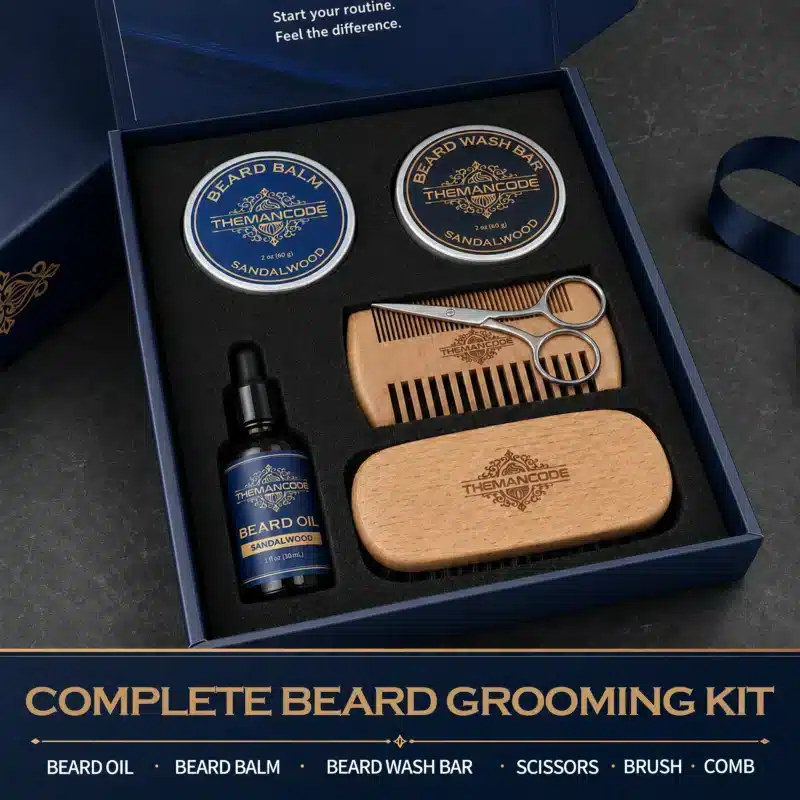
A beard oil can be an effective first SKU, but a durable beard care brand usually needs a clearer system. Cleansing removes buildup without leaving facial hair brittle. Conditioning improves softness and combability. Oils and balms support the skin beneath the beard while shaping the visible finish. Waxes, filling pens and grooming tools solve more specific styling needs. Sets then turn those related jobs into a convenient routine and a higher-value purchase.
BunJoin helps brands translate that routine into manufacturable products. Formula texture, scent strength, ingredient direction, pack size, closure choice, label space, kit configuration, target price and destination requirements are considered together. This makes it easier to protect the customer experience as the range grows from one product into several coordinated beard grooming solutions.
Define whether the product cleans, softens, moisturizes, styles, fills or packages several jobs into one routine.
Coordinate wash, conditioner, oil, balm and wax so customers can layer products without sensory conflict.
Use pack sizes, component quantities and kit architecture that support the intended channel and growth stage.
A useful assortment follows the customer from cleansing through conditioning and daily treatment to styling. That sequence helps define formula compatibility, cross-sell logic and which products belong in a kit.
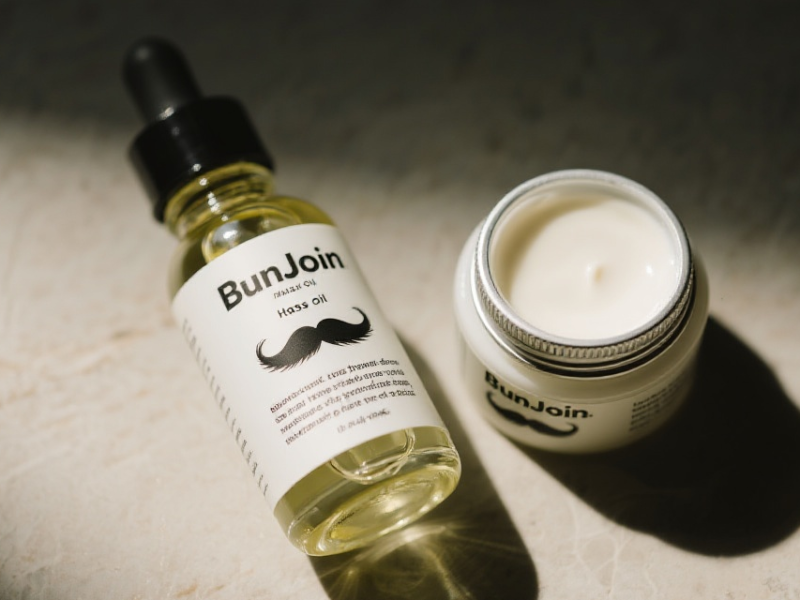
Beard wash removes sweat, oil, odor and styling residue while respecting the facial skin and avoiding an overly stripped after-feel.
Conditioner improves slip, softness and manageability for coarse facial hair and prepares the beard for brushing or combing.
Beard oil and balm support moisture, reduce a dry or rough feel and create the signature texture and fragrance of the line.
Wax, balm, grooming tools and filling pens provide hold, definition, shape or a fuller-looking finish for specific routines.
Sets and kits combine compatible steps around a use case, gift moment, price point or marketplace offer without duplicating product roles.
The right first range depends on customer awareness, channel economics, available content, working capital and the strength of the product promise.

Best when the brand has a specific promise and needs a simple launch story.

Best when the brand wants routine logic, cross-selling and stronger repeat purchase.

Best for gifting, marketplace differentiation and a higher perceived-value offer.
Use this category as a portfolio map. Each product page focuses on the formula role, packaging route, customization questions and commercial use case for that specific beard care format.
Build the repeat-use foundation: cleanse gently, soften coarse hair, replenish moisture and create a controlled finish.

Develop a beard-specific cleanser around foam profile, rinse feel, skin comfort, fragrance and daily or weekly use positioning.
Discuss Beard Wash Development
Create rinse-off or conditioning directions that improve slip, manageability and the feel of coarse beard hair without heavy residue.
Explore Beard ConditionerBalance carrier oils, absorption, shine, scent and skin feel for a recognizable daily treatment and an accessible first SKU.
Explore Beard Oil
Coordinate waxes, butters and oils to deliver conditioning, spreadability, shape and a finish that complements the beard oil.
Explore Beard BalmTurn compatible products into a clear routine, trial offer, gift item or higher-value marketplace bundle.
Combine treatment, styling and tools in a presentation-ready system designed for gifting and premium value.

Build a care-focused kit around healthier-looking, conditioned and fuller-feeling facial hair.

Use trial formats to introduce textures, scents and routine steps with lower purchase friction.

Pair lightweight moisture with richer conditioning and control under one scent identity.
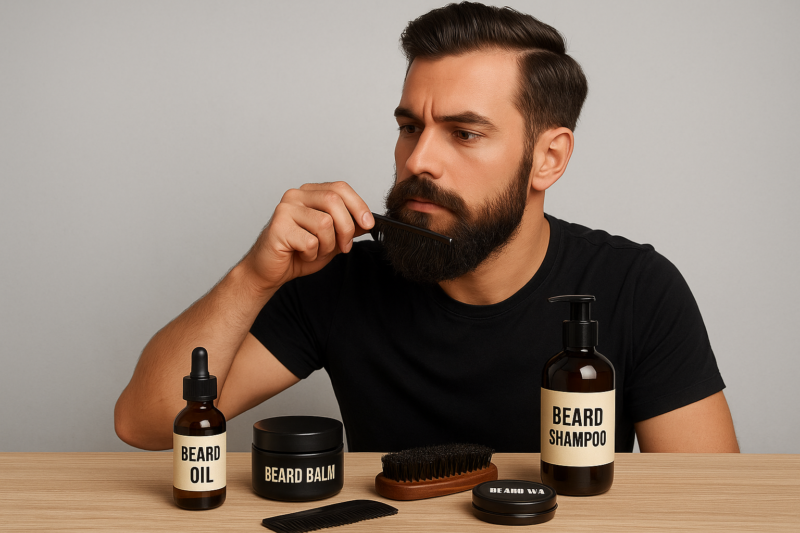
Coordinate cleansing and after-feel so the two products perform as a deliberate wash-day system.
Add focused solutions for shape, hold, edge control and a fuller-looking visual result.
Control firmness, pickup, application, heat stability and finish for targeted shaping without excessive flaking or drag.
Plan shade direction, applicator precision, transfer resistance, removal and tutorial-ready packaging for a more defined appearance.
Two products can share ingredients yet feel completely different in use. Product role, texture, application method and packaging must support the same promise.


| Product Type | Primary Job | Key Development Variables | Common Packaging Direction | Natural Pairing |
|---|---|---|---|---|
| Beard Wash | Remove buildup and odor | Surfactant system, foam, rinse, after-feel | Pump, tube or squeeze bottle | Beard conditioner |
| Beard Conditioner | Improve softness and slip | Richness, detangling, residue, rinse profile | Tube or pump bottle | Wash and conditioner set |
| Beard Oil | Moisturize beard and skin | Oil blend, absorption, shine, scent load | Dropper or reducer bottle | Beard balm |
| Beard Balm | Condition with light control | Wax-to-butter ratio, pickup, melt and hold | Metal tin or jar | Oil and balm kit |
| Mustache Wax | Provide detailed shaping | Firmness, tack, heat behavior and finish | Small tin or stick | Complete grooming kit |
| Beard Filling Pen | Create visual definition | Shade, applicator, dry time, transfer and removal | Dual-tip or precision pen | Styling sampler |
“Beard care” is too broad to be a useful development brief. A stronger line begins with the problem customers recognize, then connects cleansing, conditioning, treatment and styling formats around that problem.

Coordinate a mild wash, skin-compatible oil and conditioning format so cleansing does not work against comfort.
Build softness and slip through conditioner, beard oil and balm, then define the sensory finish from light to rich.
Balance effective cleansing with a routine frequency appropriate for facial hair and the skin beneath it.
Combine grooming support, styling control and cosmetic definition without blurring the role of each product.
Match balm or wax hold, spreadability and finish to beard length, climate and the desired grooming style.
Use kits, clear product naming and simple step order to help first-time buyers understand what to use and when.

A coherent beard care range shares a point of view. That may come from a restrained woody scent, a fast-absorbing finish, skin-comfort positioning or a premium botanical story. The formulas should express that point of view while still performing their individual jobs.
Pack architecture can help one formula serve different commercial roles. Trial sizes reduce entry friction. Standard singles support repeat use. Coordinated pairs create an obvious next purchase. Complete kits add tools, presentation and gifting value. The ladder should be planned early because fill size, component MOQ, decoration and carton design all affect economics.

A strong sample is only one part of a launchable beard care product. The approved experience must translate into components, artwork, production controls, packing and a credible reorder path.
Confirm customer, beard concern, channel, benchmark, target price and product role.
Select a proven route or create samples around texture, scent, ingredients and performance.
Review sensory fit, pack compatibility, stability needs and customer-use instructions.
Confirm specifications, label inputs, artwork, component quantities and production files.
Coordinate materials, batching, filling, assembly, quality checks and kit packing.
Prepare finished goods, cartons, documents and destination handover for the approved order.
A startup, an Amazon seller and an established men’s brand may choose similar formulas, but they face different review, inventory, content and portfolio risks. The assortment should fit the operator as well as the end customer.
These current BunJoin resources explain beard routine architecture, OBM manufacturing decisions and documentation responsibilities.
Understand the roles of wash, balm, oil and extension products before deciding which SKUs belong in the first range.
Read The Beard Care System GuideReview formulation, packaging, manufacturing, quality and supply-chain questions that matter beyond the first sample.
Read The Manufacturer GuideClarify how the brand, manufacturer and supporting partners coordinate product information and U.S. launch preparation.
Review The MoCRA GuideBeard oil is a common entry because the product role is familiar and the routine is simple to explain. However, the best first SKU depends on the audience, channel, benchmark and brand promise. A wash, balm, two-step set or differentiated kit may create a stronger position when it solves a more specific customer problem.
Yes. A complete kit can combine compatible products such as wash, oil, balm or wax with tools and presentation packaging. The project should define each product role, scent relationship, pack size, component source, insert requirements and kit assembly plan before production.
Customization may include carrier oils, butters, wax structure, botanical direction, scent, absorption, shine, firmness, pickup and finish. The available route depends on the benchmark, target claims, packaging, destination market, testing needs and commercial quantity.
A beard wash is developed for facial hair and the skin beneath it. The brief should consider cleansing strength, foam, rinse profile, frequency of use, post-wash softness and skin comfort rather than simply adapting a scalp shampoo without evaluation.
Yes, but the fragrance level may need to change across formats. A rinse-off wash, leave-on oil and wax have different bases and exposure patterns. The goal is a recognizable scent family with an appropriate intensity and character in each product.
MOQ depends on formula route, raw materials, bottle or jar quantities, decoration, filling setup, carton printing, tool sourcing and kit assembly. A kit is governed by the component with the least flexible quantity, so all parts should be reviewed together.
The validation plan depends on product type and destination requirements. It may include formula review, stability or compatibility considerations, packaging checks, specifications, in-process controls, finished-product review and retained sample or traceability procedures.
Yes. A strong first specification and shared sensory architecture make it easier to add complementary products, new scents, gift sets or size variants. Expansion should use real reorder behavior, customer feedback and channel data rather than adding SKUs without a defined role.

Share the customer, channel, benchmark products, desired routine, price position and launch timing. BunJoin will help identify the most practical product, formula, packaging and kit path.
A useful first brief includes the target customer, sales channel, benchmark products, scent direction, estimated quantity, target markets and launch timing.