Why Quality Control Matters in Men’s Skincare OEM Manufacturing
Quality means everything in men’s grooming products—especially as customers become more conscious of safety, ingredients, and long-term skin benefits. Whether it’s a facial wash, beard oil, moisturizer, or anti-aging serum, every product must meet strict standards from formula development to final shipment.
An effective OEM quality control system ensures that each batch of skincare performs consistently, remains safe for consumers, and follows global regulations. For brands working with an OEM manufacturer, understanding these processes helps build confidence, reduce risks, and guarantee stable product quality.
1. Raw Material Selection & Incoming Quality Inspection
The QC journey begins long before production starts.
Strict Material Sourcing
High-quality men’s skincare relies on premium plant extracts, stable actives, and skin-safe oils. All raw materials are sourced from audited suppliers with verified certificates such as COA, MSDS, and allergen reports.
IQC – Incoming Quality Control
Every incoming ingredient goes through testing before being released to production:
-
Appearance and purity check
-
pH, moisture, and stability tests
-
Microbial examination
-
Verification against COA
-
Safety compliance check
Only raw materials that pass IQC are allowed into the formula blending stage, ensuring the product foundation is clean, safe, and effective.
2. Formula Stability & Compatibility Testing
Before mass production, the R&D team performs multiple evaluations to confirm that the formula performs well over time.
Key Tests Include:
-
Stability testing: heat/cold cycles, light exposure, and long-term storage simulations
-
Compatibility tests: ensuring formulas do not react with packaging materials
-
Microbial challenge testing: confirming preservatives can protect the formula
-
Viscosity, color, fragrance, and pH monitoring
These tests ensure the product remains stable, safe, and effective—even after long transport or in various climates.
3. In-Process Quality Control (IPQC) During Production
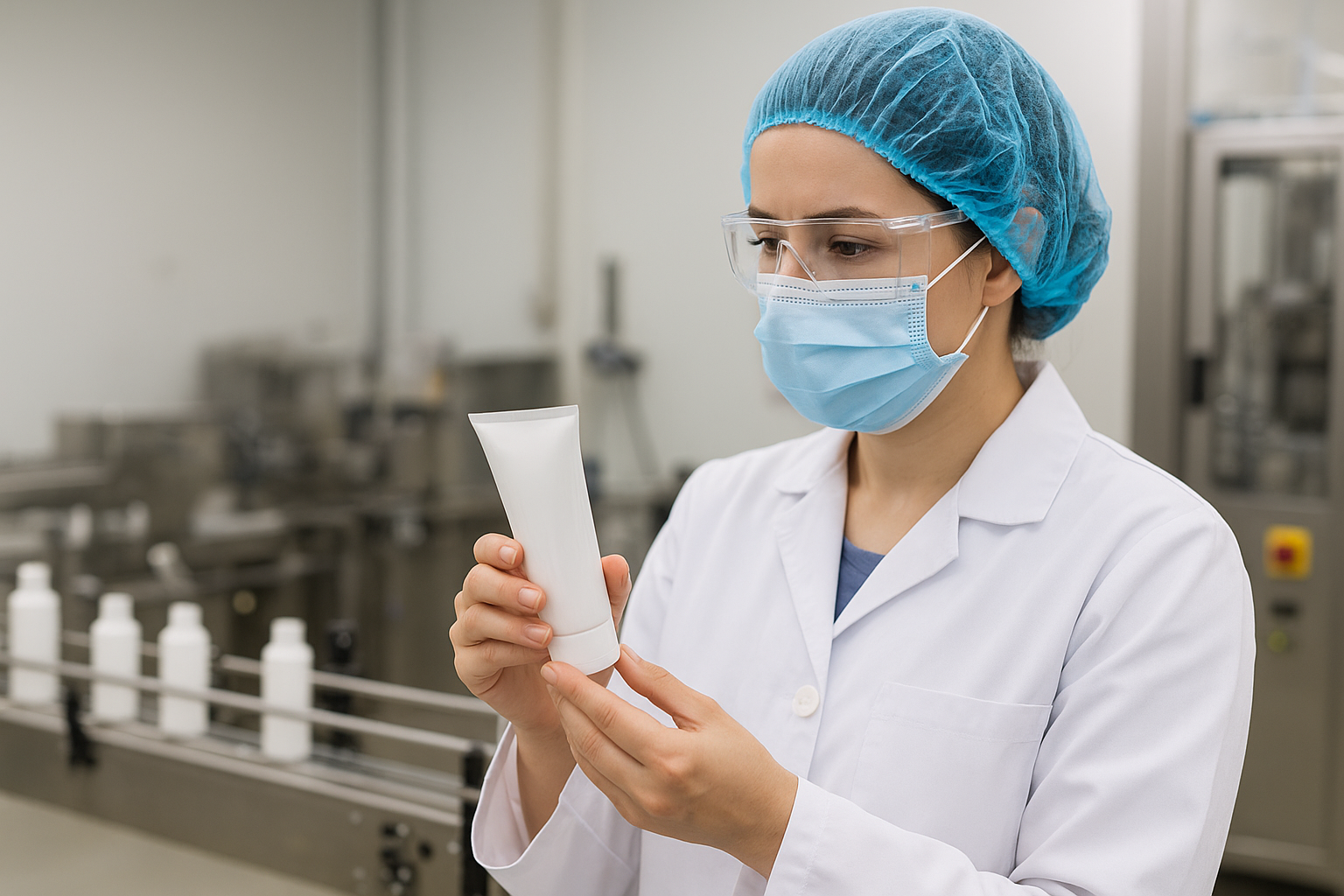
Once the formula is approved, production begins under a controlled environment.
Manufacturing QC includes:
-
Monitoring mixing temperature and blending speed
-
Ensuring active ingredients are added at the correct stage
-
Real-time viscosity and texture checks
-
pH and density measurement
-
Microbiological spot checks
Every batch has full records, allowing complete traceability. This minimizes batch variation and ensures every bottle or tube performs like the sample.
4. Filling & Packaging Inspection
Men’s skincare products must not only perform well—they must look consistent and professional.
Filling Line QC
-
Accurate filling volume control
-
Air bubble reduction for creams and serums
-
Bottle/tube sealing strength check
-
Pump functionality test
Packaging QC
-
Printing accuracy
-
Label alignment and adhesion
-
Scratch, dent, and leakage inspection
-
Box quality and weight check
These steps ensure products remain visually appealing and secure during logistics.
5. Final Product Testing & Pre-Shipment Inspection
Before shipment, every batch undergoes final testing based on international quality standards.
FQC – Final Quality Control
-
Full microbial test
-
pH & stability verification
-
Sensory evaluation (texture, smell, absorption)
-
Packaging durability tests
Pre-Shipment Inspection Checklist:
-
Random sampling based on AQL standards
-
Packaging integrity
-
Barcode and labeling verification
-
Leakage and drop test
-
Outer carton strength
Only products that pass 100% of the checkpoints are released for shipment.
6. Document Support & Traceability
Each order is backed by complete documentation to ensure transparency and compliance:
-
Certificate of Analysis (COA)
-
MSDS (Material Safety Data Sheet)
-
Ingredient list (INCI format)
-
Batch records
-
Production photos/videos (optional)
This documentation strengthens brand trust and ensures regulatory alignment with markets like the USA, Europe, and the Middle East.
7. Continuous Improvement & Customer Feedback Integration
Quality control doesn’t end after shipment. Leading OEM manufacturers maintain ongoing evaluation systems:
-
Performance monitoring of long-term clients’ products
-
Customer feedback analysis
-
Regular audits
-
Formula optimization when raw materials or regulations change
This ensures men’s grooming products remain updated, safe, and competitive in the market.
Conclusion: A Strong QC System Builds Confidence and Better Products
OEM manufacturing for men’s skincare requires precision, traceability, and strict quality control. From raw materials to pre-shipment inspection, every stage is designed to guarantee safe, high-performing, and consistent products. A strong QC system not only improves product reliability but also builds customer trust—essential for any brand looking to grow in the competitive men’s grooming market.