How to Read a Cosmetic INCI List: A Complete Guide from Beginner to Pro (Men’s Grooming Edition)
Introduction: Why INCI Lists Matter in Men’s Skincare
If you’ve ever flipped a men’s face wash, beard oil, or moisturizer bottle and felt confused by a long list of unfamiliar chemical names, you’re not alone. That list is called the INCI list, and learning how to read it is one of the most important skills for anyone involved in men’s grooming—whether you are a brand owner, product developer, or informed consumer.
In today’s market, transparency and clean beauty are no longer optional. Understanding cosmetic ingredients helps you evaluate product safety, performance, and compliance with international regulations. In this guide, we’ll walk you through how to read an INCI list—from basic rules to professional-level insights—specifically tailored to men’s skincare and grooming products.
What Is an INCI List?
INCI stands for International Nomenclature of Cosmetic Ingredients. It is a globally recognized naming system used to standardize ingredient labeling across markets such as the EU, UK, US, and many parts of Asia.
Every cosmetic product—whether it’s a beard balm, shaving cream, or facial serum—must list its ingredients using INCI names to ensure transparency and regulatory compliance.
Why INCI exists:
-
Ensures consistency across international markets
-
Helps regulators assess safety
-
Allows consumers to identify ingredients accurately
INCI Ordering Rules: How Ingredients Are Ranked
Understanding INCI order is the foundation of reading any cosmetic label.
1. Ingredients Above 1%
-
Listed in descending order of concentration
-
The first 3–5 ingredients usually make up the majority of the formula
-
In men’s skincare, this often includes water, surfactants, or carrier oils
2. Ingredients Below 1%
-
Can be listed in any order
-
Typically includes preservatives, fragrances, colorants, and active ingredients
3. Colorants
-
Listed at the end using CI numbers (e.g., CI 77491)
Pro tip: If a “hero ingredient” is listed near the bottom, its actual concentration may be very low.
Common INCI Ingredients in Men’s Grooming Products
Here are some of the most frequently seen ingredient types in men’s personal care:
Cleansers & Shampoos
-
Aqua (Water) – Base solvent
-
Sodium Cocoyl Isethionate / Cocamidopropyl Betaine – Mild surfactants
-
Glycerin – Humectant for hydration
Moisturizers & Serums
-
Niacinamide – Oil control, barrier repair
-
Hyaluronic Acid (Sodium Hyaluronate) – Hydration
-
Panthenol – Soothing and repair
Beard Oils & Balms
-
Argania Spinosa Kernel Oil (Argan Oil)
-
Simmondsia Chinensis (Jojoba) Seed Oil
-
Tocopherol (Vitamin E)
Natural vs. Synthetic: How to Interpret Ingredient Names
One common misconception is that “natural” always means safer. INCI names can help clarify this.
-
Latin names usually indicate plant-derived ingredients
-
Example: Aloe Barbadensis Leaf Juice
-
-
Chemical names may still be safe and well-studied
-
Example: Phenoxyethanol
-
In professional formulations, safety and stability matter more than origin. Many synthetic ingredients are used because they are:
-
More stable
-
More predictable
-
Approved by global regulators
How to Identify a Safe Cosmetic Formula
When evaluating a men’s skincare INCI list, focus on regulatory approval and concentration, not fear-based marketing.
Key Safety Indicators
-
Ingredients approved by EU Cosmetic Regulation (EC No. 1223/2009)
-
Usage within permitted concentration limits
-
Clear preservation system
Watch For (Context Matters)
-
Essential oils (may irritate sensitive skin if overused)
-
Fragrance (Parfum) (acceptable but should be properly dosed)
Important: The presence of an ingredient alone does not determine safety—dose and formulation design do.
Clean Beauty and INCI: What Does It Really Mean?
“Clean beauty” is not a legal term, but INCI lists can still help assess whether a product aligns with clean-label expectations.
Typical clean beauty preferences:
-
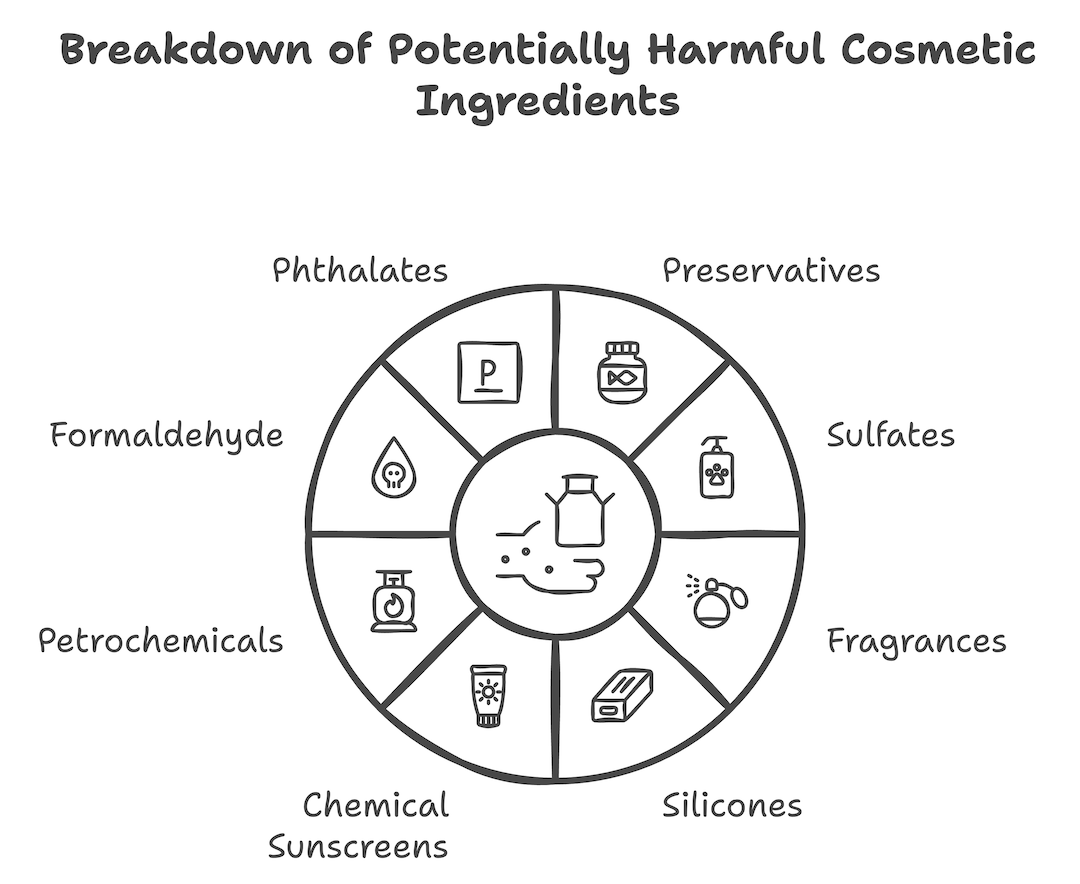
No parabens
-
No phthalates
-
Transparent ingredient disclosure
-
Minimal allergens
For men’s grooming brands, clean beauty often focuses on:
-
Skin tolerance after shaving
-
Oil control without harsh stripping
-
Long-term barrier health
INCI Lists for OEM & Private Label Brands
If you are sourcing products from a factory or OEM partner, reading INCI lists is essential.
Why Brand Owners Should Review INCI Carefully
-
Ensures market compliance (EU / UK / US)
-
Aligns formula with brand positioning
-
Avoids restricted ingredients
Professional manufacturers will also provide:
-
Full INCI list
-
MSDS / SDS
-
Safety assessment support
Common INCI Myths in Men’s Skincare
Myth 1: “If I can’t pronounce it, it’s unsafe”
Reality: Many safe ingredients have complex names.
Myth 2: “Natural formulas don’t need preservatives”
Reality: Any water-based product requires preservation.
Myth 3: “Shorter INCI lists are always better”
Reality: Effectiveness and stability matter more than length.
Final Thoughts: From Label Reader to Informed Expert
Learning how to read an INCI list empowers you to make smarter decisions—whether you are developing a men’s grooming brand or choosing products for personal use. Instead of relying on marketing buzzwords, INCI literacy gives you real insight into formulation quality, safety, and performance.
In the evolving men’s skincare market, transparency isn’t just a trend—it’s a competitive advantage.