In recent years, men’s grooming has rapidly evolved from basic cleansing to targeted, performance-driven care. Hair care is no longer limited to “one shampoo fits all.” Today’s male consumers demand solutions tailored to their specific hair type, scalp condition, and lifestyle.
For brands developing a men’s hair care line, understanding formulation logic — and choosing the right haircare OEM / shampoo factory — is critical. This article breaks down the core formulation strategies for shampoo, conditioner, and hair masks, with a focus on different hair needs and key production priorities from a professional OEM manufacturer’s perspective.
Understanding Men’s Hair & Scalp Needs
Before formulation begins, it’s essential to recognize how men’s hair differs from women’s:
-
Higher sebum production due to androgen activity
-
Shorter hair cycles and frequent washing
-
Common issues: oily scalp, dandruff, hair thinning, dryness from styling products
As a result, men’s hair care formulations prioritize:
-
Scalp balance
-
Effective cleansing without over-stripping
-
Lightweight conditioning
-
Strengthening and anti-hair loss support
Shampoo Formulation Strategy: Scalp-First, Performance-Driven
Shampoo is the entry product for most men’s hair care routines and the highest-volume SKU in any haircare OEM program.
Key Formulation Focus Areas
1. Surfactant System (Cleansing Power)
Men prefer a strong but non-irritating cleanse.
Common shampoo surfactant systems include:
-
Amino acid surfactants (Sodium Cocoyl Glutamate) – gentle, premium positioning
-
APG surfactants – plant-derived, eco-friendly
-
SLES-based blends – effective cleansing with cost control
Factory priority: balancing foam, cleansing efficiency, and scalp tolerance.
2. Scalp Care Actives
For men, scalp health equals hair health.
Popular ingredients:
-
Zinc PCA – oil control & anti-dandruff
-
Piroctone Olamine – dandruff management
-
Salicylic Acid – scalp exfoliation
-
Tea Tree Oil / Menthol – refreshing, masculine sensory
3. Anti-Hair Loss Positioning
While regulated claims must be handled carefully, supportive ingredients are common:
-
Caffeine
-
Biotin
-
Niacinamide
-
Peptides
OEM focus: ingredient stability, claim compliance, and rinse-off efficacy.
Conditioner Formulation Strategy: Lightweight, No Greasy Feel
Many men skip conditioner due to fear of greasiness. Successful conditioner formulation solves this objection.
Conditioner Design Logic
1. Lightweight Conditioning Agents
Preferred ingredients include:
-
Behentrimonium Methosulfate (BTMS)
-
Cetrimonium Chloride (low concentration)
-
Hydrolyzed proteins (keratin, wheat protein)
Goal: smoothness without volume loss.
2. Silicone Strategy
Modern men’s conditioners often use:
-
Water-dispersible silicones
-
Low-build-up silicone alternatives
This improves combability while maintaining a clean rinse feel.
3. Multi-Function Benefits
Conditioners can also deliver:
-
Anti-frizz
-
Strengthening
-
Heat protection (for styled hair)
OEM challenge: ensuring compatibility between conditioning agents and fragrance systems.
Hair Mask Formulation Strategy: Targeted Repair & Premium Positioning
Hair masks are no longer just for women. Men with damaged, dry, or chemically treated hair increasingly adopt weekly or bi-weekly hair treatments.
Key Hair Mask Formulation Elements
1. High-Load Nourishing Phase
Hair masks feature richer compositions:
-
Shea Butter
-
Argan Oil
-
Coconut Oil
-
Ceramides
These must be carefully emulsified to avoid heaviness.
2. Repair & Strength Actives
-
Hydrolyzed keratin
-
Amino acid complexes
-
Panthenol (Pro-Vitamin B5)
Masks often serve as the “hero” product for salon-style or premium lines.
3. Texture & Sensory Control
Men prefer:
-
Fast rinse-off
-
No residue
-
Clean, subtle fragrance
OEM production emphasis: viscosity control, stability testing, and batch consistency.
Formulation Adjustment by Hair Type
A successful men’s haircare OEM strategy adapts formulations based on hair condition:
| Hair Type | Shampoo Focus | Conditioner / Mask Focus |
|---|---|---|
| Oily Scalp | Oil control, scalp balance | Lightweight, silicone-minimal |
| Dry Hair | Mild surfactants, hydration | Rich oils, proteins |
| Thinning Hair | Scalp stimulation | Volume-friendly conditioning |
| Dandruff-Prone | Anti-fungal actives | Scalp-soothing ingredients |
This modular formulation approach allows brands to scale SKUs efficiently.
OEM Factory Production Priorities
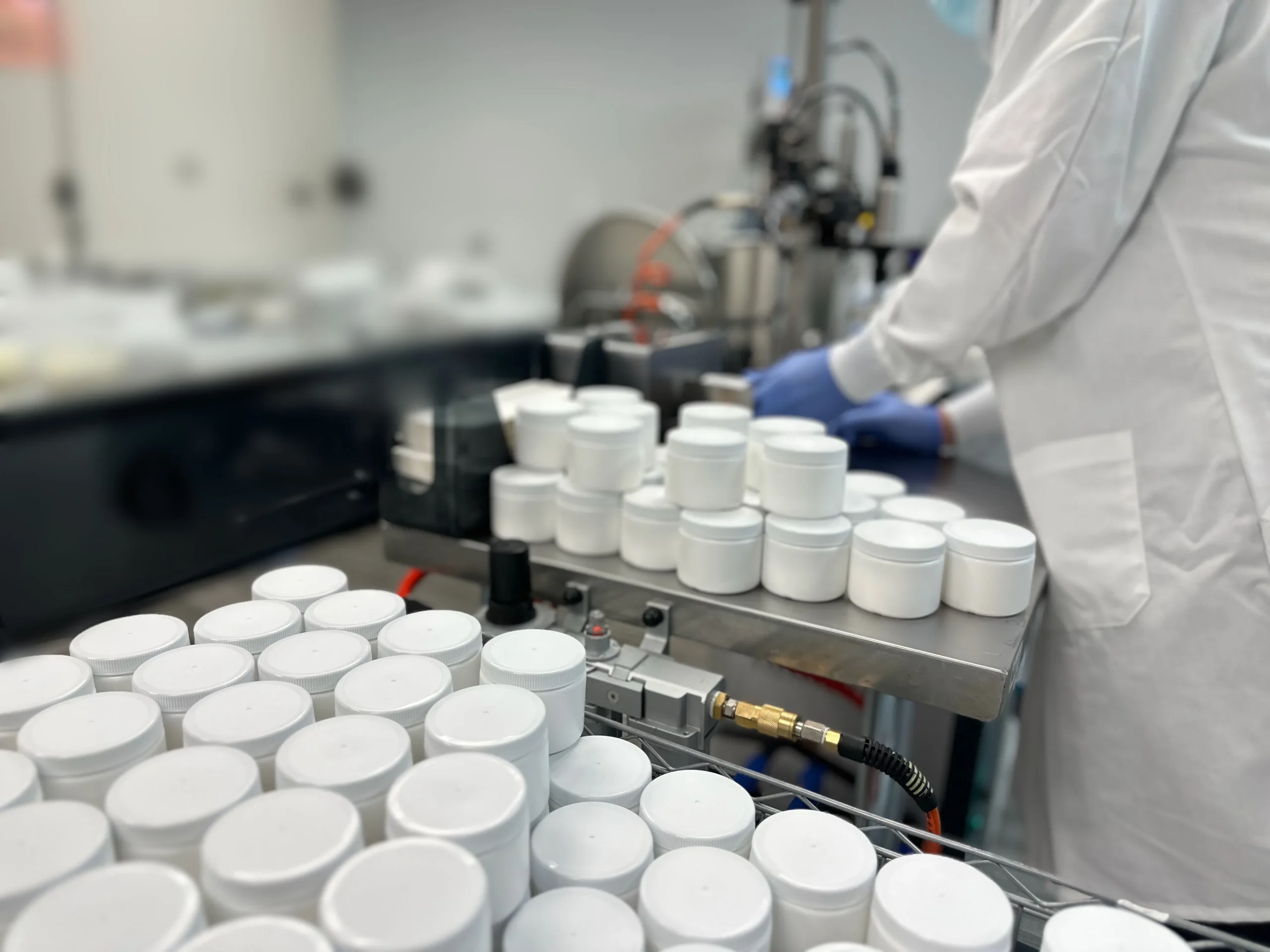
When working with a professional shampoo factory / haircare OEM, key production capabilities matter:
-
GMP / ISO-compliant manufacturing
-
Stable surfactant blending systems
-
Small-batch MOQ flexibility
-
Fragrance customization for men’s market
-
Claim documentation & ingredient compliance support
An experienced OEM partner helps brands move faster from concept to market while maintaining quality and consistency.
Building a Complete Men’s Hair Care Line
A strong product matrix typically includes:
-
Daily shampoo
-
Lightweight conditioner
-
Weekly repair mask
This encourages routine usage, increases AOV, and strengthens brand authority in men’s grooming.
Conclusion
Men’s hair care is no longer basic — it is technical, targeted, and results-driven. Developing successful shampoo, conditioner, and hair mask products requires a deep understanding of male scalp biology, formulation science, and OEM manufacturing priorities.
By partnering with a capable haircare OEM and shampoo factory, brands can deliver high-performance men’s hair care solutions that meet modern expectations while scaling efficiently in competitive markets.