2025 Men’s Skincare Boom: Why Skincare Is Overtaking Basic Shaving
For decades, men’s grooming was almost synonymous with shaving. A razor, shaving foam, and maybe an aftershave were considered more than enough. But by 2025, that mindset has fundamentally changed. Men’s skincare is no longer a niche—it’s becoming the core of the men’s grooming industry.
According to multiple global market analyses, men are spending more on skincare than on traditional shaving products, driven by evolving consumer behavior, skin health awareness, and lifestyle changes. This article explores why men’s skincare is overtaking basic shaving, what data supports this shift, and how brands can capitalize on this transformation.
From Shaving to Skincare: A Structural Shift in Men’s Grooming
Shaving Is No Longer the Center
Traditional shaving products—razors, foams, gels, and aftershaves—are largely functional. They solve a single problem: hair removal. However, shaving frequency has declined due to:
-
The popularity of beards and stubble
-
Remote work and relaxed workplace grooming norms
-
Skin sensitivity caused by frequent shaving
As a result, shaving has become occasional, while skincare is daily and preventative.
Skincare Fits Modern Male Lifestyles
Men today are more exposed to:
-
Pollution
-
Blue light from screens
-
Stress and irregular sleep
-
Aging concerns earlier than previous generations
Skincare addresses long-term skin health, not just short-term grooming. Products like cleansers, moisturizers, serums, and sunscreens are now seen as essential self-care, not luxury add-ons.
Market Data: Men’s Skincare Is Growing Faster Than Shaving
Industry data shows a clear divergence:
-
The global men’s skincare market is growing at a CAGR of 7–9%
-
The traditional shaving market is largely flat or declining in mature markets
-
Skincare now accounts for the largest revenue share within men’s grooming
Reports from market intelligence platforms such as Statista and Mintel indicate that men under 40 are twice as likely to invest in skincare products compared to a decade ago.
External reference:
-
Global men’s grooming trends – Statista
-
Men’s beauty consumer insights – Mintel
This growth is especially strong in:
-
North America
-
Western Europe
-
East Asia
-
Emerging premium segments in the Middle East
Changing Consumer Behavior: Why Men Buy Skincare Now
1. Education and Ingredient Awareness
Men are no longer buying blindly. Search trends show rapid growth in keywords like:
-
“men’s skincare routine”
-
“niacinamide for men”
-
“retinol for sensitive skin”
Consumers want ingredient transparency, skin-type solutions, and dermatologist-backed claims.
2. Influence of Social Media and Content Creators
YouTube, TikTok, and Instagram have normalized men’s skincare routines. Male influencers openly discuss:
-
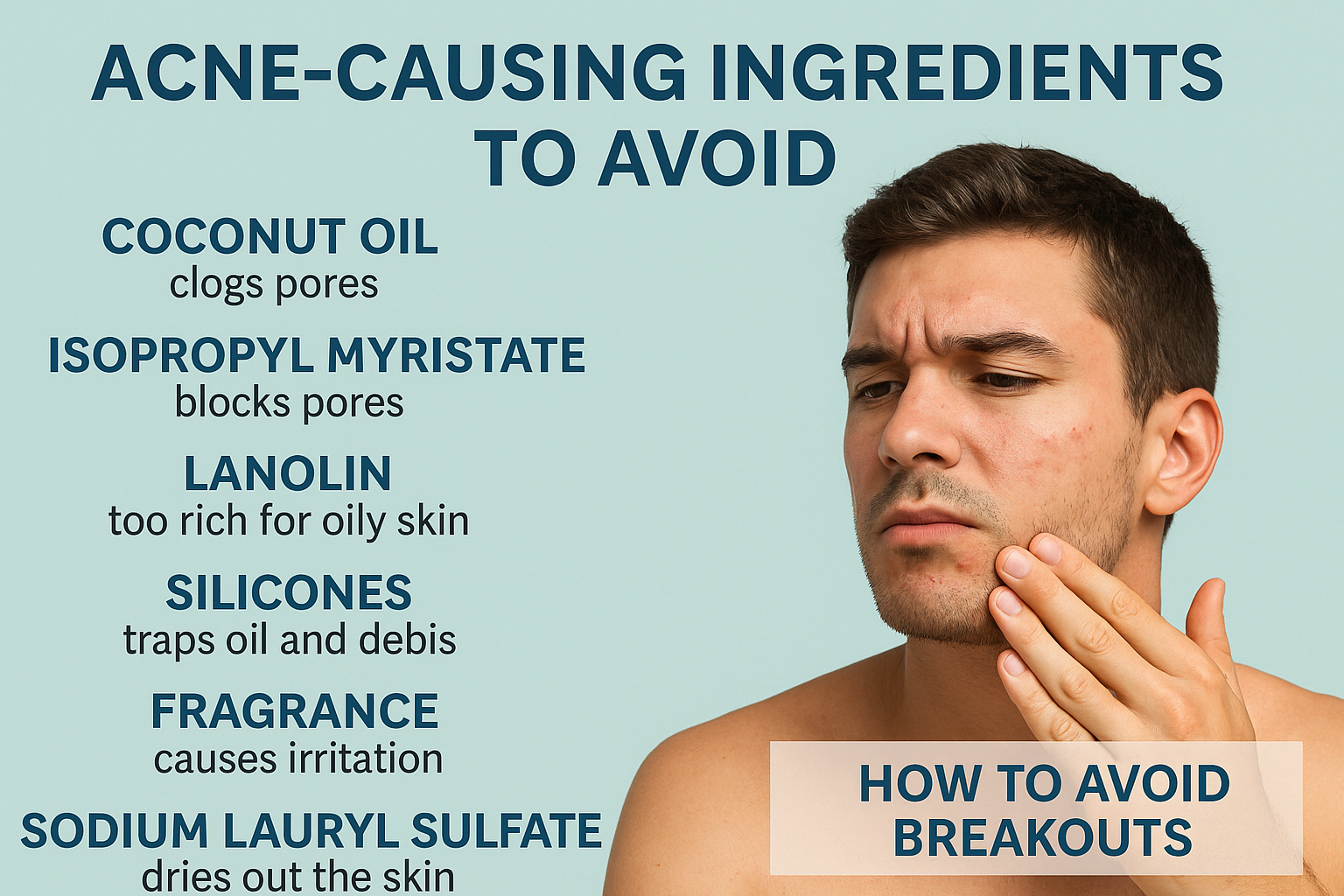
Acne
-
Aging
-
Hyperpigmentation
-
Sensitive skin
This visibility has removed stigma around skincare.
3. Skincare as Preventative Health
Men increasingly view skincare as:
-
Prevention, not correction
-
Long-term investment, not vanity
-
Part of overall wellness (alongside fitness and nutrition)
This mindset naturally shifts spending away from razors and toward skincare regimens.
Skincare vs Traditional Shaving: A Product-Level Comparison
| Category | Traditional Shaving | Men’s Skincare |
|---|---|---|
| Usage Frequency | Occasional | Daily |
| Emotional Value | Low | Medium–High |
| Repurchase Cycle | Slow | Fast |
| Price Flexibility | Low | High |
| Brand Loyalty | Weak | Strong |
From a business perspective, skincare offers:
-
Higher lifetime customer value
-
Stronger brand differentiation
-
Easier product line expansion
This is why more brands are building complete men’s skincare systems instead of focusing only on shaving.
What Products Are Driving the Men’s Skincare Boom?
The fastest-growing men’s skincare categories in 2025 include:
-
Facial cleansers (gentle, sulfate-free)
-
Moisturizers (oil-control & anti-aging)
-
Serums (vitamin C, retinol, peptides)
-
Sunscreen (daily SPF awareness rising)
-
Eye creams (fatigue and dark circles)
Many brands are partnering with experienced manufacturers like men’s skincare OEM/ODM suppliers to develop custom formulas, clean-label products, and private label lines. Platforms such as professional men’s skincare manufacturing solutions at BUNJOIN are increasingly being used by brands looking to scale quickly while maintaining quality and compliance.
The Decline of “One-Product” Grooming
The classic “all-in-one” shaving product is being replaced by step-based routines, even for men who prefer simplicity:
-
Cleanse
-
Treat
-
Moisturize
-
Protect (SPF)
Brands that communicate simple routines with visible results are winning over male consumers who want effectiveness without complexity.
Implications for Brands and OEM/ODM Buyers
For brands entering or expanding in men’s grooming:
-
Skincare should be the core, not an add-on
-
Shaving products work best as supporting categories
-
Ingredient storytelling and education are essential
-
Packaging should communicate function + trust, not decoration
OEM/ODM factories with expertise in:
-
Sensitive skin formulas
-
Men-specific textures
-
Compliance with US & EU regulations
are becoming strategic partners rather than just suppliers.
Conclusion: Skincare Is the New Foundation of Men’s Grooming
By 2025, the question is no longer “Do men need skincare?”
It’s “Which skincare brands do men trust?”
The shift from shaving to skincare reflects deeper changes in consumer behavior, self-perception, and lifestyle. Men want healthier skin, better aging outcomes, and products that fit their daily lives.
Brands that understand this evolution—and invest in high-quality, well-positioned men’s skincare—will define the next decade of the men’s grooming industry.