Curl activator adds moisture and flexible definition to an existing curl pattern. Curl cream adds conditioning, frizz control and styling support. For dry curls that need softness, start with moisture-led care. For smoother shape and more control, start with the styling cream. For curls that fall flat, pay attention to product weight as well as hold. A two-product routine combines those jobs.
For a grooming brand, the useful question is what customers want their hair to feel and look like after it dries. That choice shapes the texture, hold, application instructions and product range. This guide works through those choices, then explains how BunJoin develops them into curl-care products.
TL;DR
- Curl activator defines and refreshes curl pattern; curl cream adds moisture, hold, and control.
- Choose by hair and goal – activator for reactivation, cream for styling and moisture.
- They can be used together; turn the comparison into a product brief with BunJoin.
Curl Activator vs. Curl Cream: The Main Differences
The two names describe overlapping parts of curl care. An activator puts moisture and flexible definition first; a cream combines a conditioning texture with styling control. Neither name describes one universal recipe. A rich activator and a light cream can be closer in feel than their labels suggest.
| Question | Curl activator | Curl cream |
|---|---|---|
| What is its main job? | Soften hair and bring out the existing curl pattern | Define the shape, smooth frizz and add control |
| What is the usual product feel? | Lotion, fluid gel-cream or other moisture-led texture | Cream or richer emulsion with more body |
| What finish does it target? | Soft, flexible curls | A smoother, more controlled curl shape |
| Where does it fit in a routine? | A moisture-and-definition step, alone or before a styler | A styling step, alone or over a moisture product |
| What does a brand develop around it? | Softness, weight, curl definition and refresh use | Conditioning, hold, frizz control and finish |
Both products can offer moisture and definition. The distinction is which benefit leads the formula and the customer’s routine. Texture and weight give the brand further ways to tailor either product to its customers.
What a Curl Activator Does
A curl activator helps the hair’s existing curls group together and look more defined while keeping a soft feel. It does not permanently turn straight hair into curly hair. In a curl-care range, it serves customers who want moisture and movement without making firm hold the main selling point.
Moisture and softness
Humectants attract water, while conditioning ingredients improve softness and manageability. In development, we balance that care with the product’s weight. Fine waves need enough care to stay manageable without flattening; denser curls allow a richer conditioning feel.
Definition without a rigid finish
Definition means bringing the curl pattern into a more organized shape. It is different from holding a style firmly for hours. A brand planning an everyday activator can focus on soft definition; a customer who wants stronger control can add a styling cream or another hold product.
What Curl Cream Adds
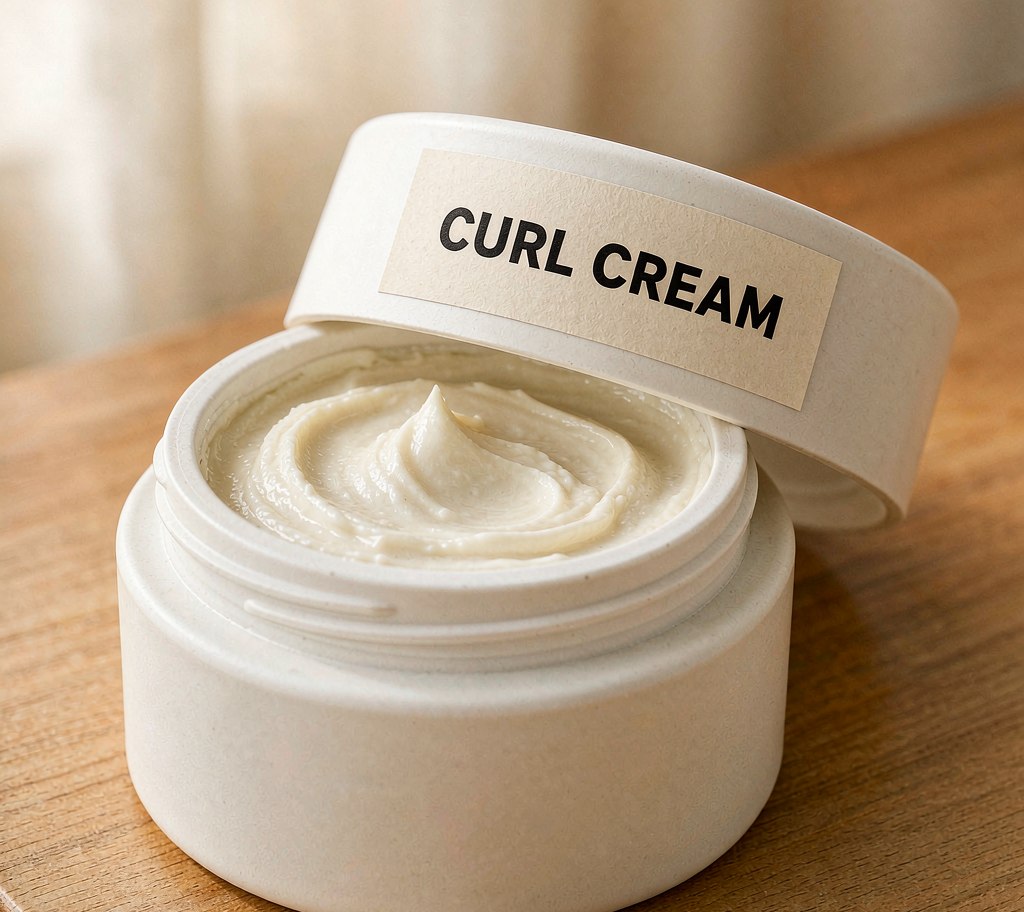
Curl cream brings conditioning and styling together. It helps smooth the hair, reduce the appearance of frizz and keep curls grouped rather than separating into flyaways. Its emulsion structure gives the product body and makes it easy to distribute through sections of hair.
Slip, richness and hold are separate choices
A rich texture does not automatically mean strong hold. Conditioning ingredients affect softness and slip; film-forming ingredients contribute styling control. We develop those parts together so a cream feels pleasant to apply and gives the finish the brand wants.
For example, a brand serving dense curls can choose a richer cream with more conditioning. A range for fine waves can use a lighter cream texture with less weight. Both are curl creams, but they answer different customer needs.

Which One Fits the Hair and the Styling Goal?
Hair density, condition and the desired finish help narrow the choice. Curl pattern alone does not tell the whole story: fine, bleached curls and thick, untreated curls need different levels of conditioning even if their shapes look similar.
| Customer need | Useful starting point | What matters most |
|---|---|---|
| Fine waves that lose volume easily | A light activator or light curl cream | Low weight, easy distribution and soft definition |
| Dry curls with little need for firm hold | A moisture-led activator | Softness, manageability and flexibility |
| Dense curls needing more smoothing and shape | A conditioning curl cream | Slip, frizz control and styling support |
| Moisture plus a more controlled finish | Activator followed by cream | Combined dose, spreading and a clear two-step routine |
For a brand launching one product, choose the customer’s main problem first. A cream is a practical starting point for a styling-led range; an activator fits a moisture-led offer. Add the second product when it has a clear role alongside the first.
How to Use Them Together
Apply a small amount to damp hair and distribute it in sections, then shape the curls with the hands. For a two-step routine, apply the moisture-led product first and follow with the styling cream. Air-dry or diffuse according to the product instructions and the finish you want.
When curls feel heavy
Start by reducing the combined amount. A leave-in, activator and cream all contribute product to the hair; using a full dose of each can leave fine hair weighed down. In formula development, we also adjust the conditioning level and texture to suit the intended hair type.
When curls are soft but lose their shape
Softness and hold come from different parts of the formula. More activator adds more product but does not necessarily add the control the customer wants. A styling cream with the right level of hold addresses that need more directly.
When products leave residue or pill together
Look at the amount applied, distribution through the hair and interaction between the products. For a paired range, BunJoin develops the products together and includes layering in sample work. This helps turn two separate formulas into a routine customers can use easily.
The American Academy of Dermatology’s curly-hair guidance also covers moisturizing and detangling. Those care steps support styling rather than replacing it.
Turning the Comparison into a Product Brief
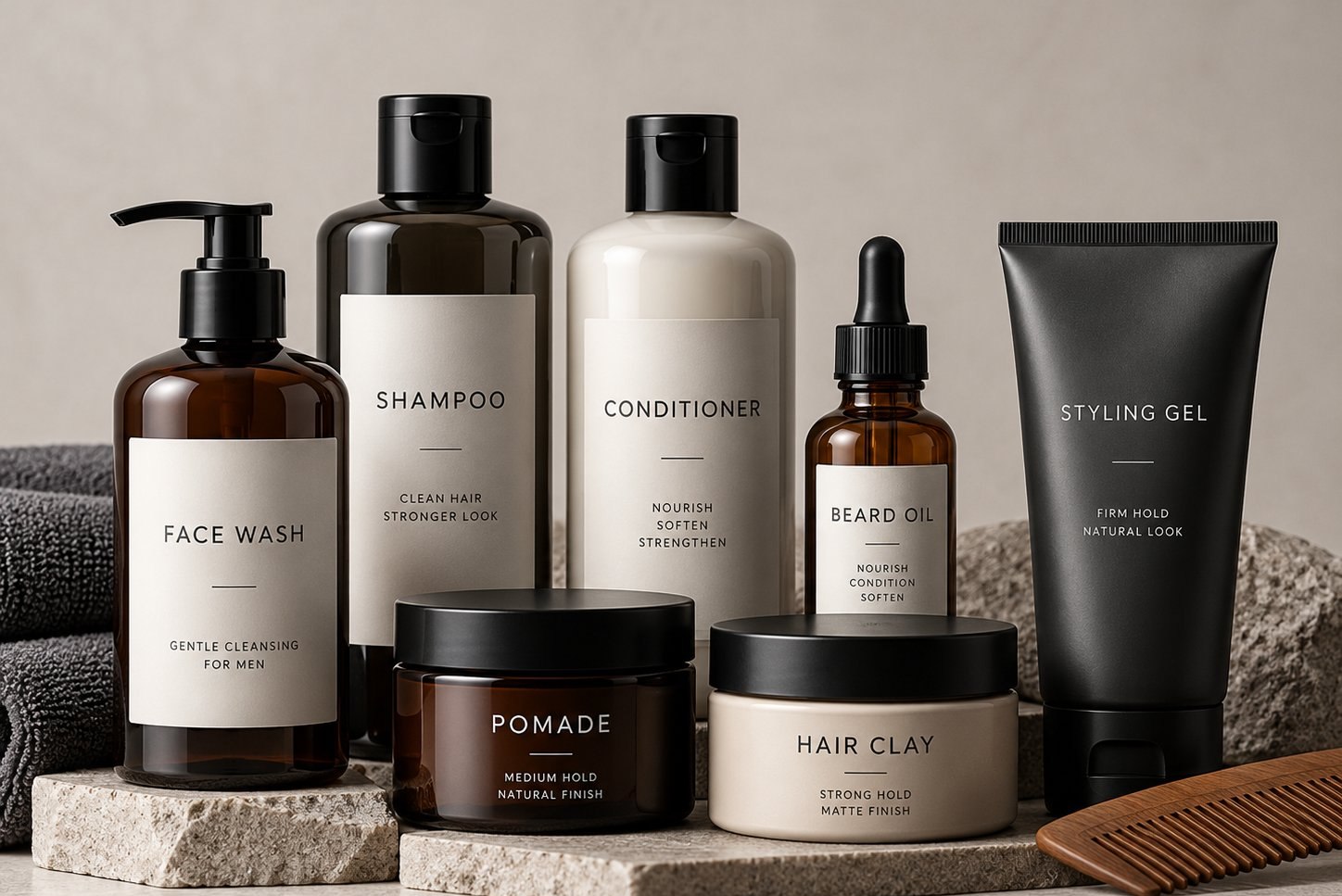
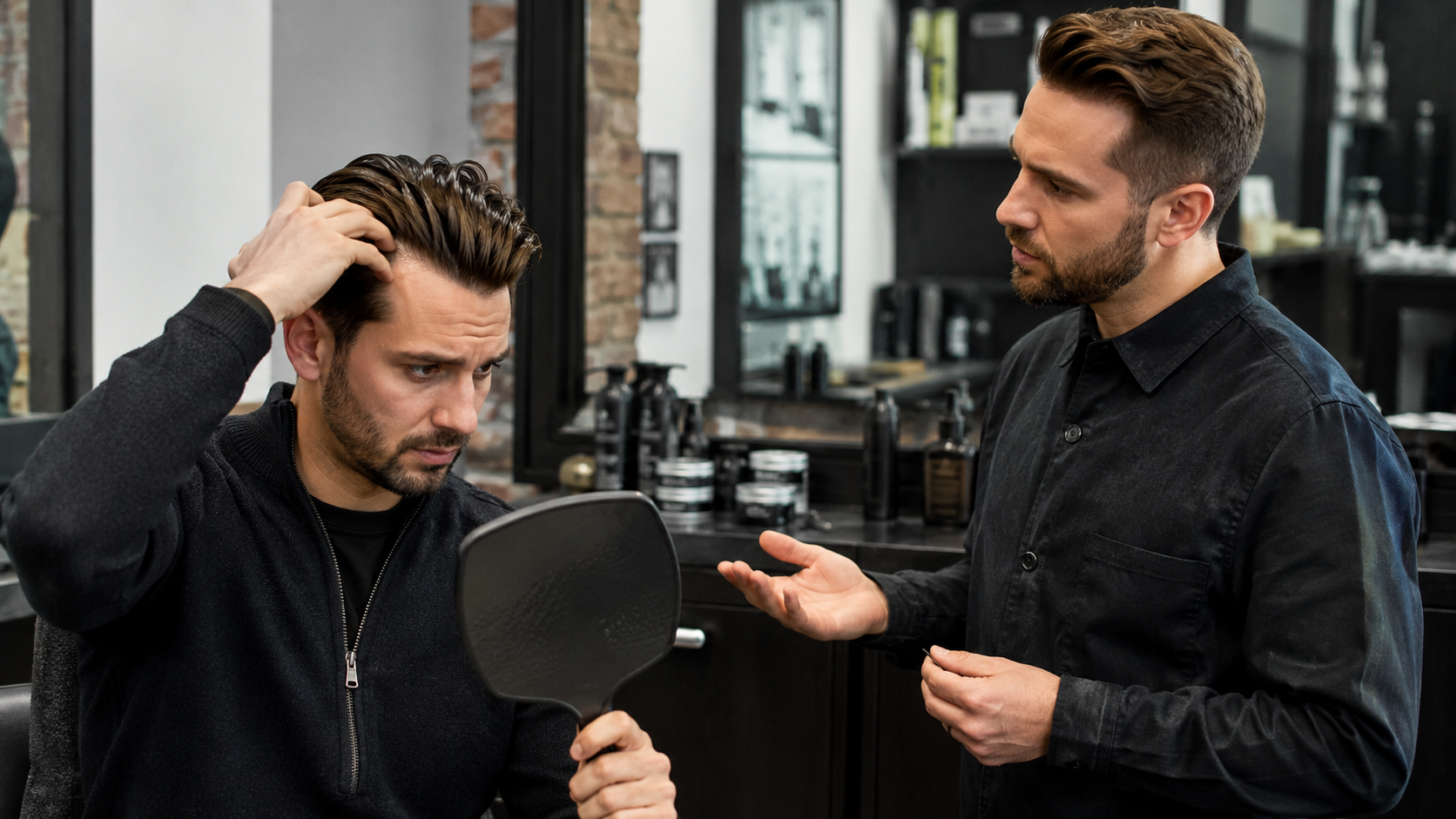
You do not need a finished formula to start. Tell us who the product is for, the result you want and a product you like. Feedback such as “less weight,” “more smoothing” or “more definition after drying” gives the development team something concrete to work with.
We develop four connected parts of the product:
- Texture and conditioning: how it spreads, the softness it leaves and how much weight it adds.
- Definition and hold: a flexible finish or more styling control.
- Fragrance: the scent for the range, including a fragrance-free direction.
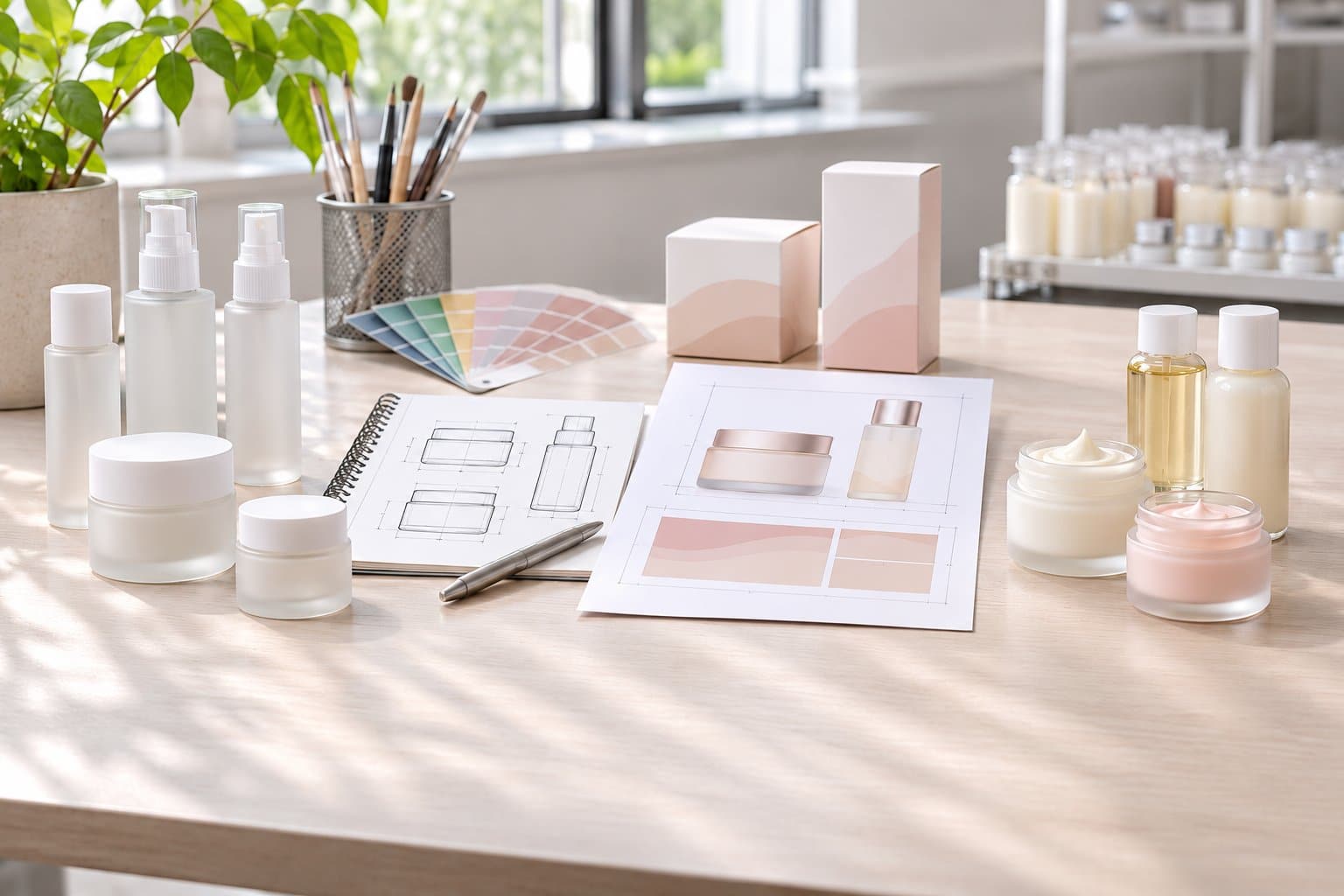
- Packaging: a jar, tube or pump matched to the texture and application.
Sampling follows how the product will be used: on the intended hair types, at a practical dose, on its own and with companion products. Our curl-care process uses two to three sample rounds, with humidity and stability work and evaluation in the chosen packaging. Your feedback shapes the changes between rounds.
Curl-Care Products from BunJoin
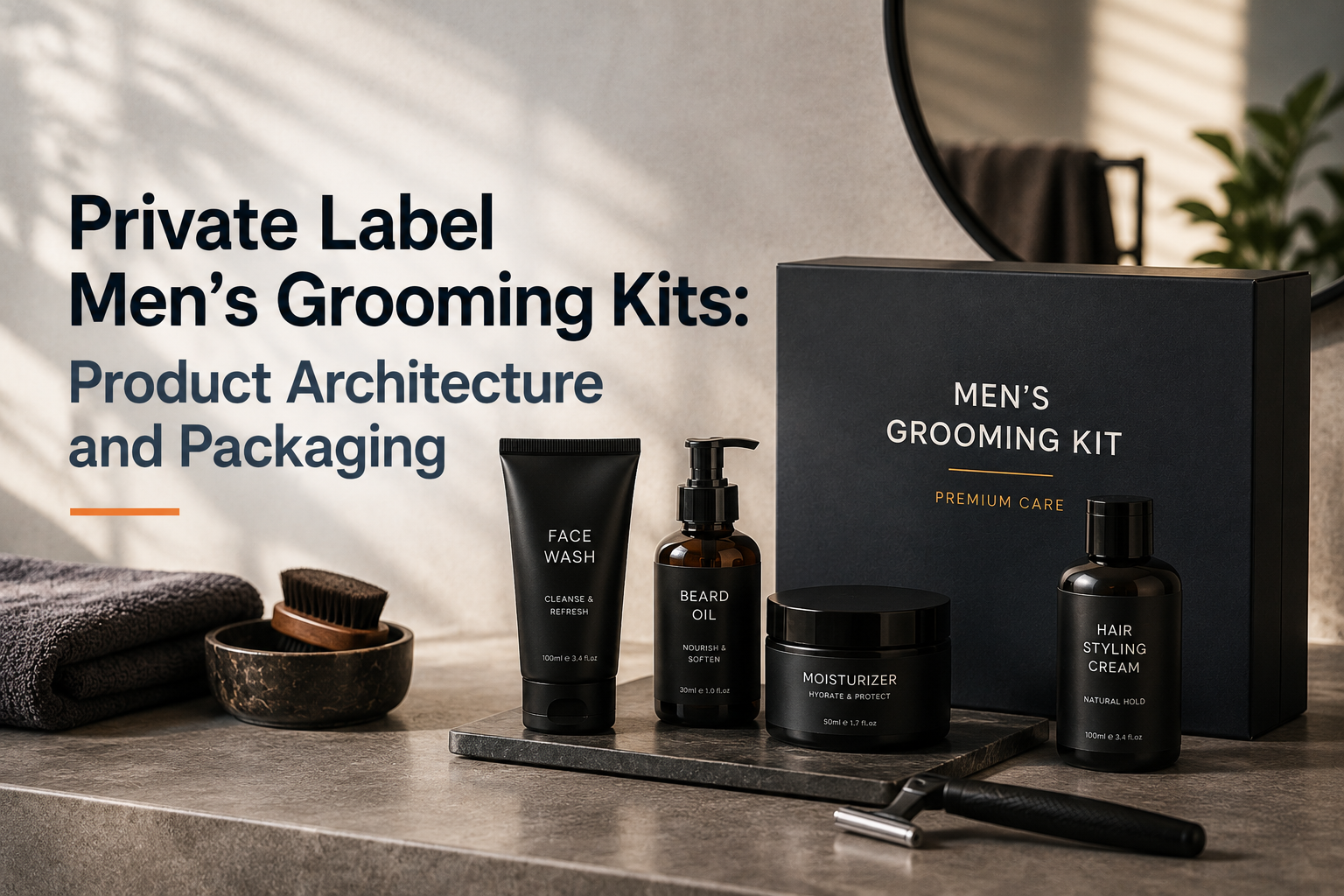
BunJoin offers men’s curl cream and care products for a fuller curl routine: a 175 ml leave-in conditioner for hydration and definition, a 236 ml moisture mist for refreshing curls, and a 283 ml deep-conditioning hair mask. Together, they cover styling, everyday care, refreshing and deeper conditioning.

Founded in Guangzhou in 2013, BunJoin handles formula and packaging development, production coordination, quality control and logistics. For suitable projects, starting quantities are approximately 1,000–2,000 pieces; the project MOQ reflects the formula, packaging and decoration.
Ask us about curl-care samples and a quotation. Send your target customer, benchmark, preferred packaging and planned quantity. We will recommend a product and packaging plan. For the wider range, see our men’s hair styling guide and ODM development process.
Frequently Asked Questions
What does a curl activator do?
It moisturizes the hair and helps define an existing curl pattern with a flexible feel. It enhances curls; it is not a permanent curling treatment.
Is curl cream the same as leave-in conditioner?
A leave-in conditioner focuses on conditioning and manageability. A curl cream adds a styling role, including shaping, smoothing and hold. A cream with enough conditioning can cover both jobs in a simple routine.
Can I use an activator and curl cream together?
Yes. Apply the activator for the moisture step, then the cream for styling control. Start with smaller amounts of both so the combined application does not weigh the hair down.
Which one should a brand launch first?
Launch the cream first if the main promise is styling and frizz control. Start with an activator if the range is built around moisture and soft definition. BunJoin develops the texture and packaging around that choice.
Frequently asked questions
What is the typical MOQ for private label hair styling products?
Wax, clay, spray and cream usually start at 1,000–5,000 units per SKU depending on format and packaging.
Can you customize hold, finish and fragrance?
Yes — we tune hold, matte versus shine finish, wash-out and scent to your brief, then verify with samples.
How long does hair product production take?
Samples 1–3 weeks, production 3–6 weeks after approval, plus shipping.