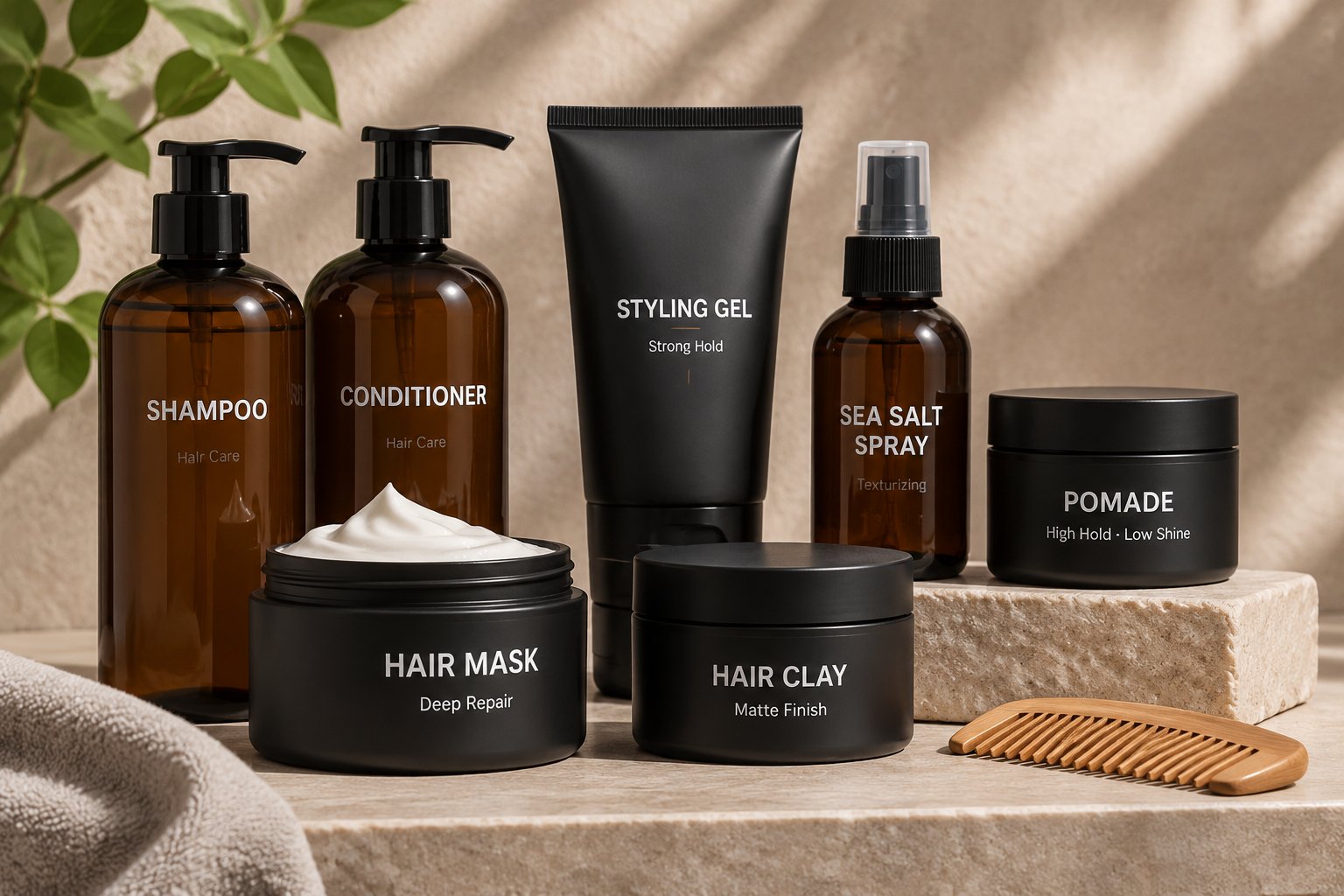
Shaving cream is one of the few products that touches a razor, the skin, and the hair at the same time, which makes it worth using correctly. Water alone may let a blade pass over the face, but a well-formulated cream softens stubble, cushions the skin, and helps the razor glide instead of drag. Used the right way, it turns an everyday task into a smoother, more comfortable experience.
TL;DR
- Shaving cream cushions the blade and reduces friction; choose by skin type (sensitive, oily, dry).
- Shaving cream vs gel vs soap differ in lubrication, rinse, and skin feel – pick for the user’s routine.
- Avoid common shaving mistakes (no prep, dull blade, no aftercare); develop with BUNJOIN.
Why Use Shaving Cream?
Water alone may allow a razor to pass over the skin, but a well-formulated shaving cream provides several additional benefits.
- Softens facial hair: A rich cream helps soften coarse stubble so the blade can move with less pulling.
- Protects the skin: It creates a protective layer between the razor and the face, helping reduce nicks, cuts, and razor burn.
- Soothes and hydrates: Ingredients such as aloe vera, glycerin, and calming botanicals can nourish the skin during shaving.
- Improves the experience: A fresh masculine scent can make the shaving routine feel more refined.
For formulators, these benefits translate into specific ingredient choices, from humectants such as glycerin to soothing botanicals that have been assessed by reviewers like the Cosmetic Ingredient Review (CIR) panel.
How to Use Shaving Cream Step by Step
- Clean the face. Wash with warm water and a gentle cleanser to remove oil, sweat, and debris. Clean skin helps the blade sit closer and reduces the chance of ingrown hairs.
- Dampen the beard area. A warm towel compress for one to two minutes further softens coarse stubble and relaxes the surface of the hair.
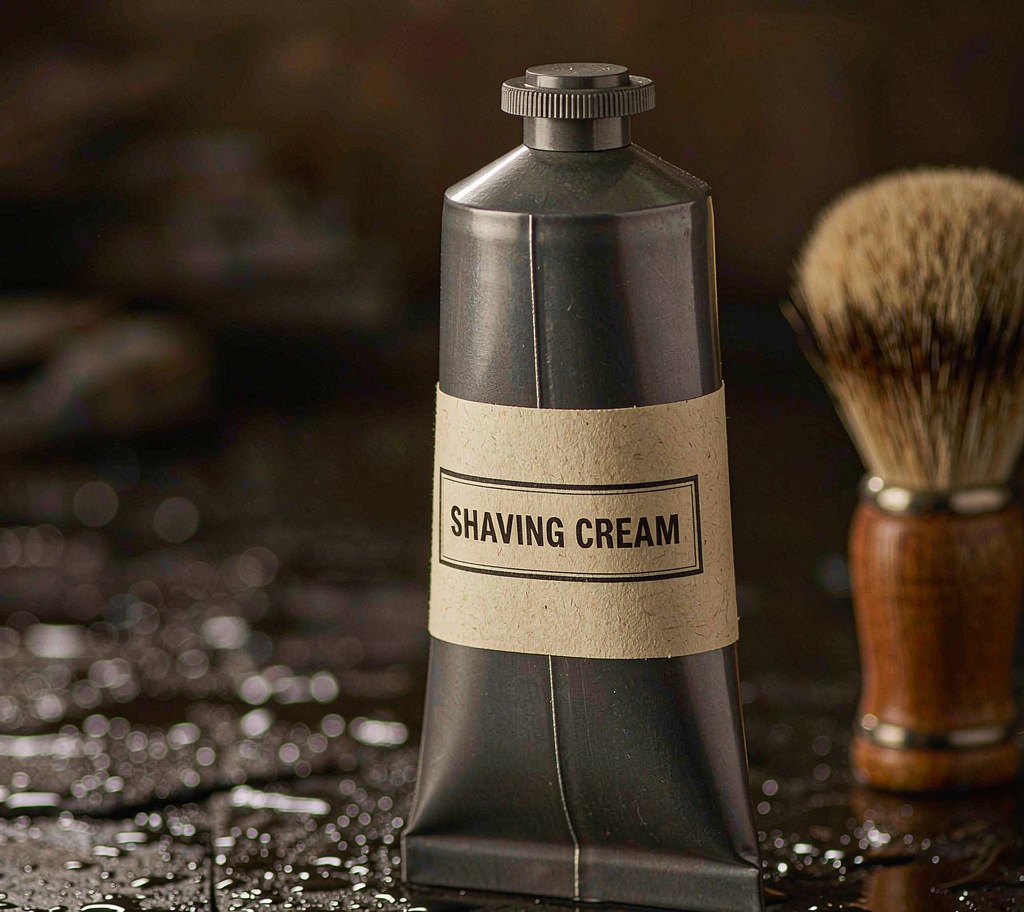
- Apply the shaving cream. Use the hands or a shaving brush and work the product into a rich, even layer. A brush can help lift the hair and carry the lather to the base of the beard.
- Shave with the grain. Move the razor in the direction of hair growth to reduce pulling and irritation. Rinse the blade between passes so it stays clear.
- Rinse and finish. Rinse with cool water, pat the skin dry, then apply an aftershave balm or moisturizer to restore comfort.

Choosing Shaving Cream for Different Skin Types
| Skin Type | What to Look For | Ingredients That Help |
|---|---|---|
| Dry | Rich, moisture-retaining texture | Glycerin, coconut oil, shea butter |
| Sensitive | Alcohol-free, fragrance-free | Aloe vera, chamomile, panthenol |
| Oily | Lightweight, non-comedogenic | Tea tree, witch hazel |
Dry Skin
Look for shaving creams containing glycerin, coconut oil, or shea butter to support moisture retention.
Sensitive Skin
Alcohol-free, fragrance-free, and naturally positioned formulas can provide a gentler shaving experience.
Oily Skin
Lightweight, non-comedogenic formulas with ingredients such as tea tree or witch hazel can suit oil-prone skin.
Shaving Cream vs. Shaving Gel vs. Shaving Soap
- Shaving cream: A whipped, airy lather with strong cushioning; the classic choice for comfort and glide.
- Shaving gel: More translucent and often cooling; makes it easy to see where the blade has already passed.
- Shaving soap: A firmer format that requires a brush and more technique; favored by traditional wet shavers.
Each format has its place, and many brands develop several of them so different user preferences are covered within one range.
Common Shaving Mistakes to Avoid
- Shaving against the grain on the first pass, which increases irritation.
- Skipping the warm-water prep, which leaves stubble stiff and harder to cut.
- Applying too thin a layer, so the blade meets skin directly.
- Using dull blades and pressing harder to compensate.
- Skipping post-shave care, which leaves freshly shaved skin exposed.
BUNJOIN Premium Shaving Cream
BUNJOIN’s shaving cream is developed for men who value both shaving performance and skin care.
- Organic coconut oil and aloe vera extract
- Dense, creamy lather for superior glide
- Alcohol-free and gentle enough for sensitive skin
- Subtle woody scent for a clean masculine finish
Like all finished cosmetics sold in the United States, it is developed with awareness of the Modernization of Cosmetics Regulation Act (MoCRA), which strengthens federal oversight of cosmetic safety and labeling.
Brands planning a broader shaving range can also review Bunjoin’s private label shaving products guide.

Conclusion
Correct use starts with clean, damp skin, an even layer of product, and shaving in the direction of hair growth. Matching the formula to the user’s skin type can further improve comfort and the overall shaving experience.
Developing Shaving Cream with BUNJOIN
BUNJOIN is a men’s grooming product development and supply chain partner founded in 2013 and based in Guangzhou, China, supplying brands in the USA, Europe and other global markets. Capabilities cover product development, formulation, packaging, compliance documentation, manufacturing, quality control and logistics.
For a shaving cream project, development covers lather behaviour, razor glide, rinse, skin feel after shaving, fragrance level and packaging format — tube, tub or travel size. Confirming these as measurable targets in the brief is what keeps sample rounds short.
FAQ
Shaving cream, gel or soap: which is best?
It depends on the routine. Cream gives cushion and easy spreading, gel gives visibility on the skin, and soap gives the firmest lather for brush users. Choose by how you shave, not by habit.
Do I need a brush to use shaving cream?
No. A brush helps build and distribute lather, but most creams are designed to work when applied by hand.
How much product should I use?
Enough to cover the area with a thin, even layer. Too much product hides the skin and makes it harder to see the direction of hair growth.
Can it be used as aftershave?
No. Shaving cream is designed to be rinsed off before and during shaving, not left on the skin. Use a separate aftershave or moisturizer.