TL;DR — 3 buying models for wholesale hair products
- There are three distinct buying models, not three names for the same supplier. Traditional wholesale resells existing branded goods; Private Label puts your brand on mature formulas; OEM/ODM develops products around your brief.
- Wholesale hair products give the least brand and formula control but usually the lowest development burden. Private Label and OEM/ODM give you control over name, pack, fragrance and texture in exchange for sampling, MOQ and production lead time.
- Budget the whole timeline, not just production. At BUNJOIN, bulk production is typically 30–35 days after formula, samples, packaging and order details are confirmed; development, sampling, packaging procurement and shipping sit outside that window.
- MOQ is component-level. BUNJOIN hair styling MOQ is typically 1,000–3,000 pieces per SKU, but label printing, custom colors and decoration each carry their own minimums.
- Ask for documents, not promises. Written specifications, an approved reference sample, INCI / SDS / COA support and a clear change-notification process matter more than a supplier’s acronym.
- Match the route to each SKU. A range can combine a mature shampoo formula, a semi-custom pomade and a fully custom hero product; wholesale hair products and private label products can also coexist in one distribution strategy.
- Payment reference: 50% deposit on order confirmation and 50% balance settled in full before shipment.
Wholesale hair products are only one of three buying models open to hair care and men’s grooming brands. The bigger question is whether to buy existing products in bulk, launch your own brand through Private Label, or invest in OEM/ODM product development before placing a first order.
When searching for wholesale hair products, you may find distributors, private label manufacturers and OEM/ODM partners. They may all supply hair care products, but their business models, brand control, upfront investment and supply-chain responsibilities can be very different.
This wholesale hair products guide compares the three buying models from a practical buyer’s perspective, helping you evaluate product ownership, startup costs, speed to market, MOQ and supplier responsibilities.
1. Wholesale Hair Products and the Three Buying Models Explained

Traditional Wholesale
Buy existing products in bulk and resell them through your own sales channels, usually under the original brand.
Private Label
Sell products under your own brand using mature formulas or an existing product base, with agreed packaging and product adjustments.
OEM/ODM
Develop or manufacture products around your brand requirements, formula specifications and target market.
Traditional Wholesale: Buy Existing Products and Resell
Traditional wholesale is the most direct purchasing model. A buyer purchases finished products from a supplier or brand owner and resells them through Amazon, Shopify, retail stores, salons or distribution channels.
It can work well for distributors, salons and retailers that already have sales channels and want to expand their assortment without building a new product brand. However, buyers generally have limited control over the product formula, brand identity and packaging. Brand authorization and territory restrictions should be confirmed before resale of wholesale hair products.
Private Label: Sell Products Under Your Own Brand
Private Label allows a buyer to sell products under its own brand. The supplier may provide a mature formula or existing product base, while the buyer selects or adjusts elements such as fragrance, color, texture and packaging according to the project scope.
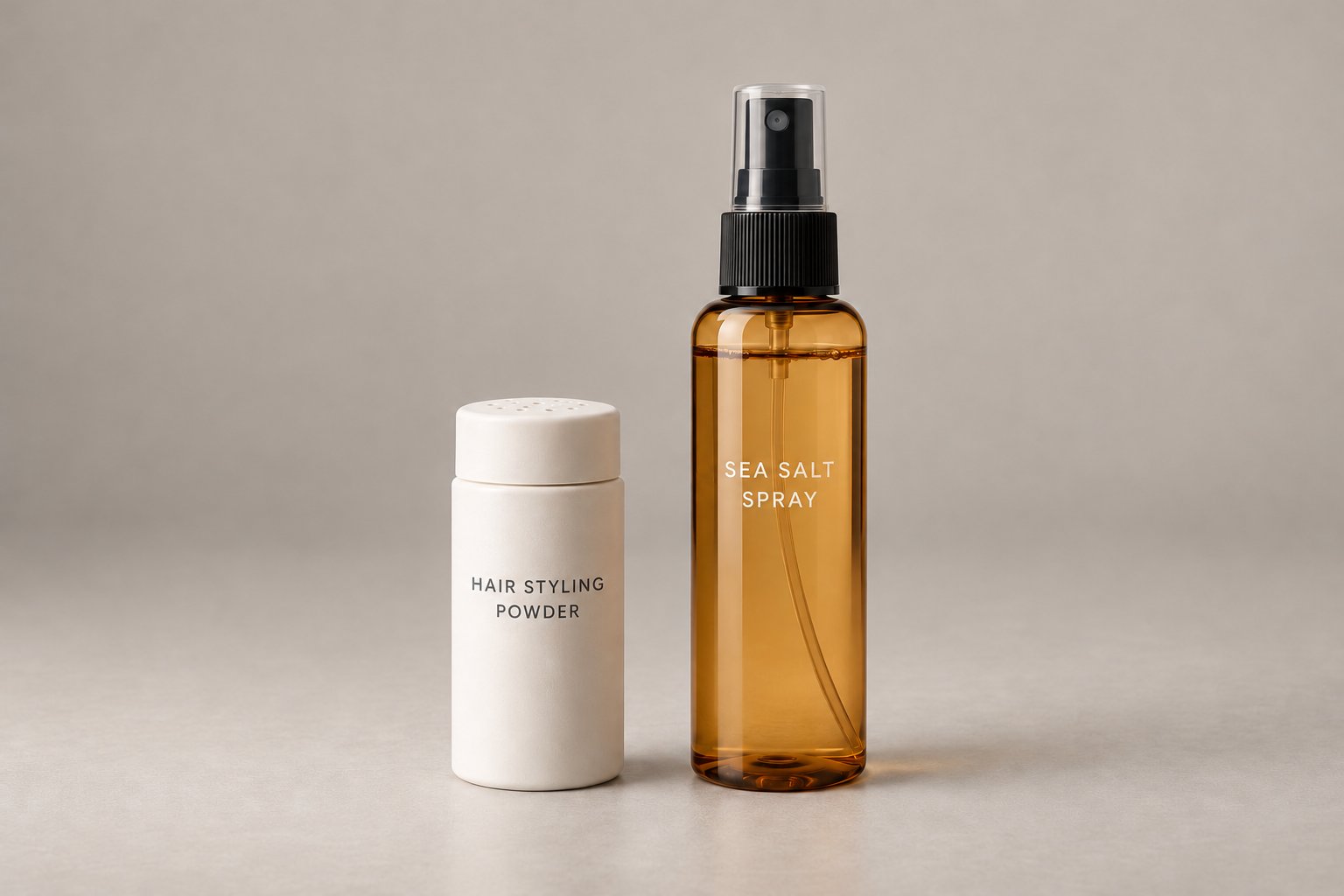
For example, a new men’s styling range could start with private label hair styling products such as hair pomade, styling clay, sea salt spray and styling powder. Unlike wholesale hair products, Private Label puts your own brand on the pack. Starting with proven formulas can reduce the initial development burden while allowing the brand to build a coherent product range.
Private Label does not automatically mean that the buyer owns the formula. Formula rights, exclusivity, technical information and transfer rights should be stated in the agreement.
OEM/ODM: Develop Products Around Your Brand Requirements
OEM generally means the buyer supplies or controls the formula, product specification or technical requirements and the supplier manufactures to the agreed specification.
ODM generally means the supplier contributes product design or formulation development based on the buyer’s brief. For example, a brand may request a water-based pomade with a defined hold level, natural-looking shine and a preferred washout experience. The supplier can propose a formulation direction and refine samples against the brief.
These terms are not used consistently by every supplier. Confirm the actual work scope, formula ownership, testing responsibilities and deliverables rather than relying on the acronym alone. For a deeper explanation, see our guide to OEM, ODM and OBM for men’s grooming brands; it also explains why wholesale hair products distributors and development partners are evaluated differently.
2. Wholesale Hair Products vs Private Label vs OEM/ODM: Side-by-Side Comparison
The right model is not simply the cheapest one. It is the model that gives your business the level of control and product-development support it needs.
| Comparison | Traditional Wholesale | Private Label | OEM/ODM |
|---|---|---|---|
| Product source | Existing finished products | Mature formulas or existing product base | Developed or produced per project |
| Brand control | Usually low | High | High |
| Formula control | Usually limited | Depends on customization and contract | Can be agreed contractually |
| Upfront development | Usually low | Low to medium | Medium to high |
| Product differentiation | Lower | Moderate | Potentially higher |
| Time to market | Often faster if stock is available | Relatively fast with existing formulas and packs | Usually longer when development is required |
| MOQ factors | Supplier stock and wholesale policy | Formula, packaging and order quantity | Formula, production and packaging requirements |
| Best suited to | Distributors and retailers | New and growing brands | Brands seeking product differentiation |
This is a general comparison, not a universal supplier rule. Actual cost, MOQ and lead time depend on formula, packaging, customization and order quantity. Use our private label hair products supplier checklist to vet the partner behind the numbers.
Which Model Offers Better Brand Control?
If you only need to resell existing products, wholesale may be sufficient. If you want customers to recognize your brand rather than the supplier’s brand, Private Label or OEM/ODM is usually more appropriate. Brand control can include the name and visual identity, product range, fragrance and texture direction, packaging specifications and quality standards. With wholesale hair products, most of those decisions belong to the original brand owner.
Which Model Requires Less Upfront Investment?
Wholesale generally avoids formulation development costs, but inventory, storage and logistics still matter. Private Label can reduce development work by using mature formulas, while still requiring packaging, sampling and product preparation. OEM/ODM may involve more development and testing, particularly for a new formula or specialized pack. Our cosmetic packaging MOQ and cost guide explains where those component minimums come from.
Practical approach: A new brand can often start with one or two products using mature formulas and suitable stock packaging, then invest in custom development after sales data and customer feedback identify a meaningful product opportunity.
3. Lead Time and Payment Terms: Wholesale Hair Products vs Custom Production
Product launch timing depends on more than factory production capacity. Formula selection, sample approval, packaging procurement and quality checks all affect the project schedule.
30–35 days — Typical BUNJOIN bulk production lead time after the relevant formula, samples, packaging and order requirements are confirmed.
50% + 50% — 50% deposit upon order confirmation; the remaining 50% balance is paid in full before shipment.

Important: The 30–35-day period refers to bulk production, not the entire project from first inquiry to overseas delivery. New formula development, sampling, packaging procurement and international transportation require additional time. Buyers should also agree the applicable ICC Incoterms rule before confirming delivery terms.
- Confirm the product brief, target market and quotation.
- Select or develop the formula and approve samples.
- Confirm packaging materials, artwork supplied by the buyer and specifications.
- Arrange bulk production and quality checks.
- Confirm shipment arrangements and delivery terms.
For a stage-by-stage schedule, see our private label grooming timeline from brief to shipment; wholesale hair products bought from stock skip most of those stages.
4. MOQ and Inventory: What Wholesale Hair Products Buyers Should Check
MOQ is not determined by product type alone. It can be affected by whether the formula is established or new, whether the bottle or jar is a stock item, the decoration method, carton requirements and the order quantity for each SKU.
| Project setup | What to confirm |
|---|---|
| Existing formula + stock packaging | Confirm the formula batch quantity and the available pack options. |
| Existing formula + custom label | Check label-printing quantity and whether it aligns with the product order. |
| Custom-colored packaging | Confirm the packaging supplier’s color and component MOQ. |
| Silkscreen or hot stamping | Review setup, sampling and minimum decoration quantities. |
| New formula + custom packaging | Evaluate development, raw-material and packaging commitments together. |
The typical MOQ for BUNJOIN hair styling products is 1,000–3,000 pieces per SKU. The final quantity within this range is confirmed according to the selected formula, packaging components and order specifications.
One frequent sourcing mistake is treating product MOQ and packaging MOQ as the same number. Ask for a component-level quantity breakdown before approving a packaging direction. Our low MOQ private label cosmetics guide shows how to phase an initial order without over-committing to inventory the way wholesale hair products buyers often must.
A Practical Inventory Strategy for New Brands
- Start with one or two core products that have a clear customer and use case.
- Use mature formulas and stock packaging where they meet the product brief.
- Add fragrance, texture or pack variations only when they serve a distinct customer need.
- Expand the range after sales and replenishment patterns become clearer.
5. What Should You Look for in a Wholesale Hair Products Supplier?
Product development capabilities
Ask whether the supplier can provide mature formulas or develop products around a written brief. For pomade, clay and styling products, specify hold, shine, pickup, spread, application and washout separately.
Packaging and customization options
Confirm the available bottles, jars, pumps, labels, cartons and decoration methods. Packaging material selection and packaging graphic design are different services; confirm who supplies the artwork and who coordinates packaging procurement.
Quality control and product consistency
Ask for written product specifications, an approved reference sample, relevant batch checks and a process for communicating raw-material or formula changes.
Compliance and documentation support
Depending on the product and destination market, ask which documents can be provided, such as an INCI ingredient list, SDS, COA, GMP-related information and applicable test records. A supplier’s document support does not automatically transfer every legal responsibility away from the brand or other responsible party. For EU-bound projects, review the European Commission cosmetics framework before finalising label content and claims. For US-bound projects, our MoCRA roles and documents guide clarifies who is responsible for what.
Production capacity, pricing and terms
Request a quotation that separates product cost, packaging, development, testing, logistics, payment terms and Incoterms. Confirm whether the supplier can support repeat orders and how production changes or delays are communicated. A structured China cosmetics supplier audit checklist helps verify those answers on site, whether you buy wholesale hair products or develop your own range.
6. How BUNJOIN Supports Private Label Hair Products and OEM/ODM Projects
Established in 2013, BUNJOIN is an ODM product development and global supply-chain partner focused on men’s grooming and personal care. We support brands that want to develop and sell products under their own brand, rather than simply distribute other brands’ finished goods.
| Project stage | BUNJOIN support |
|---|---|
| Product development | Mature formula selection, formula adjustment and custom development according to project scope. |
| Sampling | Sample coordination and product specification confirmation. |
| Packaging | Packaging material selection, sourcing and supplier coordination. |
| Compliance support | Applicable product documents and compliance information, according to the project and target market. |
| Bulk production | Production coordination and quality-check arrangements. |
| Delivery | Packaging, shipment and international logistics coordination. |
Our service boundaries: BUNJOIN focuses on Private Label, OEM and ODM projects. We do not provide traditional wholesale resale of other brands’ finished products. We support packaging material selection and sourcing coordination, but do not provide independent packaging graphic design services. Buyers should supply approved artwork or work with a separate design provider.
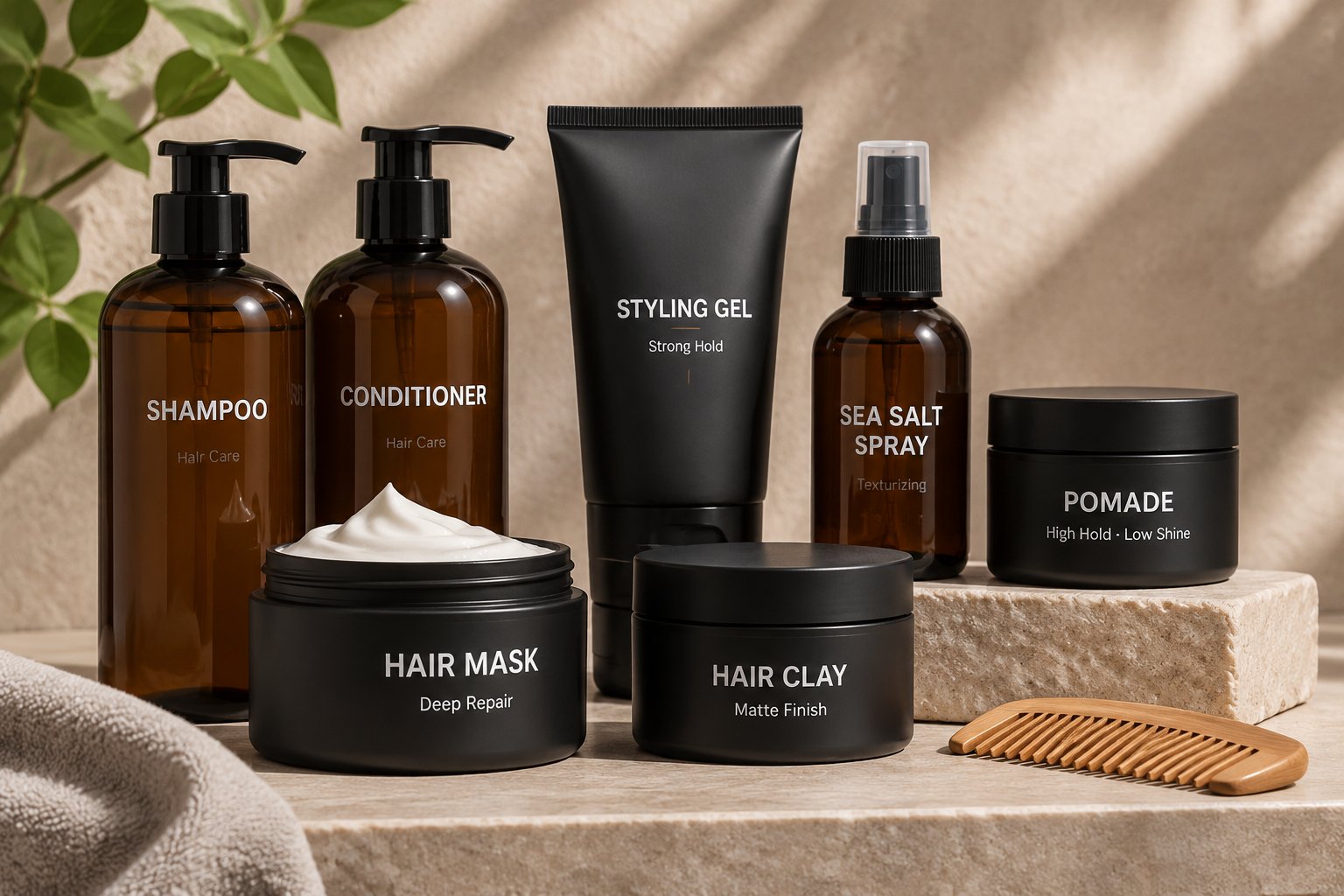
Explore our private label hair care products to review shampoo, conditioner and mask formats that could replace an assortment of wholesale hair products. For format-level development, see the men’s hair styling OEM/ODM guide and the sample approval checklist.
7. How to Choose Between Wholesale Hair Products, Private Label and OEM/ODM
| Your situation | Suggested model | Why |
|---|---|---|
| You already have sales channels and want ready-made branded goods | Traditional wholesale | No need to build a new product brand. |
| You are launching your own hair care brand | Private Label | Use mature formulas to reduce initial development work. |
| You want some differentiation without full custom development | Semi-custom Private Label | Balances product adjustments and launch complexity. |
| You already own the formula and technical specification | OEM | Manufacture to your defined requirements. |
| You need a new formula and a coordinated product range | ODM | Use supplier development capabilities around your brief. |
| You have an established brand and want to expand | Private Label + OEM/ODM | Choose a route for each SKU based on its needs. |
Do not assume every product in a range needs the same development route. A brand might use a mature formula for shampoo, semi-custom development for a pomade and a fully custom formula for its hero styling product. The best model is the one that matches the product’s role, available budget and evidence of customer demand. Use our private label hair care quote guide to brief several SKUs at once, and see stock vs custom packaging before fixing a pack direction.
8. Frequently Asked Questions About Wholesale Hair Products
What is the difference between wholesale hair products and private label hair products?
Wholesale hair products are existing products purchased in bulk and resold, usually under the original brand. Private label hair products are sold under the buyer’s own brand using an existing or customized formula supplied by a manufacturing partner.
Is private label cheaper than OEM?
Private Label often requires less upfront development investment because buyers can start with existing formulas. OEM may require additional technical preparation, formula transfer, testing or production setup. Actual cost depends on the product, quantity and customization requirements.
Can I start a private label hair care brand with one product?
Yes. You can start with one product, such as hair pomade, styling clay or sea salt spray, and expand based on sales performance and customer feedback. Starting small is often easier than committing to wholesale hair products inventory across a whole range.
What is the typical MOQ for private label hair products?
Unlike wholesale hair products bought from stock, MOQ here depends on the formula, packaging components, decoration method and order quantity. The typical MOQ for BUNJOIN hair styling products is 1,000–3,000 pieces per SKU. The final quantity is confirmed according to the selected formula and packaging combination.
How long does private label hair product manufacturing take?
For BUNJOIN projects with the formula, samples and packaging confirmed, bulk production typically takes 30–35 days. Product development, sampling, packaging procurement and international shipping require additional time; the grooming project timeline breaks those stages down.
What are BUNJOIN’s payment terms?
Our general payment terms are 50% deposit upon order confirmation and 50% balance, which must be settled in full before shipment.
Can BUNJOIN provide custom packaging design?
BUNJOIN supports packaging material selection, packaging sourcing and coordination. We do not provide independent packaging graphic design services. Buyers should prepare their own artwork or work with a separate design provider.
Does BUNJOIN sell wholesale hair products from other brands?
BUNJOIN focuses on Private Label, OEM and ODM product development and supply-chain services rather than distributing wholesale hair products from other brands for resale.
Ready to Move Beyond Wholesale Hair Products?
Share your product type, target market, estimated quantity, formula preferences and packaging direction. BUNJOIN can help you evaluate a suitable sourcing and development route for your brand, whether that means Private Label, OEM or ODM.
Email: bunjoincosmetics@gmail.com
Explore: ODM product development range · Contact BUNJOIN to discuss wholesale hair products alternatives for your own brand.
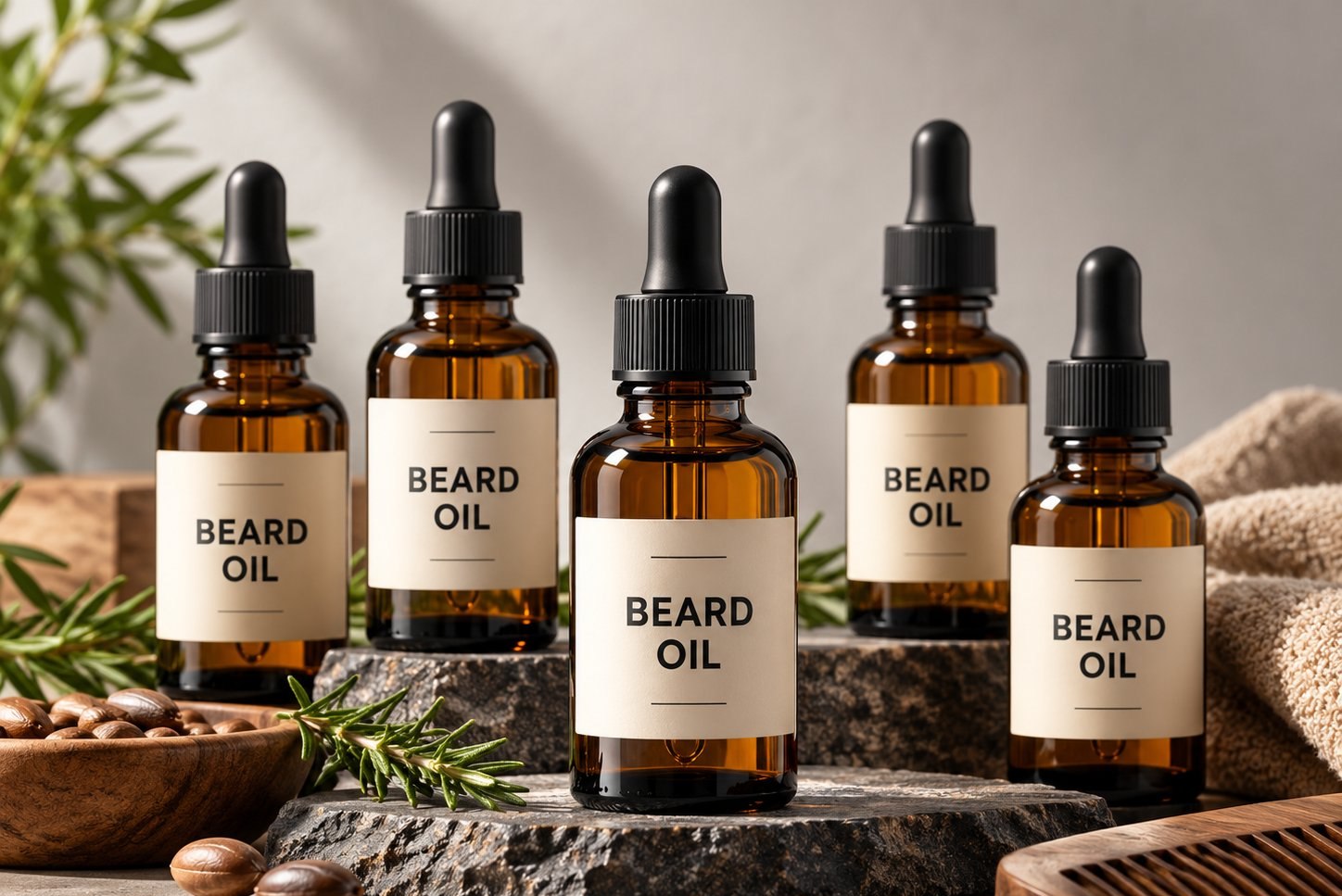
Image note: The visuals are unbranded photorealistic illustrations, not photographs of BUNJOIN’s actual products, laboratory or factory.