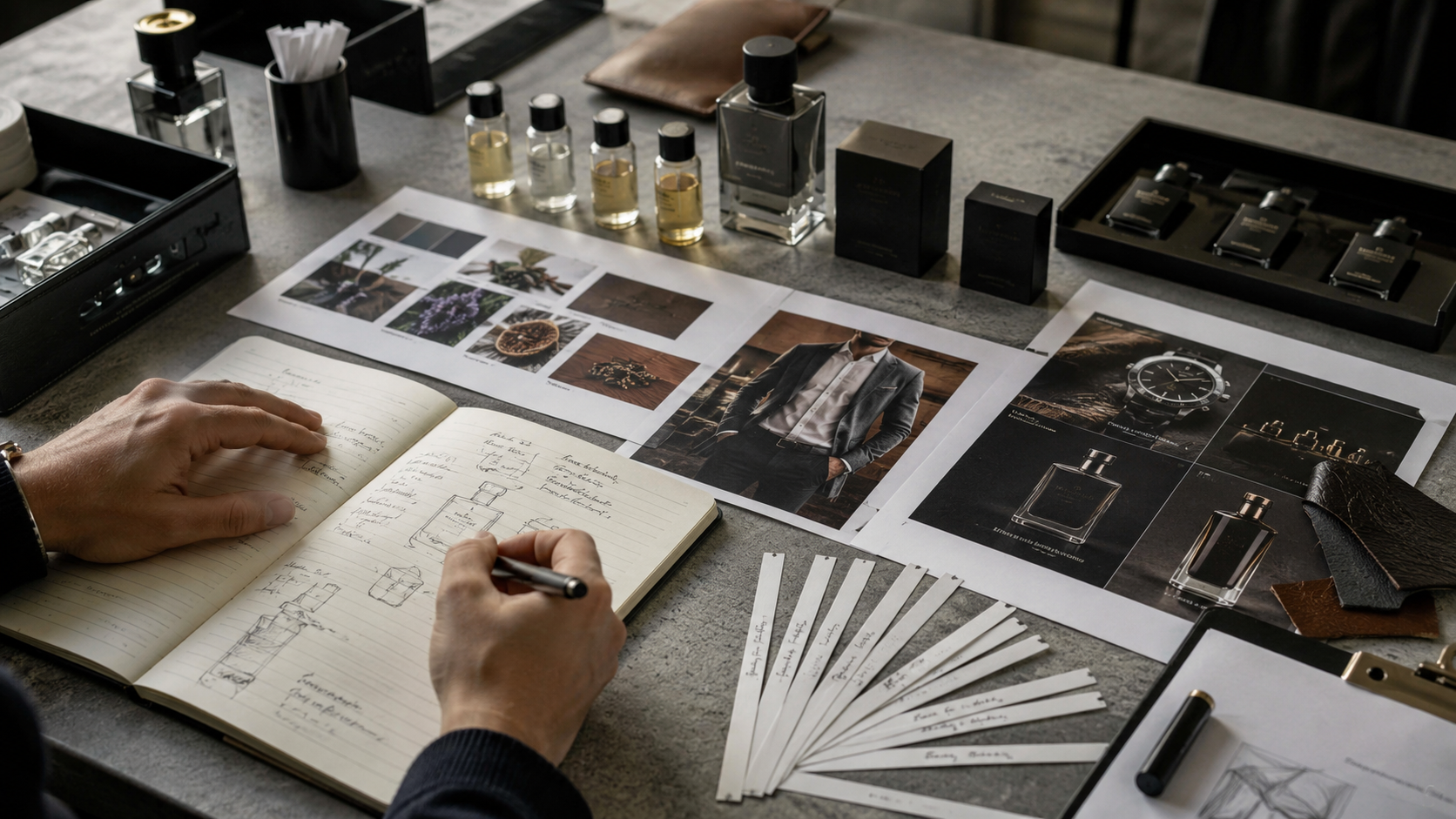
Ask a manufacturer for “a strong men’s hair wax” and you may get a sample by next week. Easy, right?
Well, maybe.
“Strong wax” is a bit like asking a car dealer for “a fast car.” Strong in what way? Should it feel dry or creamy? Look matte or shiny? Wash out with one shampoo? Survive humid weather? Work on fine hair, thick hair, or both?
Those details decide whether the product earns repeat orders or ends up in a discount box.
This guide is for founders, barbers, salons, ecommerce sellers, distributors, and established grooming brands planning a private label men’s hair styling range. It explains the product formats, formula materials, packaging choices, development routes, quality checks, market requirements, costs, and supplier questions that matter before a purchase order is signed.
If you are looking for a men’s grooming OEM/ODM partner, the useful starting point is not a random catalog. It is a clear product brief. Let’s build one.
What “Private Label” Really Means in Men’s Hair Styling

Private label, white label, OEM, and ODM are often used as if they mean the same thing. They do not. To make things slightly messy, suppliers may also define them differently.
The safest approach is simple: ignore the label for a moment and ask what is actually included.
White Label
A white label product is normally an existing formula offered to multiple buyers. You choose from available packaging, add your branding, and launch.
This is usually the fastest route. It is useful for testing a market or adding a simple salon retail product. The trade-off is limited formula differentiation. Another brand may be selling something quite similar.
Private Label or Semi-Custom
Private label may mean a stock base with selected changes. These can include fragrance, color, hold level, shine, active ingredients, or packaging.
This route sits between white label and fully custom development. It can offer a practical balance of speed and brand distinction, but every requested change must be tested. Adding more clay or changing the fragrance can affect viscosity, stability, color, or dispensing.
ODM
In an ODM project, the manufacturer helps design the product around your commercial brief. The supplier may recommend the formula platform, packaging, performance targets, and development path.
ODM works well when the brand understands its customer but does not have a finished technical formula.
OEM
OEM usually means the manufacturer produces to a formula or specification supplied or controlled by the buyer. This route can provide more control, but it requires a more complete technical package.
If your formula was created by an independent chemist, the factory still needs to confirm that it can be scaled, filled, tested, and manufactured with available equipment and raw materials.
|
Development route
|
Formula control
|
Relative speed
|
Likely MOQ pattern
|
Best fit
|
|
White label
|
Low
|
Fastest
|
Often lowest
|
Market tests, salons, small extensions
|
|
Semi-custom private label
|
Medium
|
Fast to moderate
|
Driven by changes and packaging
|
Growing brands wanting some distinction
|
|
ODM
|
Medium to high
|
Moderate
|
Depends on development and components
|
Brands with a clear consumer brief
|
|
OEM
|
High
|
Moderate to long
|
Depends on formula and scale-up
|
Brands owning a formula or specification
|
|
Fully custom development
|
Highest
|
Longest
|
Usually higher
|
Established brands with a clear business case
|
Formula Ownership, Exclusivity, and the Questions People Forget
A customized product is not automatically an exclusive product.
Before paying development fees, ask who owns:
-
The final formula and manufacturing instructions
-
Stability, compatibility, and performance data
-
Fragrance or flavor briefs
-
Artwork and editable design files
-
Custom molds and tooling
-
Approved standards and reference samples
Also ask whether the formula can be sold to another customer and whether you can transfer it to another manufacturer. Put the answer in the agreement. A friendly WhatsApp message feels reassuring today, but it is not much help three years later.
Choose the Product Before You Choose the Manufacturer

A factory can be excellent at filling gels and still be the wrong partner for aerosols or loose styling powder. First decide what the customer needs. Then find a manufacturer with real experience in that format.
Pomade, Wax, Clay, and Paste
These names overlap in the market, so do not rely on the front-label term alone.
Pomades often emphasize smooth control, definition, and shine. Water-based pomades are generally easier to wash out. Traditional oil-based types can provide longer-lasting control and a classic finish, but they may feel heavier.
Hair wax usually gives flexible control and separation. It can be restyled during the day. A badly balanced wax may feel greasy, drag during application, or collapse on fine hair.
Hair clay usually aims for a dry, textured, matte result. Clay minerals and absorbent powders can increase grip, but too much can make the product crumbly or difficult to spread.
Paste sits in the middle. It may provide texture, medium hold, and a natural finish. “Paste” is a flexible marketing term, so the measurable brief matters more than the name.
Gel, Styling Cream, and Mousse
Gel is familiar, easy to explain, and suitable for defined or slick styles. Strong gels can produce a firm cast. Common complaints include flaking, crunchiness, and residue after brushing or restyling.
Styling cream usually offers lighter control, smoothing, and easier application. It can suit medium or longer hair, curly styles, and customers who dislike a stiff finish.
Mousse distributes through the hair as a foam. It is useful for volume, curl definition, and lightweight hold. The formula, valve, actuator, and filling system need to work as one unit. This is not a product to hand to a factory without checking its aerosol or bag-on-valve capability.
Styling Powder, Hair Fibers, and Dry Shampoo
Styling powder creates grip, lift, and a dry finish. It is popular with barbers and consumers who want quick volume. The difficult bit is controlled dispensing. Too little feels useless; too much creates dust, stiffness, or a visible white cast.
Hair fibers are designed to make thinning-looking areas appear fuller. Color matching, static behavior, humidity resistance, packaging, and application control matter as much as the fiber material itself.
Dry shampoo absorbs oil and refreshes the appearance of hair between washes. It may come as an aerosol or loose powder. Residue, fragrance level, scalp feel, and shade visibility need careful testing across different hair colors.
Sea Salt Spray, Hairspray, and Finishing Sprays
Sea salt spray is mainly a texture product. It can add grip and a beach-like finish, but a high salt load or poorly balanced system may leave hair stiff and dry.
Hairspray and finishing spray focus more on fixation, humidity resistance, shine control, or final style protection. Pump sprays are simpler to handle than aerosols in some supply chains, but the spray pattern may be wetter and less fine.
Aerosols can deliver a fine mist and fast drying. They also bring specialist filling, flammability, storage, and transport requirements. Decide whether that complexity makes sense for the first launch.
|
Product format
|
Typical performance
|
Common finish
|
Good use case
|
Main packaging risk
|
|
Pomade
|
Medium to strong control
|
Natural to high shine
|
Classic, slick, defined styles
|
Jar contamination, oil migration
|
|
Wax
|
Flexible hold and separation
|
Natural to low shine
|
Short and medium styles
|
Hardening, poor scoop
|
|
Clay
|
Grip and strong texture
|
Matte
|
Short, thick, textured styles
|
Dry drag, crumbling
|
|
Paste
|
Versatile medium hold
|
Matte to natural
|
Everyday styling
|
Vague positioning
|
|
Gel
|
Defined, firm hold
|
Wet to natural
|
Slick or structured styles
|
Flaking, pump issues
|
|
Styling cream
|
Light control and smoothing
|
Natural
|
Longer, curly, or dry-feeling hair
|
Separation, low perceived hold
|
|
Styling powder
|
Volume and grip
|
Very matte
|
Fine or flat hair
|
Dust, white cast, overdosing
|
|
Sea salt spray
|
Texture and light hold
|
Matte to natural
|
Loose, tousled styles
|
Clogging, leakage
|
|
Hairspray
|
Final fixation
|
Variable
|
Finished styles
|
Valve, transport, flammability
|
|
Mousse
|
Volume and distributed hold
|
Natural
|
Curls and lightweight volume
|
Valve and foam-quality failure
|
Build the Range Around the User, Not the Jar
Customers do not wake up wanting “an anhydrous wax system.” They want their hair to look fuller, stay in place, feel touchable, or survive a humid commute.
Start with the person and the routine.
Hair Type, Length, Style, and Climate
Fine hair is easily weighed down. It often benefits from lightweight texture, volume, and a dry finish.
Thick hair may need stronger control and better distribution. A hard, dry clay can hold well but still fail if the user cannot spread it through dense hair.
Curly hair may need definition, moisture balance, frizz control, and flexibility. A rigid high-alcohol product may not fit the desired experience.
Short styles can use clays, waxes, pomades, pastes, and powders. Medium or long styles may need creams, sprays, mousse, or lighter pastes that distribute more evenly.
Climate matters too. A formula that performs in a dry, air-conditioned room may soften in tropical humidity or become difficult to scoop in winter.
Turn Marketing Words Into a Testable Brief
“Premium matte clay” is not enough. A useful brief might say:
-
Target user: men with short to medium, medium-density hair
-
Hold: 4 out of 5 after eight hours
-
Finish: matte, no visible white residue
-
Texture: firm in the jar but spreads after warming between palms
-
Reworkability: can be reshaped twice without flaking
-
Washability: removes with one normal shampoo
-
Climate: performs at high summer humidity
-
Fragrance: low to medium intensity, woody-citrus direction
-
Pack: 80 g wide-mouth jar
-
Channel: barber retail and DTC
Now the chemist, packaging supplier, quality team, and brand are discussing the same product.
Match the Range to the Sales Channel
Barbershops benefit from products that are easy to demonstrate, deliver an obvious result, and create a natural retail conversation.
Professional salons may prioritize technical performance, back-bar use, and stylist recommendations.
DTC brands need a clear promise, good unboxing, manageable shipping weight, and content that shows how to use the product.
Amazon and marketplace sellers need packaging that survives parcel handling, accurate claims, reliable stock planning, and strong differentiation beyond a different label.
Distributors and retailers may require larger margins, consistent replenishment, market documents, barcodes, case packs, and longer planning cycles.
This is why the same formula is not automatically right for every industry. The product sits inside a business model.
Inside the Formula: Materials That Shape Performance

The ingredient list is not a shopping list of fashionable actives. It is a working system. Change one part and the rest may behave differently.
Film Formers and Styling Polymers
Film formers such as PVP and VP/VA-type systems help create hold. They form a film as the product dries.
The polymer choice and level affect stiffness, humidity resistance, shine, tack, washability, and flaking. More polymer does not always mean a better product. Push the system too far and the hair can feel crunchy or show residue after combing.
Waxes, Butters, Oils, and Emollients
Waxes build structure and control. Butters and oils influence glide, softness, shine, and spread. Emollients can reduce drag and improve sensory feel.
The balance is delicate. Too much oily material can make fine hair collapse. Too little glide can make a clay pull at the hair during application.
Natural-origin positioning may guide material selection, but “natural” is not a shortcut to good performance or preservation. The full formula still needs safety, stability, and compatibility work.
Clays, Silica, Starches, Salts, and Powders
Kaolin and other clays can increase grip and absorb oil. Silica and starch-based materials can support a dry feel, volume, and matte appearance. Salts can add texture to sprays.
These materials can also create dust, settling, drag, white cast, or scalp discomfort if the system is poorly designed. Particle behavior and dispensing matter.
Emulsifiers, Thickeners, Surfactants, and Conditioning Agents
These are the supporting cast. They may not look exciting on a marketing page, yet they control stability, thickness, spread, rinse-off, and feel.
An emulsifier keeps water and oil phases together. Rheology modifiers help the product stay in the jar but move during application. Surfactants can improve washout. Conditioning ingredients can reduce roughness and support combability.
If the supporting system is wrong, the hero ingredients cannot rescue the product.
Preservatives, Fragrance, Color, and Claims
Water-containing formulas need an appropriate preservation strategy. The choice depends on the formula, manufacturing conditions, packaging, intended use, and destination market.
Fragrance can affect stability and viscosity. It also needs suitable documentation and use levels. The IFRA Standards documentation explains the standards system used to support safe fragrance use.
Colorants must be suitable for the product and market. Claims must match evidence and product classification. “Adds the appearance of volume” and “treats hair loss” are not the same kind of claim.
The U.S. FDA explains how intended use can make a product a cosmetic, a drug, or both. Have claims such as treating dandruff, stimulating growth, or changing body function reviewed before labels and advertising are finalized.
Water-Based Versus Oil-Based Styling Products
Water-based products are often easier to wash out and may feel lighter. They usually require a well-designed preservation system when water is available for microbial growth.
Oil-based products can provide shine, control, and longer wear. They may resist sweat or restyling better, depending on the system. They can also feel heavy or require more shampoo to remove.
Neither route is universally better. Choose based on the promised result, target hair, climate, use routine, and price.
Aerosol Versus Non-Aerosol Systems
Aerosols can deliver fine, even application. They require compatible formulas, containers, valves, actuators, propellants, pressure testing, and specialist filling.
They may also be classified as dangerous goods for transport. That can affect freight options, warehouse rules, cost, and marketplace acceptance.
Non-aerosol pumps avoid propellant but may deliver larger droplets. Spray quality depends on viscosity, particle load, pump design, dip tube, and actuator.
Packaging Is Part of the Formula
Packaging is not a decorative box added at the end. It is part of how the product works.
A beautiful pump is useless if the gel will not prime. A powder bottle is frustrating if one tap releases a week’s worth of product.
Match the Pack to the Formula
Jars work well for waxes, pomades, clays, and pastes. Check scoop behavior, exposure during use, liner compatibility, sealing, and oil migration.
Tubes reduce repeated finger contact and can suit creams, gels, and softer pastes. Wall thickness, orifice size, cap sealing, and decoration need checking.
Pumps provide controlled doses for gels and creams, but high viscosity or particles may cause priming and blockage problems.
Shakers and puff applicators can control powders. Hole size, number of holes, closure, static, and dose consistency make a big difference.
Sprayers need a formula that moves through the dip tube and nozzle without clogging. The desired mist pattern should be defined, not assumed.
Compatibility Testing Prevents Expensive Surprises
Product–pack compatibility checks whether the formula and packaging remain acceptable together over time and under expected conditions.
Look for:
-
Leakage or evaporation
-
Bottle, jar, liner, or seal deformation
-
Cracking, swelling, staining, or corrosion
-
Pump or spray failure
-
Formula discoloration or odor change
-
Label lifting or ink damage
-
Oil migration into decoration
-
Damage after vibration, drops, or temperature changes
|
Product
|
Likely pack
|
Common failure
|
Useful validation
|
|
Clay or wax
|
Jar
|
Cracking, oil migration, hard scoop
|
Stability, compatibility, torque, use test
|
|
Styling gel
|
Pump bottle or tube
|
Pump failure, leakage, flaking
|
Pump cycling, compatibility, performance test
|
|
Styling powder
|
Shaker or puff bottle
|
Overdosing, dust, white residue
|
Dose consistency and consumer-use test
|
|
Sea salt spray
|
Pump sprayer
|
Clogging, leakage, poor spray pattern
|
Spray cycling, transit, compatibility
|
|
Mousse or hairspray
|
Aerosol container
|
Valve failure, pressure issue
|
Specialist pressure, valve, spray, and transport testing
|
How an OEM/ODM Project Moves From Brief to Shipment
The exact workflow varies, but a sound project usually follows seven stages.
1. Define the Commercial and Product Brief
Share the target user, channel, benchmark, performance, pack, target cost, estimated quantity, destination market, and launch date.
The manufacturer should challenge unclear or conflicting requirements. Strong hold, featherlight feel, very low cost, fully custom packaging, tiny MOQ, and a four-week launch may not all fit together. That is normal. Trade-offs are part of development.
2. Choose the Development Route and Make Samples
Decide whether to use a stock formula, adjust a platform, or develop from scratch. Evaluate more than scent and first touch.
Use the product as a customer would. Try different quantities, hair types, climates, and styling methods. Record feedback with a scorecard.
3. Refine Formula, Fragrance, and Sensory Feel
Give specific feedback. “Not premium enough” is difficult to act on. “It drags on thick hair and loses shape after four hours” is useful.
Limit endless subjective rounds by agreeing on success criteria before sampling.
4. Validate Formula and Packaging
The test plan may include stability, product–pack compatibility, microbiological quality, preservation testing where applicable, performance evaluation, transport simulation, and pack-function checks.
Test duration and conditions depend on the product, market, pack, and risk. Do not treat one warm-room sample as proof of shelf life.
5. Finalize Artwork, Claims, and Documents
Confirm the INCI ingredient declaration, net contents, warnings, directions, responsible business details, batch marking, artwork, barcodes, and market-specific information.
Do this before mass printing. A label correction after 10,000 cartons arrive is a very boring kind of crisis.
6. Approve the Production Standard
Keep an approved reference sample and signed specification. Define appearance, odor, viscosity or other relevant measures, fill weight, packaging, artwork, and acceptance criteria.
7. Manufacture, Inspect, Release, and Ship
Production should follow approved instructions and quality controls. Finished goods are checked against specifications before release.
The logistics plan should cover export packing, case quantity, pallet needs, shipping classification, temperature exposure, destination documents, insurance, and delivery terms.
MOQ, Cost, and Lead Time: What Actually Moves the Quote

There is no useful universal MOQ for men’s styling products. One factory may fill 500 stock-formula jars. Another may need several thousand units for a custom run. The number alone means little without scope.
Formula MOQ and Packaging MOQ Are Different
The formula batch may support 1,000 units, while a custom-colored jar needs 5,000. Printed cartons may have another minimum. A special fragrance or raw material can introduce yet another minimum.
Ask for each MOQ separately:
-
Bulk formula
-
Primary pack
-
Decoration
-
Label or carton
-
Custom fragrance
-
Individual SKU
-
Total order
What Drives Cost?
Major drivers include:
-
Stock, modified, or custom formula
-
Material cost and raw-material minimums
-
Fill size and expected production loss
-
Packaging material and decoration
-
Custom molds or tooling
-
Number of products, fragrances, or variants
-
Sampling and development rounds
-
Testing and market documentation
-
Inspection, freight, duties, and warehousing
|
Launch route
|
Speed
|
Differentiation
|
Main cost pressure
|
Best use
|
|
Stock formula + stock pack
|
Fast
|
Low
|
Branding and quantity
|
Early demand test
|
|
Stock formula + custom decoration
|
Fast to moderate
|
Medium visually
|
Print and component MOQ
|
Salon or ecommerce launch
|
|
Modified formula + stock pack
|
Moderate
|
Medium
|
Sampling and testing
|
Growing brand
|
|
Custom formula + selected pack
|
Moderate to long
|
High
|
R&D, testing, materials
|
Clear hero-product opportunity
|
|
Custom formula + custom pack
|
Longest
|
Highest
|
Tooling, components, testing
|
Proven brand with forecast
|
Why a Low MOQ Can Still Be Expensive
A small custom run has fewer units over which to spread sampling, testing, artwork, freight, and setup costs. Unit cost rises.
Launching three products also triples more than inventory. It creates three forecasts, three packaging sets, three specifications, and more ways for timelines to drift.
A better first step may be one strong hero SKU. Learn from customer reviews, returns, dispensing problems, and repurchase. Then add the second product for a clear reason.
Quality Standards and Market Compliance
Compliance is market-specific, and responsibilities should be agreed in writing. A factory certificate does not automatically make every formula, label, claim, and pack compliant everywhere.
ISO 22716 and Cosmetic GMP
ISO 22716 provides guidelines for cosmetic good manufacturing practices covering production, control, storage, and shipment.
It is a useful manufacturer-screening signal. Still, buyers should verify certificate scope, issuing body, site address, validity, and whether the quoted product will be made at that site.
Product-specific specifications, testing, claims, safety work, and market files remain necessary.
United States: MoCRA and FDA Language
Under MoCRA, required cosmetic facilities generally register with the FDA and renew every two years. A Responsible Person generally lists each marketed cosmetic product and updates the listing annually, subject to applicable exemptions.
FDA’s current registration page reports more than 16,000 active facility registrations and over 1.29 million active product listings since December 2023. More important for marketers, the agency clearly says registration and listing are neither a cosmetic approval program nor a promotional tool. The details are on the FDA’s official cosmetic facility registration and product listing page.
So, “FDA registered facility” may describe a filing status. “FDA approved hair wax” is generally not an appropriate cosmetic claim.
Brands should also prepare suitable safety substantiation, adverse-event processes, labels, records, and other applicable obligations with qualified support.
European Union: Regulation (EC) No 1223/2009
The EU Cosmetics Regulation sets the main framework for cosmetics placed on the EU market.
Typical preparations include an EU Responsible Person, a safety assessment and Cosmetic Product Safety Report, a Product Information File, notification through the relevant portal, compliant labeling, good manufacturing practice, and substantiated claims.
Do not assume a document prepared for the United States is automatically enough for the EU.
Documents a Buyer Should Discuss
Depending on the product and market, ask about:
-
Full INCI ingredient list
-
Finished-product specification
-
Batch Certificate of Analysis
-
Raw-material or finished-product SDS where applicable
-
Stability and compatibility reports
-
Microbiological or preservation-related reports
-
Fragrance documents
-
Manufacturing and batch records
-
Artwork review responsibilities
-
Claims support
-
Market-specific safety or product files
-
Change-control and traceability procedures
Common Product Problems and Practical Fixes
Styling complaints often reveal a mismatch between the brief, formula, packaging, and real use conditions.
|
Problem
|
Possible cause
|
Practical response
|
|
Pomade feels greasy
|
Heavy oil phase or excessive dose
|
Rebalance sensory profile; improve directions; test on fine hair
|
|
Clay drags or crumbles
|
Too much dry structuring material or poor glide
|
Adjust powder–wax–emollient balance and scoop behavior
|
|
Powder leaves a white cast
|
Particle choice, dose, or poor distribution
|
Evaluate different hair colors and redesign dosing
|
|
Gel flakes
|
Brittle film, overapplication, or reworking
|
Adjust polymer system; test combing and restyling
|
|
Sea salt spray feels too dry
|
High texture load without enough balance
|
Refine salt and conditioning system; test repeated use
|
|
Sprayer clogs
|
Viscosity, particles, crystallization, or nozzle mismatch
|
Run spray-cycle and compatibility testing
|
|
Fragrance changes
|
Formula interaction, heat, light, or packaging
|
Repeat stability with final fragrance and pack
|
|
Formula separates
|
Weak emulsion or temperature sensitivity
|
Reformulate and repeat stability work
|
|
Pack leaks in transit
|
Closure, liner, torque, or pressure problem
|
Test filled packs through realistic transit conditions
|
|
Batches feel different
|
Raw-material or process variation
|
Tighten specifications, process control, and reference standards
|
The fix is rarely “add one trendy ingredient.” It is usually a more careful system decision.
How to Vet a Men’s Hair Styling Manufacturer
A polished sample box is nice. It is not due diligence.
Ask to understand who develops the product, where it is made, what is outsourced, how quality is controlled, and what happens when something goes wrong. BunJoin’s background on product development and global sourcing provides context on its working model.
Twelve Questions to Ask
-
Which styling formats do you manufacture regularly?
-
Can you provide relevant category samples made at the proposed site?
-
Is the quote for white label, modified private label, ODM, or OEM?
-
What can be customized, and what cannot?
-
Who owns the formula, artwork, tooling, and test data?
-
What are the separate formula, pack, print, and SKU MOQs?
-
Which tests are included, and which cost extra?
-
How are batches, deviations, complaints, and changes recorded?
-
Which documents can be supplied for the destination market?
-
Are powder or aerosol operations completed in-house?
-
What is excluded from the quote?
-
How will a mismatch between the approved sample and bulk production be handled?
Red Flags
Be careful when a supplier:
-
Promises a finished custom product before reviewing the brief
-
Calls a normal cosmetic “FDA approved”
-
Cannot explain the test plan
-
Will not separate formula and packaging MOQs
-
Avoids written specifications
-
Cannot identify the actual manufacturing site
-
Offers certificates with a different company or address and no explanation
-
Changes raw materials or packaging without a formal approval process
A professional supplier does not need to have every answer immediately. It should know which questions require technical or regulatory review.
A Smarter First Launch: One Hero SKU, Then the Routine

It is tempting to launch a complete shelf: clay, pomade, powder, spray, shampoo, and conditioner. It looks impressive in a mockup. It also ties up cash and spreads attention thin.
Start with the product that solves the clearest problem for the easiest-to-reach customer.
A barber brand might launch a medium-to-strong matte clay that spreads easily and washes out without drama. The second product could be a texture spray that prepares longer hair before the clay.
A DTC volume brand might begin with a controlled-dose styling powder. After learning which hair colors, lengths, and application methods work best, it could add a compatible pre-styler.
Track:
-
Conversion and repeat purchase
-
Returns and leakage
-
Reviews by hair type
-
Amount used per application
-
Climate-related complaints
-
Fragrance feedback
-
Pack usability
-
Barber or stylist recommendations
Use that evidence to plan the next SKU. The result may grow a little slower at first, but it is usually a healthier kind of slow.
Conclusion
Private label men’s hair styling products are not chosen from a formula list alone.
The right project begins with the user, hairstyle, channel, climate, and measurable performance target. Those choices guide the product format. The format guides the material system and packaging. Testing confirms whether they work together. Market rules shape the label, documents, claims, and responsibilities.
Only then can MOQ, price, and lead time be compared fairly.
White label can be a smart way to test demand. Semi-custom development can add distinction without starting from zero. ODM and OEM offer more control when the commercial case supports the extra work. None is automatically best.
Build a clear brief. Ask awkward questions early. Keep one approved standard. And do not let a beautiful jar distract from a product that is hard to use.
When you are ready, you can share your men’s hair styling brief with BunJoin for a development and sourcing discussion.
Frequently Asked Questions
1. What is the usual MOQ for private label men’s hair styling products?
There is no universal MOQ. Stock formulas and packaging may support smaller runs, while custom formulas, printed components, special fragrances, powders, or aerosols may require more. Ask for separate MOQs for bulk, primary packaging, decoration, cartons, and each SKU.
2. How long does OEM/ODM development and production take?
A stock-formula project may move relatively quickly once packaging and artwork are ready. Modified or custom development takes longer because it needs sampling, revisions, testing, component sourcing, approvals, and production scheduling. Request a stage-by-stage timeline rather than one launch-date promise.
3. What is the difference between white label and private label hair products?
White label normally uses an existing formula also available to other brands. Private label may include changes to fragrance, color, performance, ingredients, packaging, or branding. Supplier definitions vary, so confirm the actual customization and ownership terms.
4. What is the difference between OEM and ODM?
OEM generally manufactures to a buyer-controlled formula or specification. ODM helps design the product around the buyer’s needs using the manufacturer’s development capabilities. In real projects, the boundary can overlap. The contract and scope matter more than the acronym.
5. Which men’s styling product is best for a first launch?
Choose the product that fits the audience and channel. Barbers may sell a demonstrable clay, paste, or pomade well. A volume-focused online brand may prefer powder or sea salt spray. One clearly differentiated hero product is often easier to validate than a large routine.
6. Can hold, shine, fragrance, color, and washability be customized?
Usually, yes, within technical and commercial limits. These properties influence each other. More hold may increase stiffness. More wax or oil may increase shine and reduce washability. Every meaningful change should be evaluated in the complete formula and final pack.
7. Is water-based or oil-based pomade better?
Water-based pomades are usually easier to wash out and may feel lighter. Oil-based pomades can provide classic shine, flexible control, and longer wear but may feel heavier. The better choice depends on the hairstyle, hair type, climate, routine, and brand promise.
8. Which ingredients create matte texture and volume?
Clays, silica-type materials, starches, salts, waxes, and styling polymers may contribute. Performance comes from their balance, particle behavior, and the full formula. A high powder load can add grip but also cause drag, dust, or white residue.
9. Which tests should a styling product pass?
The plan may include stability, packaging compatibility, microbiological quality, preservation-related testing where relevant, performance evaluation, fill and pack-function checks, and transit testing. Required work depends on the formula, pack, claims, market, and risk.
10. Which packaging works best for styling powder and sprays?
Powders need controlled-dose shakers, puff applicators, or other suitable dispensers. Sprays need a pump, valve, actuator, and dip-tube system compatible with the formula. Test dose, pattern, clogging, leakage, and repeated consumer use.