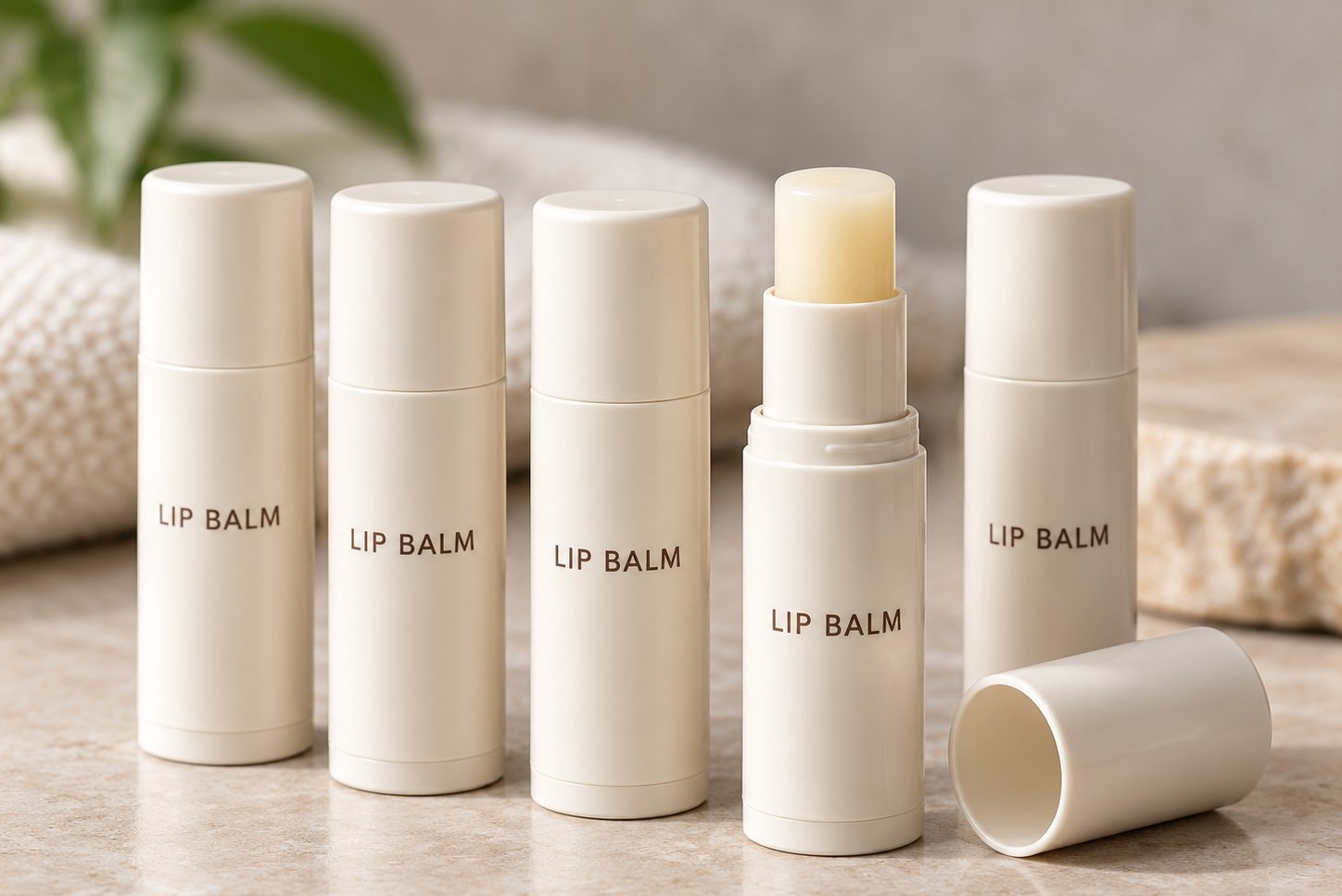
Solid cologne balm is a wax-based fragrance format — a balm you warm with a fingertip and apply to pulse points instead of spraying. It is travel-friendly, leak-proof, and increasingly used by men’s grooming brands as an entry-price SKU or a gift-with-purchase. For a private label project it is also one of the fastest products to develop, because the formula has few variables and the packaging is simple.
Short answer: Solid cologne balm is made from a wax-and-butter base carrying a fragrance load, poured into a tin, stick or compact. Development turns on four decisions: base ratio (which sets hardness and melt point), fragrance load and IFRA limits, packaging format, and fill temperature. Get those four right and the product is stable, shippable and easy to rebrand across a scent family.
- TL;DR
- 1. What Is a Solid Cologne Balm?
- 2. How a Solid Cologne Balm Formula Is Built
- 3. Packaging Options: Tin, Stick and Compact
- 4. How Solid Cologne Balm Is Manufactured
- 5. Positioning, Scent Families and Claim Discipline
- 6. Common Questions About Solid Cologne Balm
- Building a Solid Cologne Balm Line with BUNJOIN
- FAQ
TL;DR
- Solid cologne balm is a wax-based scent in tin/stick/compact – portable, spill-proof, and giftable.
- Formula, packaging, and positioning (scent family, claim discipline) must be decided together.
- Manufactured like a balm; build a line with BUNJOIN and answer common questions up front.
1. What Is a Solid Cologne Balm?
A solid cologne balm is an anhydrous (water-free) fragrance product. Instead of alcohol carrying the scent, a blend of waxes and butters holds it in a semi-solid form that softens on contact with skin. The user swipes a fingertip across the surface, warms the balm, and applies it to wrists, neck or behind the ears.
Three properties make the format commercially interesting:
- Portability. No liquid, no leak risk, no airline liquid restriction — the reason most travel-sized fragrance launches use it.
- Controlled dose. A balm delivers less fragrance per application than a spray, which suits subtlety-positioned brands and office-wear scents.
- Low entry cost. A small tin holds 5–15 g, so unit cost stays low even with a premium scent, and the SKU works as an add-on or gift item.
Because the format is water-free, preservation is fundamentally simpler than in an emulsion: without water, microbial growth has no medium. That removes a whole category of stability risk and shortens the testing timeline.
2. How a Solid Cologne Balm Formula Is Built
Every solid cologne balm is a balance between structure and scent. Too much wax and the balm will not release fragrance; too little and it slumps in a warm warehouse.
| Component | Typical range | Role | Development note |
|---|---|---|---|
| Beeswax or candelilla wax | 15–30% | Structure, raises melt point | Candelilla gives a vegan positioning |
| Shea or cocoa butter | 25–45% | Creaminess, skin feel | Grainy crystallisation if cooled too slowly |
| Carrier oil (jojoba, sweet almond) | 20–40% | Slip, spreadability | Jojoba resists oxidation and extends shelf life |
| Fragrance compound | 5–15% | Scent load | Must be assessed against IFRA category limits |
| Vitamin E / antioxidant | 0.2–1% | Protects the oil phase | Standard in anhydrous systems |
The base ratio is the first thing to fix in sampling. A brand selling in hot climates needs a higher melt point, which means more wax and less butter — the same decision that drives climate-led formulation for Asia-Pacific markets. Cooling rate matters as much as ratio: butter-heavy bases can develop a grainy texture if they cool unevenly, so controlled cooling is part of the manufacturing specification.
3. Packaging Options: Tin, Stick and Compact
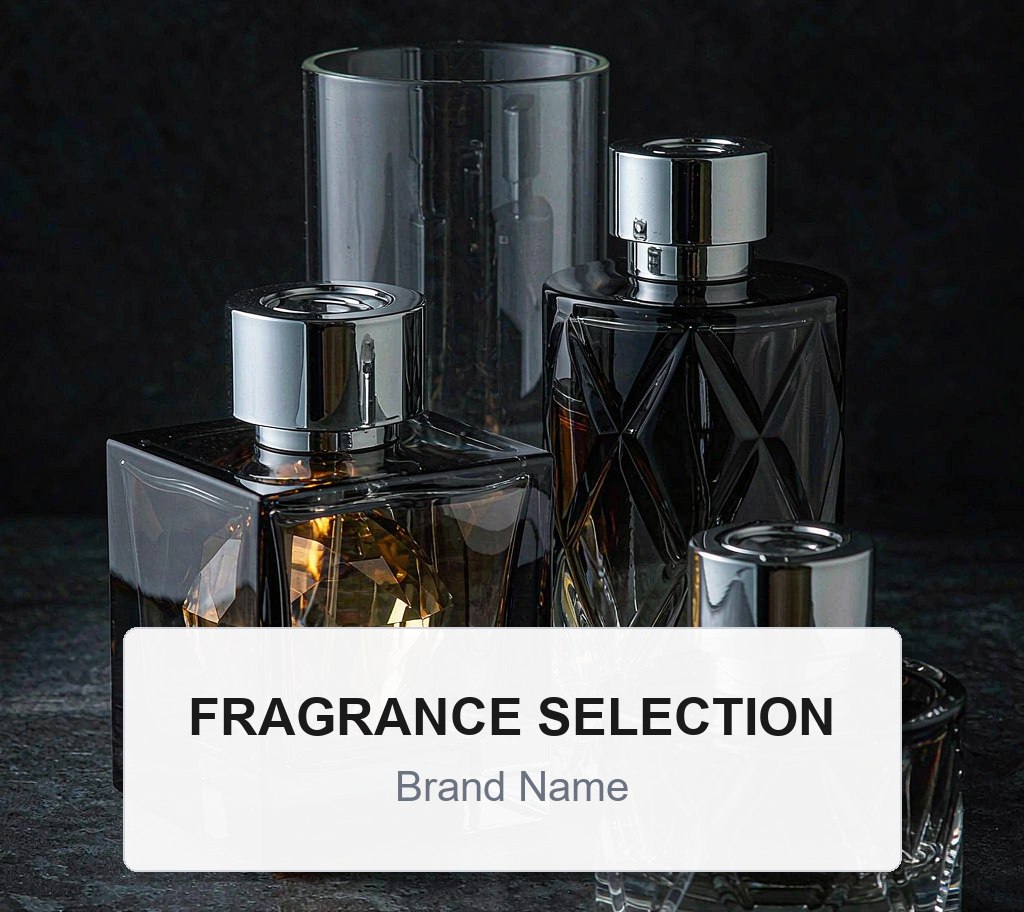
Three formats dominate the category, and each one changes both the user experience and the filling line.
- Screw-top tin (5–15 g). The classic. Aluminium or steel tins are cheap, durable and easy to print or label. Filling is a hot-pour into an open tin with a controlled cooling tunnel.
- Twist-up stick (4–10 g). Reads closer to a deodorant and suits “pocket” positioning. Requires a harder base and a mould-fill or stick-filling line.
- Compact or slide tin. Premium gifting positioning, usually with a printed lid or embossed logo. Higher component cost, higher perceived value.
Packaging drives the MOQ conversation more than the formula does. Stock tins can often start at low quantities, while custom tooling, embossing or full-colour printing carries its own minimum. Ask for bottle, closure and printing minimums as separate numbers before you commit to a launch quantity.
4. How Solid Cologne Balm Is Manufactured
A typical production run follows six steps:
- Weigh and melt. Waxes and butters are melted in a jacketed vessel under controlled temperature.
- Cool to addition temperature. The base is brought down before fragrance is added, so volatile top notes are not driven off.
- Add fragrance and antioxidant. Mixing is gentle to avoid incorporating air.
- Fill. Hot-fill into tins or sticks at a set temperature and fill weight.
- Controlled cooling. The cooling profile sets the final texture and surface finish.
- Inspect and pack. Surface check, weight check, then cartoning and palletising.
Quality control focuses on weight accuracy, surface finish, melt point and scent consistency between batches. Scent drift between the approved sample and the first bulk run is the most common complaint in this category, so retain a reference sample from the approved round.
5. Positioning, Scent Families and Claim Discipline
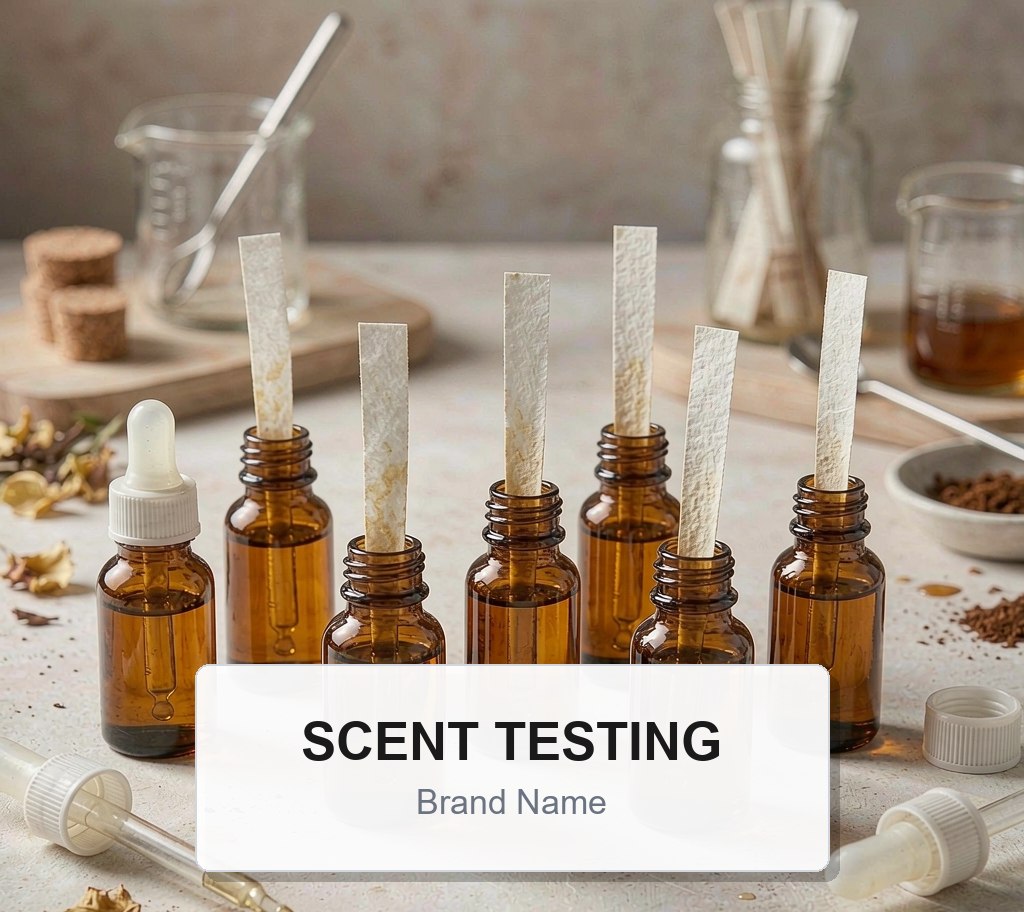
Woody and amber families — sandalwood, cedarwood, vetiver — remain the default for men’s grooming. Citrus and clean-musk blends are rising with the “clean” movement, and fragrance-free versions serve sensitive-skin lines.
Fragrance is also where compliance risk concentrates. Every fragrance compound must be assessed against IFRA use limits for the relevant product category, and the finished label has to declare the allergenic substances above threshold. The IFRA standards are the reference point your supplier should work from, and in the US the FDA labeling guide governs how the ingredient declaration is presented.
Avoid positioning that implies a therapeutic effect. “Aromatherapy” language about stress or sleep relief pushes a cosmetic into claim territory that is difficult to substantiate; scent, mood and freshness descriptions are the safe frame.
6. Common Questions About Solid Cologne Balm
How long does the scent last?
Shorter than an alcohol spray in absolute terms — typically two to four hours — because the dose per application is smaller. The trade-off is control: users reapply a small amount rather than over-spraying.
Can one base carry several scents?
Yes. That is the usual approach: one approved base, three or four scent variants, one packaging platform. It keeps development cost down and lets a brand test which scent sells before scaling.
Does it melt in summer shipping?
A well-specified base will not. Set the melt point above the highest likely transit temperature and validate with a hot-box test rather than assuming.
Building a Solid Cologne Balm Line with BUNJOIN
BUNJOIN is a men’s grooming product development and supply chain partner founded in 2013 and based in Guangzhou, China, supplying brands in the USA, Europe and global markets. Capabilities span product development, formulation, packaging, compliance, manufacturing, quality control and logistics.
On a solid cologne balm project we start from the base ratio and melt point, run two to three sample rounds across your scent shortlist, and validate filling on your chosen tin or stick before bulk production. Because our private label programs start at low minimums, a three-scent launch is achievable without committing to a full fragrance range.
To scope a project, see our OEM/ODM product range or contact our team.
FAQ
What is the MOQ for a private label solid cologne balm?
Component minimums usually set the floor: stock tins can start low, while custom printing or embossing carries its own minimum. Ask for the tin, closure and printing numbers separately so you know which one actually governs.
Can the balm be vegan?
Yes. Replace beeswax with candelilla or a synthetic wax system and confirm the fragrance compound contains no animal-derived materials. Certification support can be arranged if you need a third-party mark.
How many scent variants should a launch include?
Three is the practical answer: one woody, one fresh or citrus, and one unscented or lightly scented option. It gives the category enough choice without tying up cash in slow-moving inventory.
What documentation comes with a fragrance product?
Expect SDS and COA per raw material batch, an INCI declaration for the label, IFRA conformity statement for the fragrance compound, and allergen declaration for EU or UK listings.
Frequently asked questions
What is the typical MOQ for private label fragrance?
EDP, EDC and solid balm usually start around 1,000–3,000 units; refill and gift formats vary.
Can the scent be customized to a brief?
Yes — we build the accord from your scent brief (woody, fresh, citrus, amber and so on) and set concentration to cost and market.
How long does fragrance production take?
Scent development and samples 1–3 weeks, production 3–6 weeks after approval.