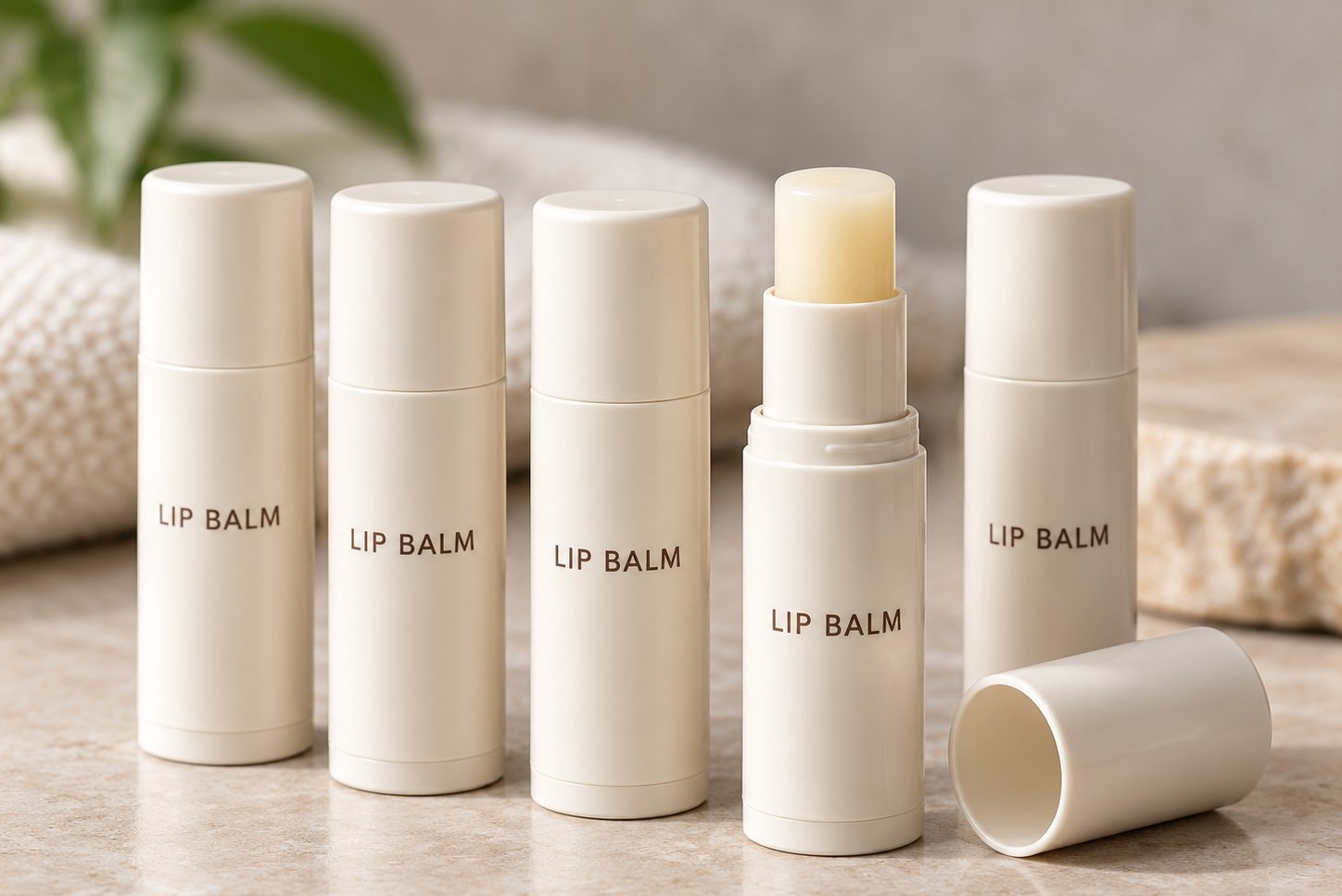
Lip balm is applied directly to the lips, so small incidental exposure during normal use is expected. That does not make lip balm a food, and it should not be marketed or used as something to eat. A well-designed men’s lip balm uses ingredients appropriate for the intended cosmetic use, has clear labeling, and is assessed as a finished product.
This guide explains how the balm differs from lipstick, what common ingredients do, and what brands should evaluate when developing a private label men’s grooming product.
What this guide covers

TL;DR
- Lip balm is formulated to be lip-safe and low-risk if ingested in normal use, but it is not food and must meet cosmetic safety standards.
- Men’s lip balm differs by texture, scent, and packaging rather than fundamentally different actives.
- Answer safety, quality, and sample questions before requesting samples; develop with BUNJOIN.
Is It Safe to Swallow Lip Balm?
Normal lip use can result in a small incidental amount being transferred to the mouth. Lip products should still be used according to their directions and kept away from children who might consume a larger amount. Poison Control advises that lip products are not intended to be eaten and recommends contacting a poison center when a product is swallowed or worrying symptoms occur. See its consumer guidance on lip products.
Safety cannot be judged from a marketing term such as “natural” or “clean” alone. It depends on the complete formula, ingredient levels, manufacturing controls, packaging, labeling, and customary use.
Lip Balm vs. Lipstick
Lipstick and the balm can share waxes, oils, and emollients, but they are developed for different main purposes.
| Factor | Men’s Lip Balm | Lipstick |
|---|---|---|
| Primary purpose | Protective feel, moisture support, comfort | Color, finish, coverage, and appearance |
| Color system | Often clear or lightly tinted | Usually relies on a deliberate pigment or dye system |
| Texture target | Smooth glide with controlled waxiness | Balance of payoff, adhesion, glide, and wear |
| Common positioning | Daily care, outdoor use, travel, grooming kits | Makeup, fashion, color trends, long wear |
Because the color and performance requirements differ, a lipstick formula should not simply be relabeled as a balm, and a basic balm base will not automatically perform as a lipstick.
Common Men’s Lip Balm Ingredients
Waxes
Beeswax, candelilla wax, carnauba wax, and other waxes build the stick structure and influence hardness, glide, and temperature resistance. The wax system must balance application comfort with stability in transport and storage. Color, scent, and flavor direction should follow IFRA standards so the finished balm is supportable in the intended markets.
Oils and Butters
Castor oil, jojoba oil, sunflower oil, coconut-derived emollients, shea butter, cocoa butter, and similar materials can provide slip and reduce a dry or dragging feel. Each oil and butter also affects odor, oxidation stability, firmness, and sensory finish.
Emollients and Occlusives
These materials help the product spread evenly and form a protective film. A men’s balm may target a low-shine finish, while a treatment-oriented product may use a richer sensory profile.
Flavor and Fragrance
Mint, citrus, vanilla, and neutral profiles are common creative directions, but flavor or fragrance choice must be assessed for the intended lip application. A strong scent does not automatically improve the user experience, especially for frequent daily use.
Antioxidants and Other Supporting Ingredients
Antioxidants can help protect oils from oxidation. Other ingredients may support the desired sensory profile or positioning, but every addition needs a clear technical role and compatibility with the complete formula.
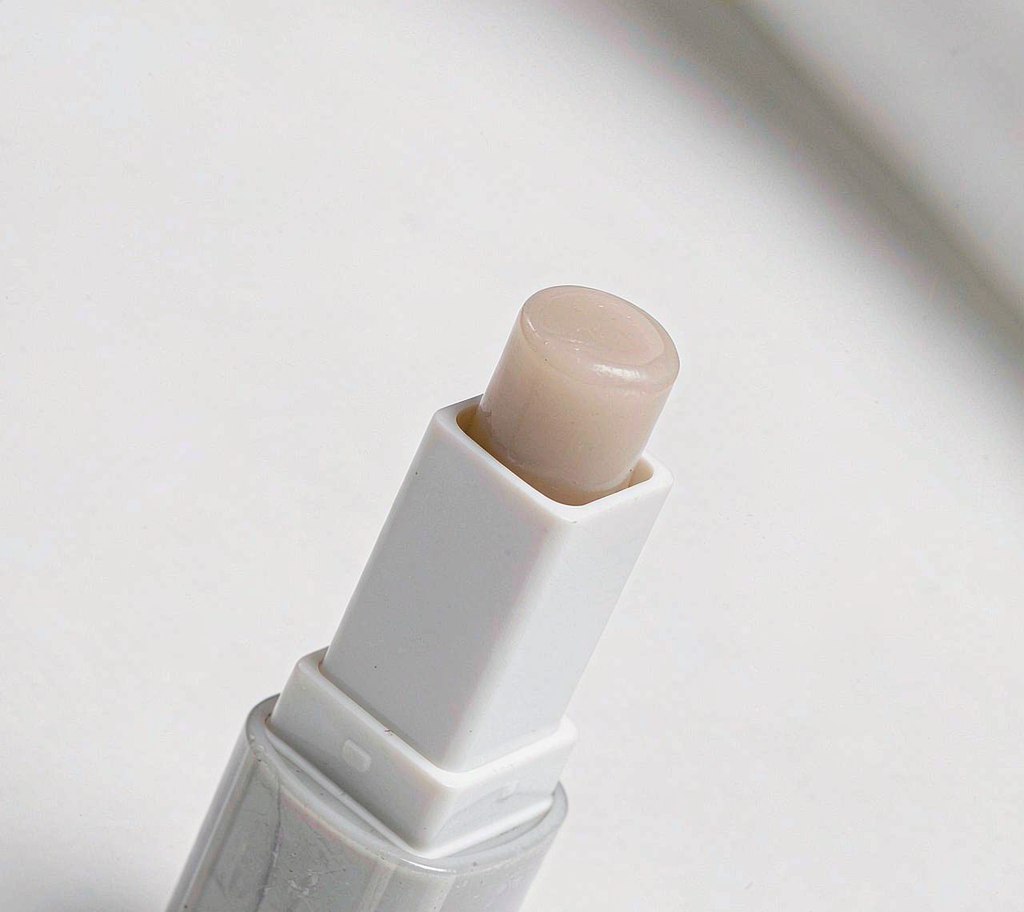
What Makes a Men’s Lip Balm Different?
Many men’s lip balm briefs prioritize function, portability, and a low-shine finish. Useful product decisions include:
- Clear, natural-looking, or lightly tinted appearance;
- Low-shine, satin, or richer protective finish;
- Neutral, mint, citrus, woody, or fragrance-free positioning;
- Standard twist-up stick, slim stick, jar, or tube packaging;
- Daily care, outdoor, sport, travel, or grooming-kit use;
- Vegan or beeswax-based structure;
- Target climate and expected transport temperature.
Safety and Quality Checks for a Lip Balm Launch
Before launch, the complete formula and pack should be reviewed for the intended market. Depending on the product, the development program may include raw-material documentation, formula review, stability and packaging compatibility, microbiological assessment where relevant, fill-weight control, label review, and finished-product specifications.
The U.S. FDA explains that cosmetic manufacturers and distributors are responsible for ensuring that products are safe under labeled or customary conditions of use. FDA does not preapprove most cosmetic products or ingredients, other than color additives that require approval. See the FDA’s page on cosmetic product testing and safety responsibility.
Questions to Answer Before Requesting Samples
- Do you want a clear balm or a tinted product?
- Should the finish be matte, low-shine, or glossy?
- Which target market and label language will be used?
- Do you need a vegan wax system?
- What fragrance or flavor direction fits the brand?
- Which packaging format and fill weight are required?
- Will the balm be sold alone or in a men’s grooming kit?
- What documents does your retailer or market require?
Developing a Men’s Lip Balm with BUNJOIN
BUNJOIN is a men’s grooming product development and supply chain partner founded in 2013 and based in Guangzhou, China, supplying brands in the USA, Europe and other global markets. Capabilities cover product development, formulation, packaging, compliance documentation, manufacturing, quality control and logistics.
For lip care, development starts with the wax and butter base, then the flavor or fragrance level, then the packaging format — stick, tube or tin. Because the product is applied to the lips, the review should also cover incidental-ingestion considerations and the fragrance limits that apply to leave-on products in the target market.
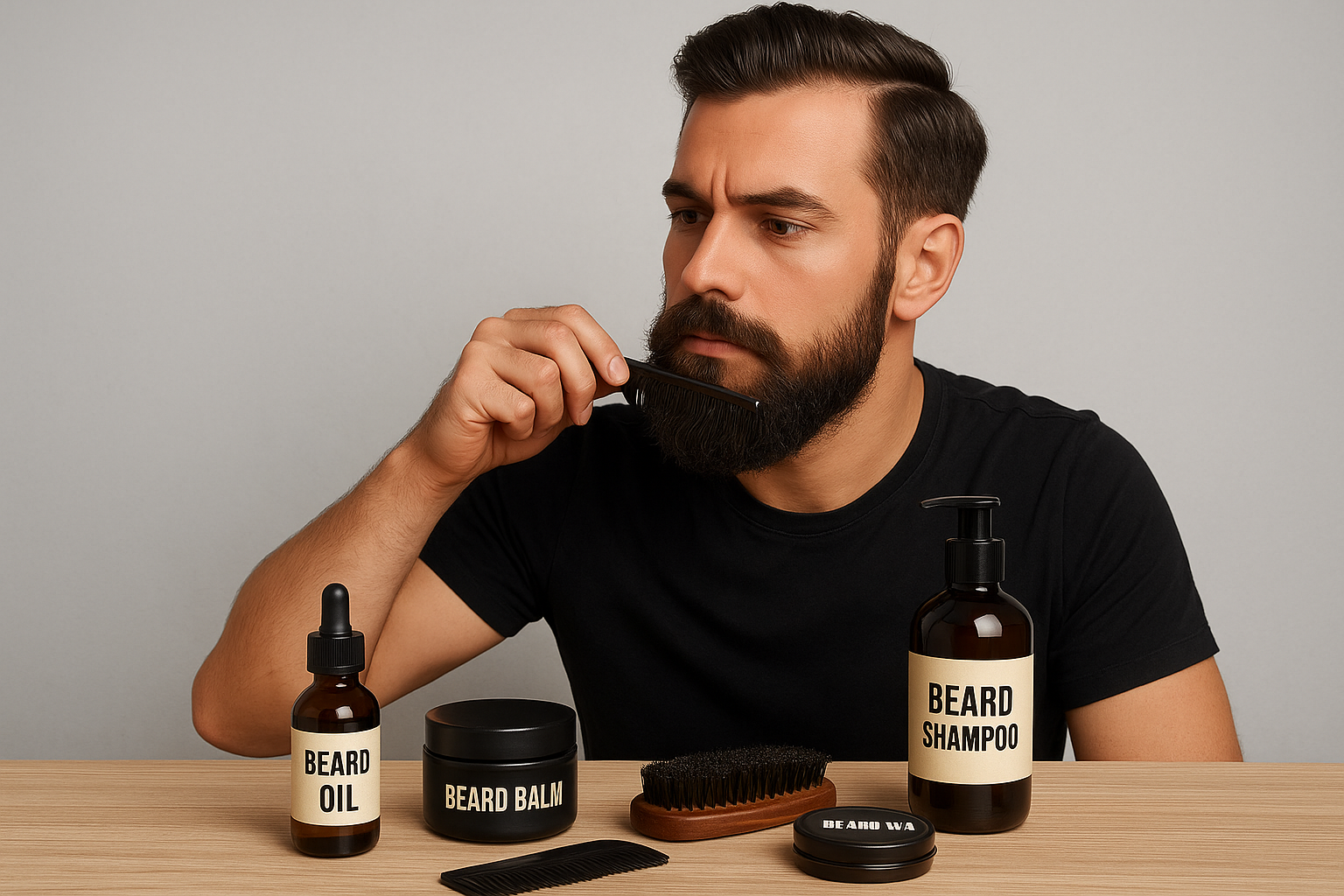
Related reading: beard oil vs beard balm and how to use shaving cream.
Frequently Asked Questions
Is lip balm edible?
No. The balm is a cosmetic product intended for use on the lips, not a food. Normal use may involve small incidental exposure, but the product should not be promoted for intentional consumption.
Does a natural balm automatically have a better safety profile?
No. Natural origin does not by itself establish safety or performance. The complete formula, ingredient levels, expected use, stability, manufacturing, and labeling all matter.
Can the same base be used for several men’s lip balm variants?
A qualified base may support several scent, finish, or packaging directions, but each final variant still needs review for compatibility and the intended market.
How much lip balm is safe to use in a day?
Use the amount needed to keep the lips comfortable and reapply when the film wears off. There is no benefit to thick, repeated layers; a thin, even application works better and feels less greasy.
Is petrolatum safe in a men’s lip balm?
Petrolatum is a widely used occlusive that reduces water loss from the lips. Whether it fits your range depends on your positioning and the claims you intend to make, so confirm it with the documentation and the target market’s rules.
Developing a Private Label Men’s Lip Balm
A useful ODM brief should define the target user, desired finish, climate, scent direction, packaging, target market, required documents, and order expectations. BUNJOIN can use these inputs to prepare suitable product options and a sampling path. To discuss a men’s balm project, contact BUNJOIN with your launch requirements.

Frequently asked questions
What is the typical MOQ for private label men's skincare?
Most skincare SKUs start at 1,000–5,000 units; sets and kits vary with their components.
Can the formula and actives be customized?
Yes — we adjust texture, key actives (for example niacinamide or glycerin) and fragrance to your brief and claims plan.
How long does skincare development take?
Feasibility and samples 1–3 weeks, production 3–6 weeks after approval, plus freight.