Men’s face cream ingredients should be selected as a system. Glycerin, hyaluronic acid, niacinamide, peptides, ceramides, squalane, and botanical extracts each play a different role, but no single ingredient can determine whether a cream feels light, absorbs well, remains stable, and supports the intended claims.
For a private label or ODM project, the useful question is not “Which ingredient wins?” It is “Which combination produces the required texture, finish, cost, packaging fit, and product story for the target customer?”
What this guide covers
- The Four Parts of a Men’s Face Cream Formula
- Glycerin vs. Hyaluronic Acid
- Niacinamide vs. Salicylic Acid
- Retinoid Direction vs. Peptide Direction
- Ceramides, Squalane, and Botanical Extracts
- How Men’s Face Cream Ingredients Map to Cost Tiers
- Choose the Texture Before Finalizing the Ingredient List
- Packaging and Stability
- Claims Should Follow the Finished Formula
- ODM Brief for a Men’s Face Cream
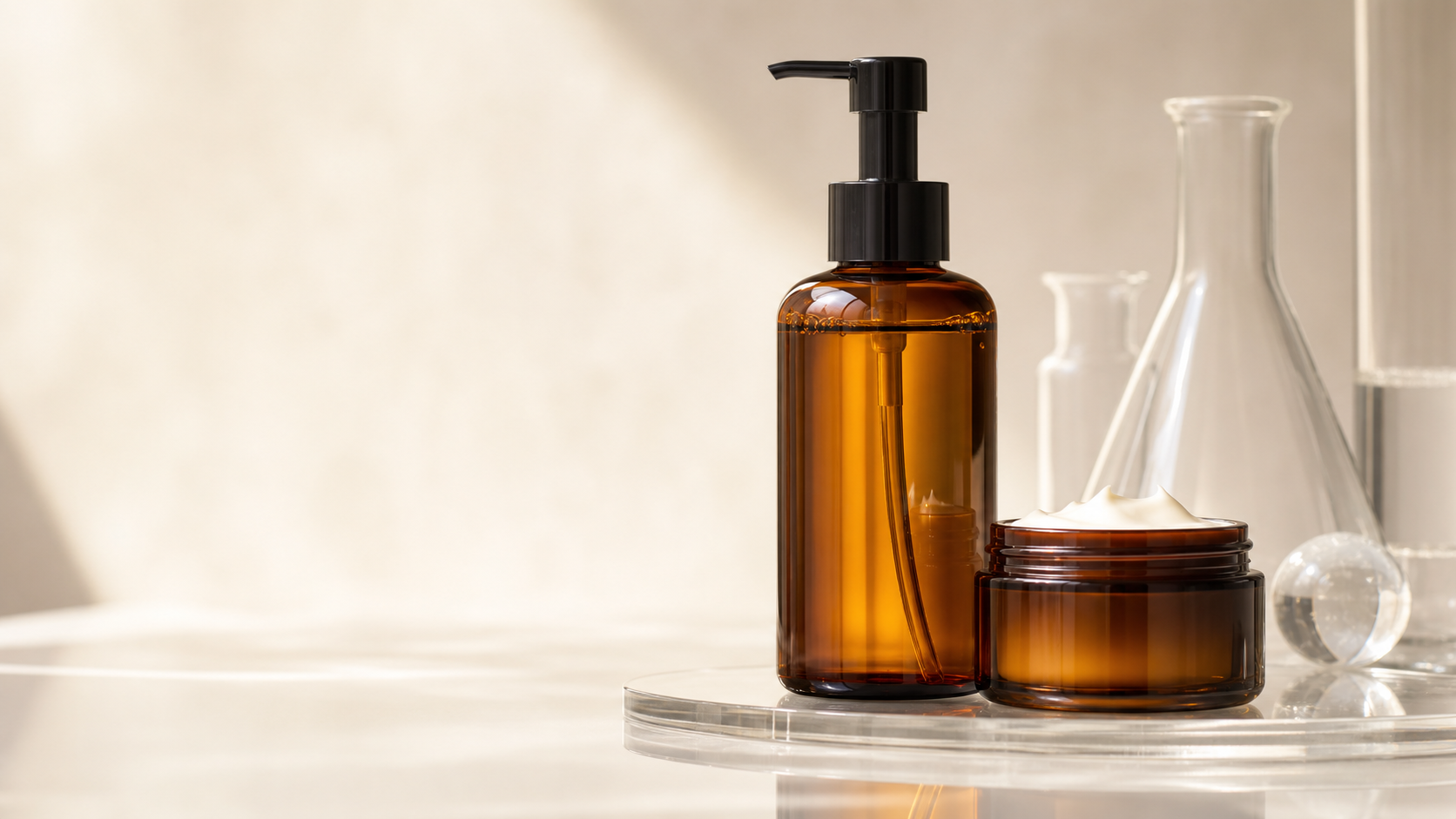
A face cream built as a system: jar texture, pump dispenser and lab-verified base — the pack is chosen with the formula, not after it.
TL;DR
- A men’s face cream formula splits into four jobs – hydration, active direction, barrier support, and texture – so decide the texture before locking the ingredient list.
- Glycerin vs. hyaluronic acid and niacinamide vs. salicylic acid are not either/or choices; pair them to the user’s skin concern and climate.
- Claims must follow the finished formula and stability test, not marketing wishes – write the ODM brief around a confirmed product concept.
The Four Parts of a Men’s Face Cream Formula
| Formula component | Role in the product | Examples to discuss |
|---|---|---|
| Humectants | Help the formula attract and retain water for a hydrated feel | Glycerin, hyaluronic acid systems, glycols |
| Emollients | Improve softness, slip, spreadability, and after-feel | Squalane, esters, plant-derived oils, silicones where suitable |
| Occlusive or protective components | Reduce moisture loss and create a richer finish | Waxes, butters, petrolatum alternatives, film-forming systems |
| Active and support ingredients | Provide the ingredient story and support defined cosmetic claims | Niacinamide, peptides, ceramides, antioxidants, botanical extracts |
The emulsifier, thickener, preservative, fragrance, chelator, pH adjuster, and other support materials are equally important. They determine whether the product can be manufactured consistently and remain acceptable through its planned shelf life.
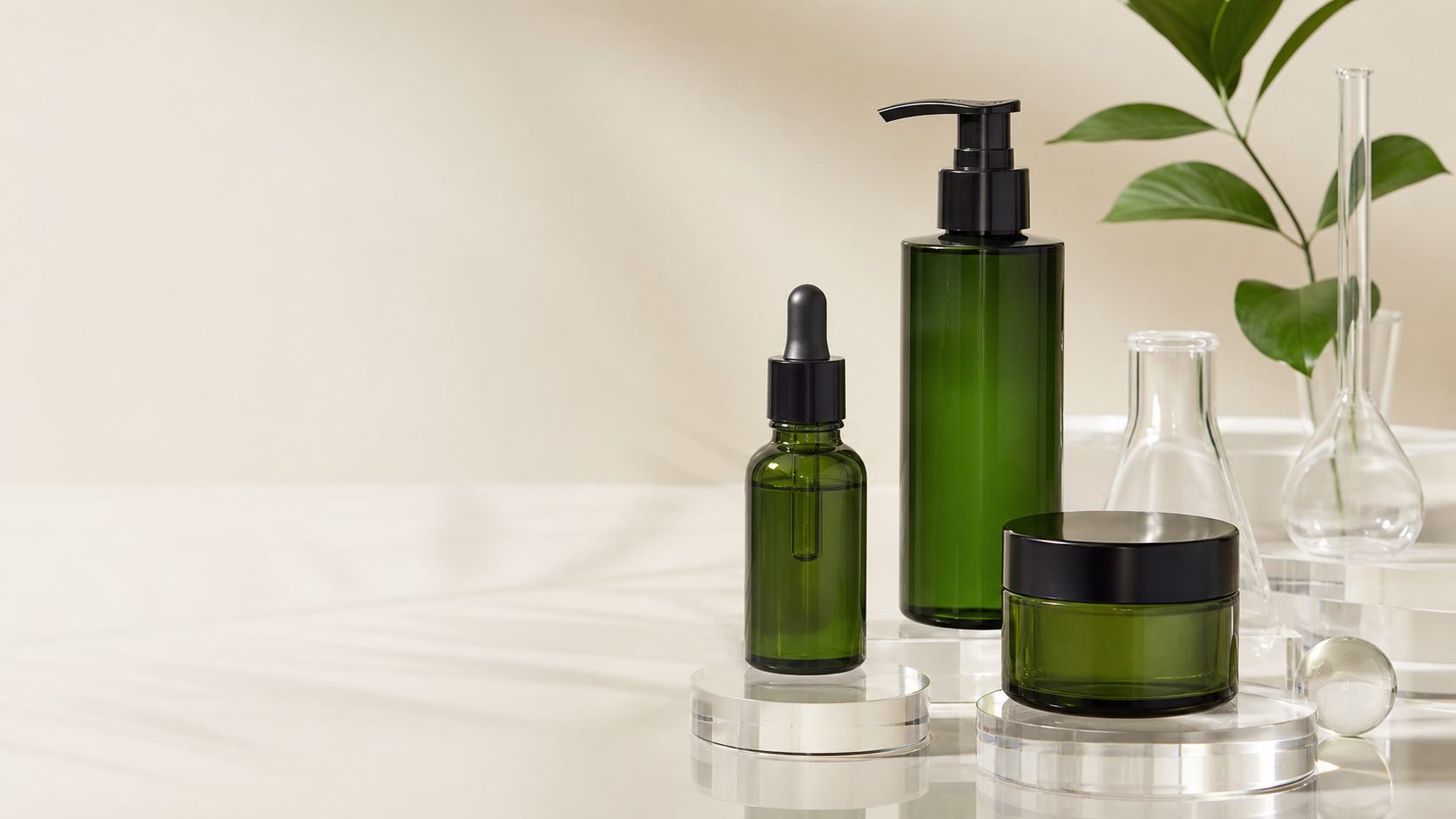
Fig. 1 — Humectants, emollients, actives and support materials are chosen together, then proven in the lab before sampling.
Glycerin vs. Hyaluronic Acid
Both are used in hydration-focused concepts, but they should not be treated as direct substitutes. This pair shows how men’s face cream ingredients trade cost against story: glycerin is a practical humectant used across many emulsions, while hyaluronic acid materials can support a premium hydration story and influence skin feel depending on the grade and formula.
A brand may use one or both. The final choice should consider tack, texture, cost, compatibility, supplier documentation, and the complete humectant system. A high-profile ingredient on the label does not replace the need for a balanced base.
Niacinamide vs. Salicylic Acid
Niacinamide may fit a daily moisturizer positioned around a more even-looking finish, oil-balance appearance, or barrier-support story. Salicylic acid is more closely associated with exfoliating and blemish-focused concepts and requires closer attention to product type, pH, use directions, and destination-market requirements.
They solve different formulation problems. A daily cream does not need salicylic acid simply because the target customer has oily skin, and a niacinamide cream should not promise every benefit associated with that ingredient. The claim plan and complete formula should determine the choice.
Retinoid Direction vs. Peptide Direction
A retinoid concept and a peptide concept can both support premium anti-aging positioning, but they create different formulation, packaging, use-direction, and communication requirements. The selected material, concentration, supplier guidance, stability, and market rules must be reviewed before either direction is approved.
For some brands, a peptide or other appearance-focused system may be easier to integrate into a daily cream. For others, a more specialized active direction may justify separate packaging and instructions. The decision should be based on the launch brief rather than a generic ingredient ranking.
Ceramides, Squalane, and Botanical Extracts
Ceramide Systems
Ceramide ingredients can support a barrier-care story, but the raw material form and complete lipid system matter. The brand should review supplier documentation, processing requirements, and the claim language planned for the finished cream.
Squalane
Squalane is often considered when a brand wants emollience and slip without an excessively heavy story. Its contribution depends on the level, the other oils and esters, and the target finish.
Centella and Other Botanical Extracts
Botanical extracts can provide a recognizable ingredient story. They also introduce questions about color, odor, solubility, supplier consistency, preservation, and claims. A long botanical list is not automatically better than one well-chosen extract supported by the full formula. Check each extract’s safety assessment in the Cosmetic Ingredient Review (CIR) library, and confirm the supplier can document consistent color, odor and actives content batch to batch.
How Men’s Face Cream Ingredients Map to Cost Tiers
The same brief can be built at three cost levels, and the ingredient list explains most of the difference. An entry-level cream relies on glycerin, standard emollient esters, and a preservative system that is easy to stabilize — inexpensive to manufacture and easy to keep consistent. A mid-tier build adds niacinamide, squalane, or a ceramide complex, which raises raw material cost but also strengthens the claim story. A premium build layers multiple actives, higher-grade botanical extracts, and sensory systems that need more stability work.
When you compare men’s face cream ingredients across supplier quotes, ask which tier each line sits in. A quote that looks cheap is usually a well-made entry-level formula — not a bargain premium one. Deciding the tier before sampling saves the most expensive kind of rework: reformulating a finished cream because the retail price could not support the ingredient deck.
Choose the Texture Before Finalizing the Ingredient List
Men’s face creams can be designed as a gel cream, lightweight lotion, standard cream, or richer balm-like emulsion. Each format changes how the ingredient system should be built, because the same men’s face cream ingredients behave differently in each base.
- Gel cream: fast-spreading, lower-oil feel for a lightweight concept.
- Light lotion: daily-use balance between hydration and low residue.
- Standard cream: more cushion and emollience for normal-to-dry positioning.
- Rich cream: stronger protective after-feel for dry-skin or night-care concepts.
The brief should also define shine, tack, absorption, fragrance, compatibility with facial hair, climate, and layering with other products. These sensory details often determine repeat use more directly than the number of active ingredients on the label.
Packaging and Stability
Jars, tubes, and airless pumps create different filling, dispensing, exposure, and cost requirements. Packaging should be selected with the formula, not after the formula is finished. A sensitive ingredient system may need stronger protection, while a very thick cream may not dispense well through every pump.
The development plan may assess appearance, odor, pH, viscosity, separation, microbial control, package interaction, and stability under agreed conditions. Any change to fragrance, active system, preservative, color, or packaging may require the relevant checks to be repeated.
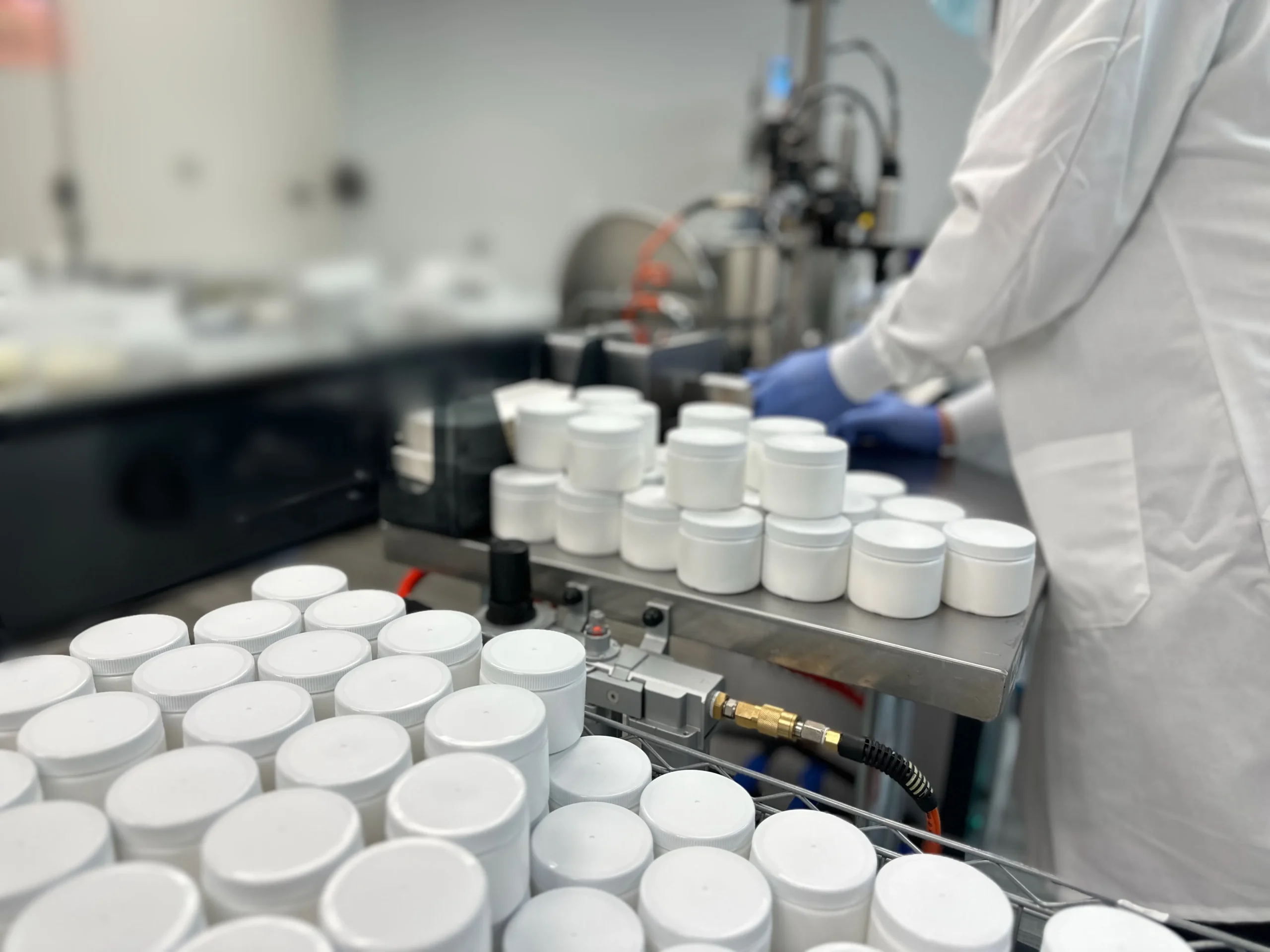
Fig. 2 — Filling and QC: the stage where package interaction and stability checks actually happen.
Claims Should Follow the Finished Formula
Ingredient marketing can support the product story, but claim wording should reflect the complete formula and available evidence. Avoid guaranteed results, medical treatment language, and unqualified statements that one ingredient “boosts collagen,” “shrinks pores,” or works for every skin type.
More precise cosmetic language may describe hydration, smoother-looking texture, reduced appearance of dryness, a lightweight matte finish, or a more refreshed appearance when those statements match the finished product and review plan. For the US market, align that plan with the FDA’s MoCRA guidance so claims, listing and records stay consistent.
ODM Brief for a Men’s Face Cream
A clear brief is what turns men’s face cream ingredients into a sample you can actually evaluate, and it is also what makes quotes comparable between suppliers. Work through it in this order:
- Choose daily moisturizer, anti-aging cream, eye-area cream, or another defined format.
- Describe the target user and the appearance or sensory concern.
- Set texture, finish, fragrance, pack size, and packaging format.
- List requested ingredients and explain the purpose of each.
- Provide destination market, target claims, required documents, cost, quantity, and timing.
- Approve samples using specific feedback on absorption, tack, shine, spreadability, fragrance, and after-feel.
For the wider skincare range, see BunJoin’s private label men’s skincare guide, and for the business-model side of the decision, our private label men’s grooming manufacturer guide. Brands can contact BunJoin with a benchmark product or written brief to develop a men’s moisturizer or anti-aging cream through the ODM process.
Frequently asked questions
What is the typical MOQ for private label men's skincare?
Most skincare SKUs start at 1,000–5,000 units; sets and kits vary with their components.
Can the formula and actives be customized?
Yes — we adjust texture, key actives (for example niacinamide or glycerin) and fragrance to your brief and claims plan.
How long does skincare development take?
Feasibility and samples 1–3 weeks, production 3–6 weeks after approval, plus freight.