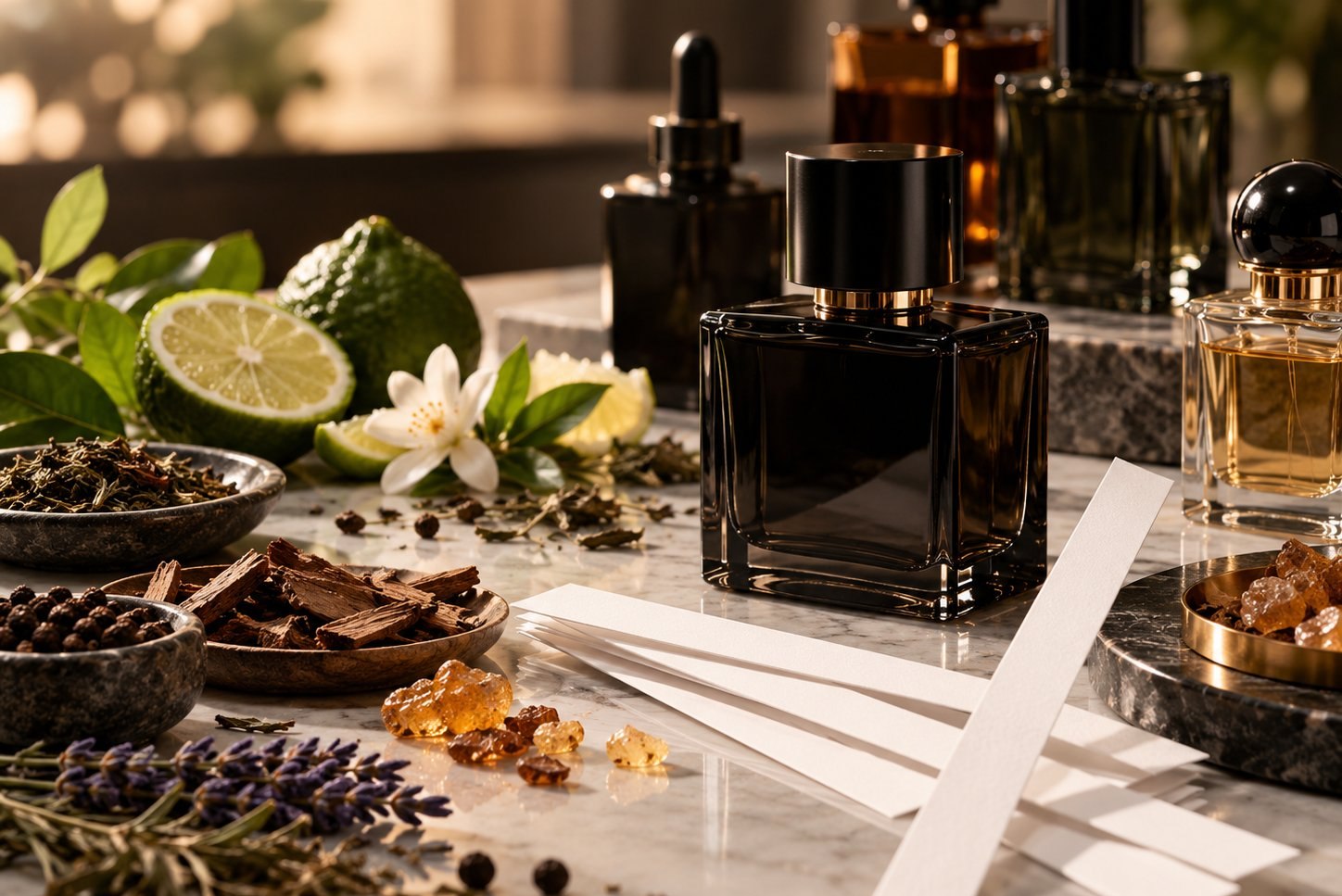
Fragrance selection can change how a men’s body care product is perceived before the user notices any other feature. A body wash may feel energizing, a hand cream may feel clean and understated, and a deodorant may reinforce a brand’s signature scent. The same fragrance, however, will not smell or perform identically in every product base.
The original version of this guide focused on fragrances that soften the harsh odor associated with hand sanitizer. That is still a useful formulation example: alcohol, surfactants, oils, waxes, and emulsions can each change how a fragrance opens, develops, and remains on skin. This expanded guide explains how brands can approach fragrance selection for men’s body wash, body lotion, deodorant, and hand cream.
What this guide covers
- Why Fragrance Selection Must Match the Product Base
- Six Fragrance Selection Directions
- How to Build a Fragrance Selection Brief
- Compatibility and Stability Checks
- Creating a Coordinated Men’s Body Care Range
- How to Choose Fragrance Selection for Personal Care Products
- Frequently Asked Questions
- Start with the Product, Then Choose the Scent
TL;DR
- Fragrance must match the product base and its pH/surfactant system, not be chosen from a mood board alone.
- Six fragrance directions (fresh, woody, citrus, herbal, aquatic, amber) map to different body-care positioning.
- Build a coordinated range and run compatibility/stability checks before finalizing the scent.
Why Fragrance Selection Must Match the Product Base
A fragrance brief should describe more than a preferred smell. It should identify the product format, expected use, target market, desired intensity, packaging, and any restrictions that apply in the sales market.
Body Wash
Body wash creates fragrance during use and rinse-off. The scent must remain recognizable in a surfactant system, produce the intended experience in warm water, and avoid an unpleasant change during stability testing. Fresh citrus, aromatic herbs, marine notes, and clean woods are common starting directions for men’s positioning.
Body Lotion and Hand Cream
Leave-on emulsions place fragrance close to the skin for longer periods. A lotion or hand cream therefore needs a controlled scent level that supports daily use without overpowering the user. The fragrance also needs to remain stable in the finished emulsion and compatible with the formula and packaging.
Deodorant Stick
A deodorant fragrance must work with the odor of the base and the product’s intended positioning. A clean aromatic profile may communicate freshness, while woods, amber, or spice can create a more premium identity. The finished product still needs stability and use testing because waxes, powders, and active systems can change fragrance perception.
Alcohol-Based Hand Products
High-alcohol products can smell sharp and can make certain fragrance notes open very quickly. A scent that smells balanced in a lotion may smell completely different in an alcohol-rich system. Solubility, clarity, odor development, packaging compatibility, and the product’s regulatory category all need to be assessed for the intended formula and market.
Six Fragrance Selection Directions for Men’s Hand and Body Care
1. Coconut and Lemongrass
Coconut adds a smooth, tropical character while lemongrass introduces a bright, clean edge. The combination can suit summer body washes, travel-oriented hand care, and casual lifestyle brands. A woody or green base can make the profile feel less sweet.
2. Mandarin and Rosemary
Mandarin gives immediate citrus freshness and rosemary adds an aromatic, herbal character. This pairing can work well in body wash, hand cream, and deodorant concepts positioned around an active or outdoors-focused routine.
3. Lavender with Clean Woods
Lavender can communicate calm and familiarity. Pairing it with cedar, vetiver, or another dry woody direction creates a more contemporary men’s profile. It is suitable for evening body care, hand cream, and grooming kits.
4. Peppermint and Aromatic Herbs
Peppermint creates an immediate cooling association, while herbs add depth. This direction fits refreshing wash-off products and post-workout concepts. The formula should be reviewed carefully for the intended body area and target user because a strong cooling sensation is not appropriate for every application.
5. Pink Grapefruit and Marine Notes
Pink grapefruit is crisp and slightly bitter rather than purely sweet. Combined with marine or mineral notes, it can support a modern clean scent for body wash, deodorant, and lightweight lotion.
6. Black Raspberry, Vanilla, and Amber
Black raspberry and vanilla create a richer, sweeter profile. Amber, soft woods, or musk can give the direction more depth and make it suitable for premium body lotion, winter hand care, or a coordinated fragrance set.
How to Build a Fragrance Selection Brief
- Product: Specify whether the fragrance is for body wash, lotion, deodorant, hand cream, or another format.
- Target customer: Define the user, market, price position, and expected daily routine.
- Scent direction: Describe the opening, heart, and dry-down rather than listing one note.
- Intensity: State whether the product should be nearly neutral, lightly scented, or part of a layered fragrance system.
- Restrictions: Provide market, ingredient, allergen, vegan, natural-positioning, or retailer requirements at the start.
- Reference products: Explain what should be similar and what should be different instead of requesting a direct copy.
Compatibility and Stability Checks
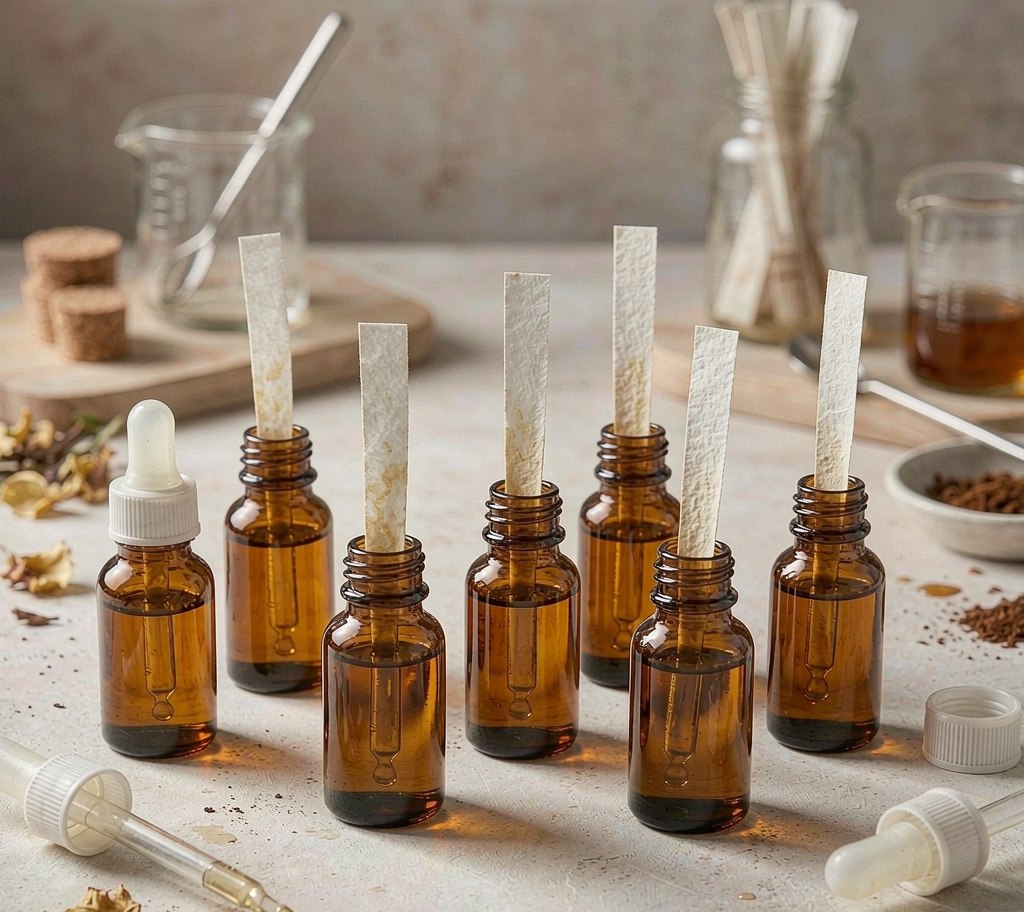
Good fragrance selection does not end with the scent strip. The finished product should be evaluated for odor, color, clarity, viscosity, separation, packaging interaction, and performance over the planned stability program. Brands should also request the documents needed for their market and product category, which may include an SDS, allergen information, and an IFRA certificate or supporting statement for the intended application.
The U.S. FDA notes that fragrance ingredients in cosmetics must meet the same safety requirements as other cosmetic ingredients, and that companies marketing cosmetics are responsible for product safety and correct labeling. See the FDA’s guidance on fragrances in cosmetics. The IFRA Standards provide restrictions, prohibitions, and specifications for certain fragrance materials; they do not replace the laws that apply in the destination market.
Creating a Coordinated Men’s Body Care Range
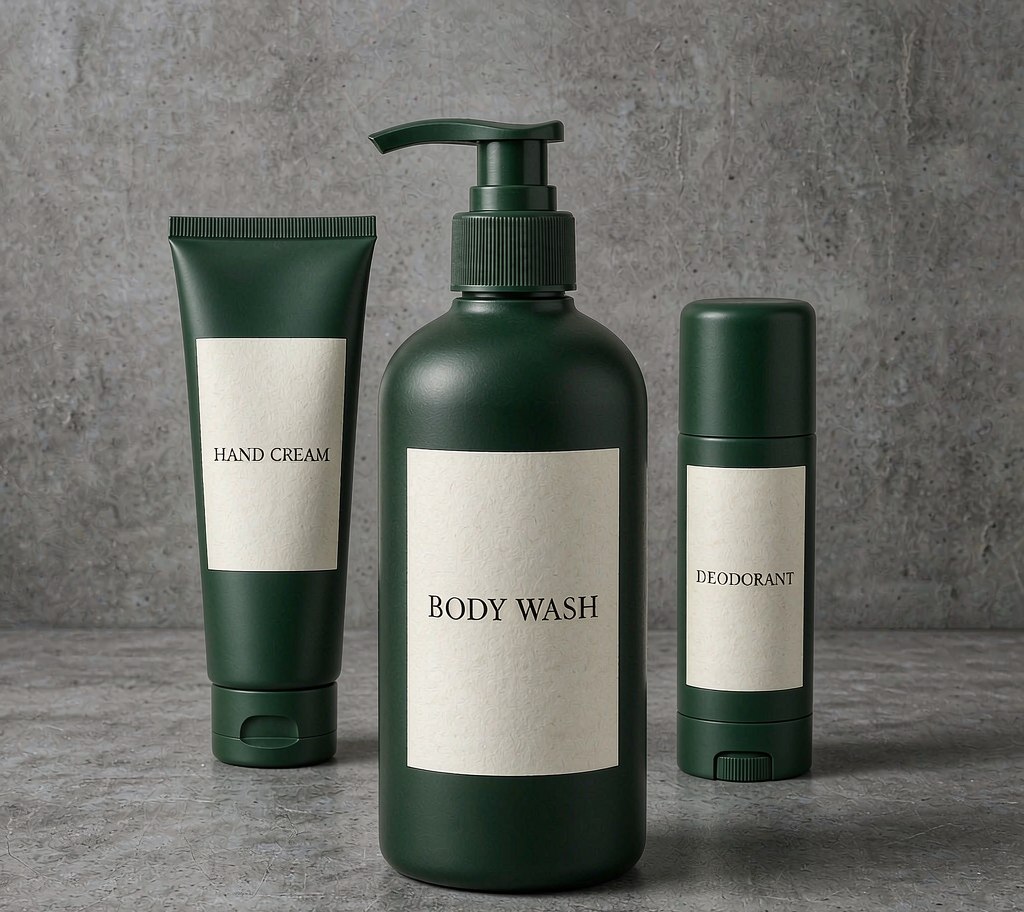
A coordinated range does not require every product to use the fragrance at the same level. A body wash can deliver the strongest scent during use, a lotion can provide a controlled dry-down, and a deodorant can reinforce the clean or aromatic direction. Hand cream can use a lighter variation for frequent application.
During ODM development, BUNJOIN can use one approved scent direction as the starting point for several product formats, then adjust the formula and fragrance level according to each base, packaging format, target market, and stability result. This creates a recognizable family while respecting the practical differences between wash-off and leave-on products.
How to Choose Fragrance Selection for Personal Care Products
Choosing fragrances for personal care products starts with the finished product, not with a scent strip. The same fragrance can open differently in a body wash, remain longer in a lotion, or become sharper in an alcohol-rich base. A useful fragrance brief therefore combines the desired scent direction with the product format, target customer, sales market, packaging, and required documentation.
Match the Fragrance to the Product Format
| Product format | Main selection priority | What to evaluate in samples |
|---|---|---|
| Body wash | A recognizable scent during use without disrupting the surfactant base | Odor in warm water, clarity, color, viscosity, and scent after rinsing |
| Body lotion or hand cream | A controlled dry-down suitable for repeated leave-on use | Initial scent, dry-down, emulsion stability, packaging interaction, and skin feel |
| Deodorant stick | Compatibility with waxes, powders, and the base odor | Application odor, residue, product hardness, fragrance change, and packaging fit |
| Solid cologne | Balance between fragrance character, balm texture, and controlled release | Payoff, scent development, sweating or graininess, and container compatibility |
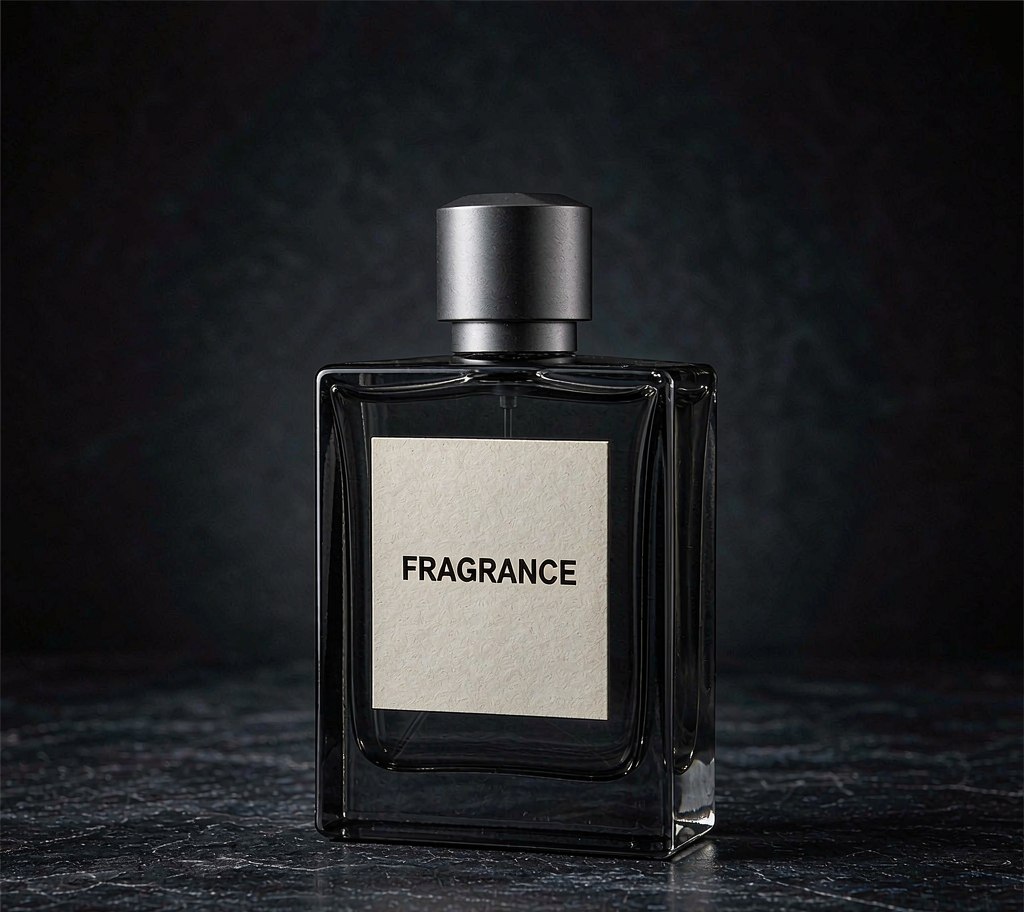
| Eau de parfum | A coherent top, heart, and base structure for the intended positioning | Opening, dry-down, color, clarity, packaging, and stability under the planned test conditions |
Turn a Scent Idea into a Manufacturer Brief
A request such as “fresh and premium” is too broad for efficient development. A manufacturer can work faster when the brand defines the product, customer, market, price position, fragrance family, desired intensity, notes to avoid, reference products, and packaging. The brief should also state whether the scent must coordinate across several products or stand alone.
- Product and use: Identify the exact product format and where it will be applied.
- Target market: State the destination countries because labeling and fragrance restrictions depend on the market and application.
- Scent direction: Describe the opening, heart, and dry-down, together with any notes that should be avoided.
- Intensity: Define whether the product should be lightly scented, clearly noticeable, or designed for fragrance layering.
- Brand position: Explain the customer, retail channel, target price, and the impression the finished product should create.
- Documentation: List the technical and compliance documents required for the intended product and market.
Evaluate the Finished Formula, Not Only the Fragrance Oil
Approval on a blotter does not prove that a fragrance will perform in production. Brands should compare fragrance directions in the intended base, select a preferred sample, and then review the finished formula through the planned stability and packaging program. Evaluation may include odor, color, clarity, viscosity, separation, container interaction, and scent development over time.
For a coordinated men’s grooming range, one approved scent direction can be adapted across body wash, lotion, deodorant, hand cream, solid cologne, or eau de parfum. The fragrance level and sometimes the composition still need adjustment for each base. This approach creates a recognizable family without assuming that one formula can be copied unchanged across every product.
Fragrance Selection with BUNJOIN
BUNJOIN is a men’s grooming product development and supply chain partner founded in 2013 and based in Guangzhou, China, supplying brands in the USA, Europe and other global markets. Capabilities cover product development, formulation, packaging, compliance documentation, manufacturing, quality control and logistics.
Fragrance selection is treated as a formulation decision rather than a finishing touch. The scent has to sit correctly in the base and stay stable: a surfactant system in a body wash, an emulsion in a lotion or hand cream, a wax base in a deodorant stick, or a high-alcohol system in a hand product. Compatibility, stability and discolouration checks come before the scent is approved.
Fragrance levels are set against the applicable limits for a leave-on or rinse-off product, and the fragrance documentation is prepared so it supports the intended markets. Related reading: beard oil vs beard balm and how to use shaving cream.
Frequently Asked Questions
Can one fragrance be used in body wash, lotion, and deodorant?
It can be used as a common creative direction, but the fragrance level and sometimes the fragrance composition need adjustment for each product base. Every finished formula still requires compatibility and stability review.
Should a men’s product always smell woody?
No. Citrus, aromatic herbs, marine notes, soft gourmand profiles, and fragrance-free positioning can all work. The right choice depends on the brand, user, market, and product format.
What documents should a brand request for fragrance development?
The list depends on the product and market. Common requests for a documented fragrance selection include an SDS, allergen information, technical specifications, and appropriate IFRA documentation for the intended application.
How much fragrance should a men’s body wash contain?
Enough to be noticeable in use without becoming overpowering in a hot shower. The practical level depends on the fragrance, the surfactant system and the intended market, so it is set during development and confirmed by stability testing.
Can one fragrance work across body wash, lotion and deodorant?
Often yes, and it is a common way to build a coordinated range. Each product still needs its own compatibility and stability review, because the same fragrance behaves differently in a rinse-off surfactant base than in an emulsion or a stick.
Start with the Product, Then Choose the Scent
The best fragrance is not simply the one that smells strongest on a sample strip. It is the one that supports the product’s function, remains stable in the finished formula, fits the target customer, and can be documented for the intended market. Brands planning a coordinated men’s hand and body care range can contact BUNJOIN with their product list, scent direction, target market, and packaging requirements.
Frequently asked questions
What is the typical MOQ for private label fragrance?
EDP, EDC and solid balm usually start around 1,000–3,000 units; refill and gift formats vary.
Can the scent be customized to a brief?
Yes — we build the accord from your scent brief (woody, fresh, citrus, amber and so on) and set concentration to cost and market.
How long does fragrance production take?
Scent development and samples 1–3 weeks, production 3–6 weeks after approval.