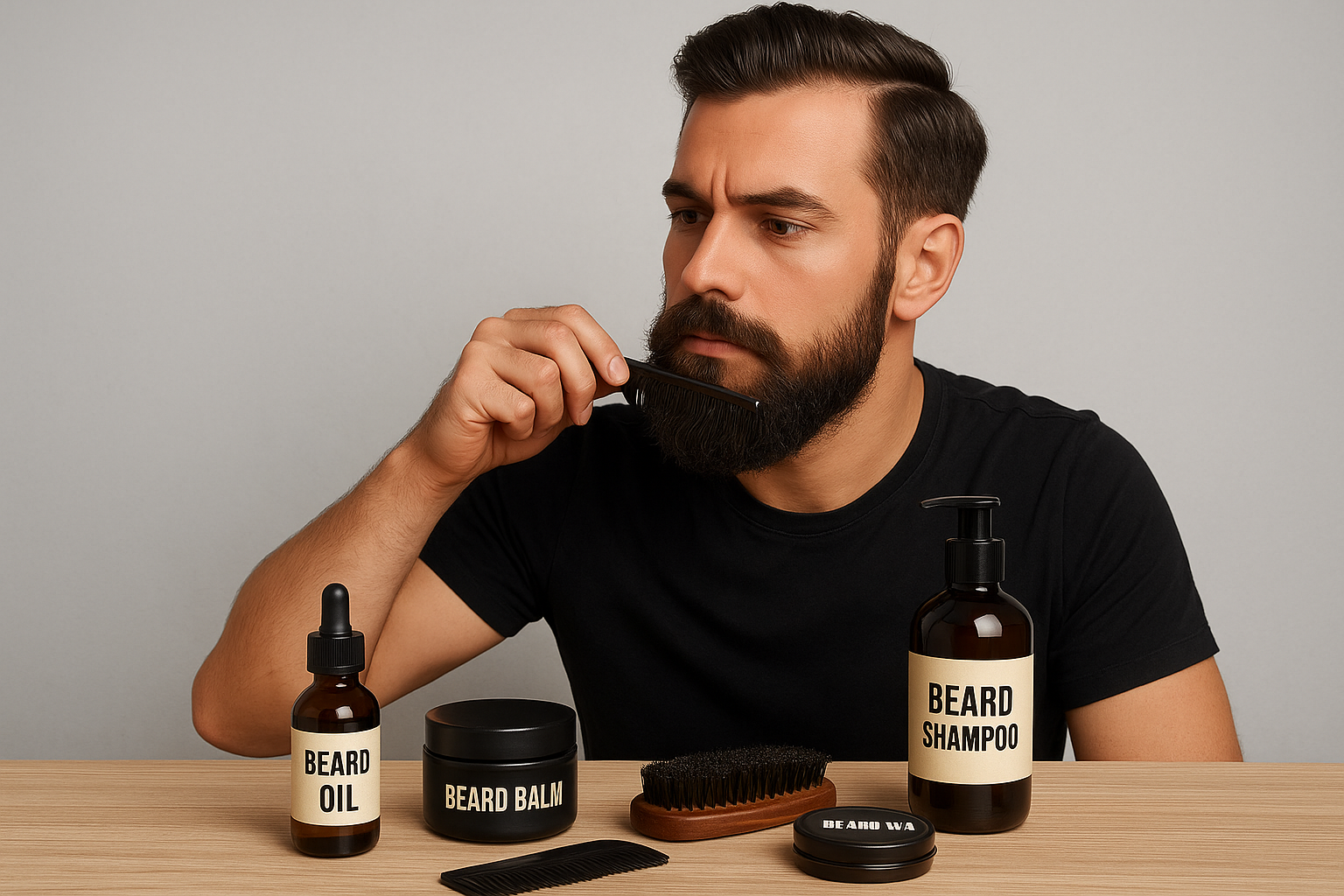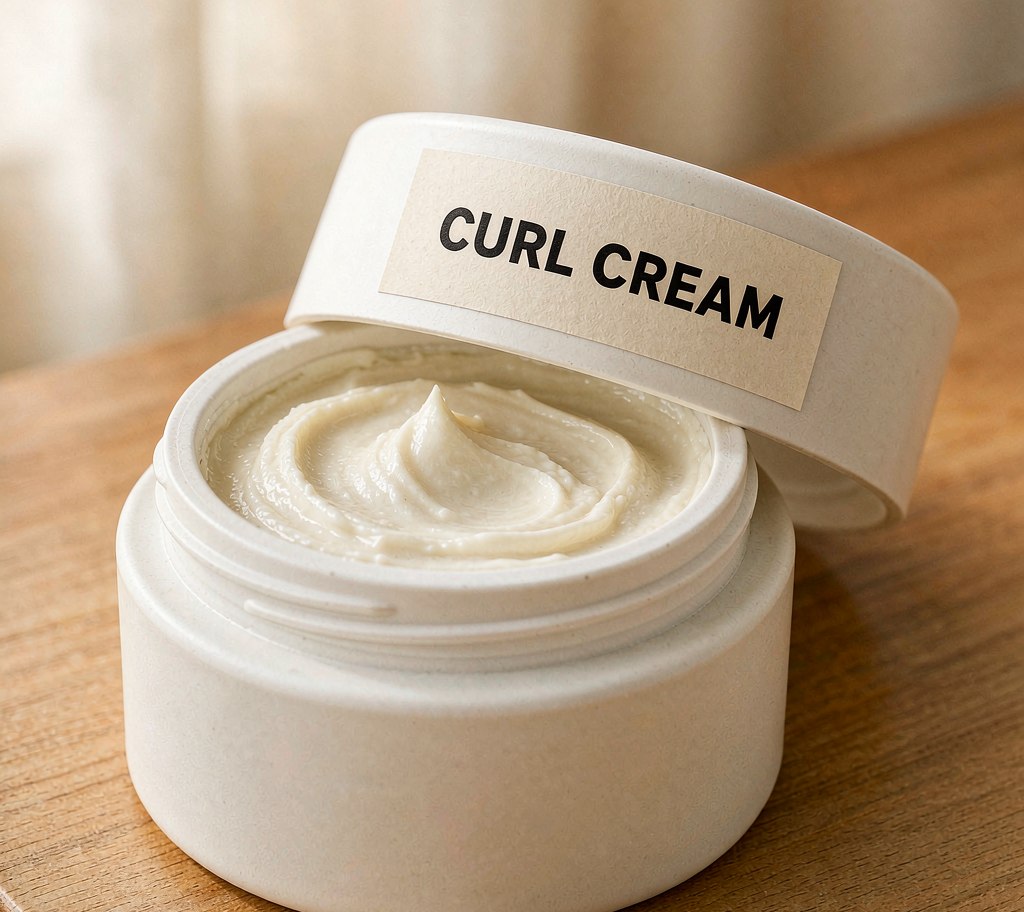
Double cleansing is the simplest upgrade a men’s skincare brand can build into a range: one oil-based cleanser to dissolve sunscreen, sebum and pollution, followed by one water-based cleanser to remove sweat and residue. Because men’s skin produces more sebum on average, the two-step method solves a real problem instead of adding ritual for its own sake.
Short answer: Double cleansing removes oil-based and water-based debris in two passes, so pores stay clear and follow-on products absorb better. For brands, it is also one of the cleanest two-SKU systems to develop: the formulas are well understood, sampling is fast, and the routine itself gives you a marketing story that does not depend on a claim you cannot substantiate.
TL;DR
- Double cleansing removes sunscreen/sebum in two steps: an oil/first cleanser, then a water-based second cleanser.
- Men’s skin responds well because the first step dissolves buildup the second alone misses.
- A brand must decide format, claims, and testing before sampling; build a range with BUNJOIN.
1. What Double Cleansing Actually Removes
Double cleansing is a two-step method built on one piece of chemistry: oil dissolves oil. A water-based wash alone cannot fully break down sunscreen filters, hardened sebum, or the waxy film left by styling products, so the second step starts from a surface that is still partly soiled.
The two passes do different jobs:
- Step 1 — oil-based cleanser. Cleansing oils and balms dissolve sebum, sunscreen, pollution particles and product build-up. Applied to dry skin and emulsified with water, they rinse away the oil-soluble layer.
- Step 2 — water-based cleanser. Gels, creams and foams remove sweat, dust and whatever the first step loosened, leaving skin genuinely clean rather than merely degreased.
Together the pair reaches both classes of debris. That is the whole argument for double cleansing, and it is why the method has moved out of beauty-editor columns and into men’s routines.
2. Why Men’s Skin Responds to Double Cleansing
2.1 Higher sebum output
Testosterone drives higher sebum production, which makes men’s skin more prone to clogged pores, blackheads and breakouts along the jawline and T-zone. A single gel wash leaves part of that load behind; double cleansing clears it in the first pass.
2.2 Daily exposure load
Commuting, training and outdoor work deposit particulate pollution and sweat on the skin every day. Double cleansing handles oil-bound particles and water-soluble grime in sequence instead of compromising between them.
2.3 Sunscreen and grooming residue
Modern sunscreen filters are designed to stay on the skin. beard oil, moisturisers and styling residue behave the same way. The oil step melts that film so the second step can reach the skin itself.
2.4 Better absorption of what follows
Clean skin absorbs more evenly. When pores are blocked, serum and moisturiser sit on the surface and the user blames the product rather than the routine — which is exactly the kind of review a young brand cannot afford.
3. The Two-Step Routine, Step by Step
Keep the routine short enough that men will actually follow it. The full version takes about two minutes at night.
- Apply the oil cleanser to a dry face and dry hands.
- Massage for 30–60 seconds, concentrating on the T-zone.
- Add a little water; the formula emulsifies and turns milky.
- Rinse with warm water — not hot, which strips the barrier.
- Apply the water-based cleanser to damp skin and lather.
- Rinse with lukewarm water and pat dry with a clean towel.
Once a day at night is enough for most skin types. Dry or sensitive skin can start two or three nights a week and build up; morning cleansing can stay as simple as water or a light gel.
4. Formulation Options for Each Step
Each step has a small number of well-established format choices. The decision is less about novelty and more about texture, skin feel and the audience you are selling to.
| Step | Format | Typical base | Best for | Brand positioning |
|---|---|---|---|---|
| Step 1 | Cleansing oil | Light esters, grapeseed or sunflower oil, emulsifier | Oily and combination skin | “Dissolves sunscreen, no residue” |
| Step 1 | Cleansing balm | Shea or synthetic wax base, richer oils | Dry or mature skin | “Comfort cleanse, barrier-friendly” |
| Step 2 | Gel cleanser | Mild surfactants, glycerin, humectants | Oily and acne-prone skin | “Deep clean without tightness” |
| Step 2 | Cream or milk cleanser | Low-foam surfactants, emollients | Dry and sensitive skin | “Gentle enough for daily use” |
| Step 2 | Foaming cleanser | Amino-acid or sulfate-free surfactant system | Normal to combination skin | “Fast rinse, fresh finish” |
For sensitive-skin positioning, keep the first step fragrance-free and specify squalane or a similarly inert carrier. For acne positioning, the second step can carry salicylic acid — but note that in the US an anti-acne positioning moves the product toward drug classification, so confirm the claim set with your manufacturer before you write the label. The FDA cosmetics labeling guide sets out how claims and ingredient declaration interact.
5. What a Brand Must Decide Before Sampling
A double cleansing pair is cheap to sample and quick to revise, which makes it a good first development project. The brief, however, has to answer six questions before a lab can quote accurately:
- Skin type and audience. Oily, dry, sensitive or combination — and whether the user is a gym-goer, a commuter, or both.
- Step 1 texture. Fluid oil or solid balm; this drives the wax system, the packaging and the fill temperature.
- Step 2 surfactant system. Sulfate-free, amino-acid based, or a low-foam cream system.
- Fragrance direction. Woodsy, citrus, or fragrance-free. Fragrance must be assessed against IFRA use limits for a leave-on-adjacent product.
- Packaging. Pump, tube or jar for step 1; tube or pump for step 2. Matching closures across the pair strengthens the shelf story.
- MOQ per SKU. Two SKUs double the number of component minimums you must clear, so confirm bottle, closure and carton minimums separately.
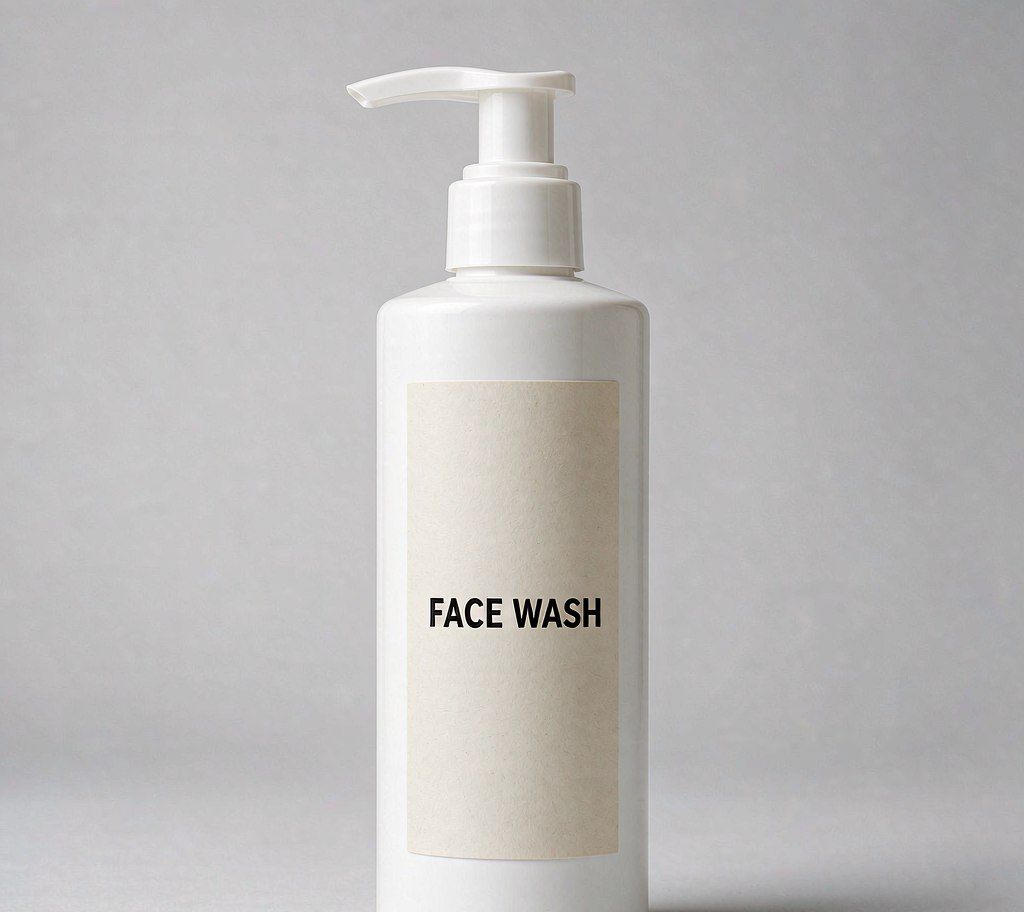
Most founders underestimate the packaging half of that list. Bottle and closure minimums, printing minimums and formulation minimum batch sizes are three different numbers, and the largest of them sets your real entry quantity. Our face wash vs. soap formulation guide covers the same decision set for the single-step alternative.

6. Common Questions About Double Cleansing
Does double cleansing work if you do not wear makeup?
Yes. Double cleansing was never about makeup; it is about removing sunscreen, sebum, pollution and product residue. Anyone who wears SPF or beard oil benefits from the first step.
Will double cleansing dry out the skin?
Not with the right pair. Harsh, alcohol-heavy formulas cause tightness; a balanced oil step followed by a pH-appropriate, sulfate-free second step does not. Follow with a moisturiser while the skin is still slightly damp.
Can one product do both steps?
Some “hybrid” cleansers claim to, but they compromise on one class of debris. If you are building a range, two clear SKUs sell the routine better than one compromised product.
Building a Double Cleansing Range with BUNJOIN
BUNJOIN is a men’s grooming product development and supply chain partner founded in 2013 and based in Guangzhou, China, serving brands in the USA, Europe and other global markets. Our capabilities cover product development, formulation, packaging, compliance, manufacturing, quality control and logistics.
For a double cleansing project we typically work in three stages: a formulation brief that fixes texture, skin feel and fragrance direction; two to three sample rounds with stability and compatibility testing on your chosen packaging; then bulk filling under GMP with the documentation set your market requires. Because our private label programs start at low minimums, brands can launch the pair as a two-SKU system instead of committing to a full range on day one.
If you are planning a cleansing line, review our OEM/ODM product range or contact our team with your brief.
FAQ
How often should men double cleanse?
Once a day at night suits most skin types. Dry or sensitive skin should start with two or three sessions a week and increase only if the skin stays comfortable; the morning cleanse can remain a quick water rinse.
Do you need two different bottles?
Yes, because the two steps differ in viscosity and fill temperature. A pump or tube suits the oil step, while a tube or pump for the gel step keeps the pair visually consistent on shelf.
Can a brand launch with only one of the two steps?
It can, and many do — usually the oil cleanser, because it solves the sunscreen problem most visibly. The second SKU then becomes a natural follow-on purchase once reviews confirm the first.
What testing does a cleansing pair need?
At minimum stability testing, microbiological challenge testing, and packaging compatibility checks on fill accuracy and seal integrity. Add fragrance allergen assessment if the formula is scented.
Frequently asked questions
What is the typical MOQ for private label men's skincare?
Most skincare SKUs start at 1,000–5,000 units; sets and kits vary with their components.
Can the formula and actives be customized?
Yes — we adjust texture, key actives (for example niacinamide or glycerin) and fragrance to your brief and claims plan.
How long does skincare development take?
Feasibility and samples 1–3 weeks, production 3–6 weeks after approval, plus freight.