Face wash and facial soap both clean the skin, but they differ sharply in formulation, skin feel, and positioning—and for men’s skincare brands, that difference defines who each product is for. Cleansing is the foundation of any routine, yet choosing between the two formats is a common point of confusion. This guide compares face wash and facial soap in detail and shows how each one fits a private label development plan.
TL;DR
- Face wash is the gentler daily cleanser; facial soap is the traditional, often richer option.
- Head-to-head, choose by skin type, packaging, and channel – soap can be plastic-light but less travel-friendly.
- Private label takeaway: build a cleansing range around the customer, not the format name.
1. Face Wash: The Gentle Option
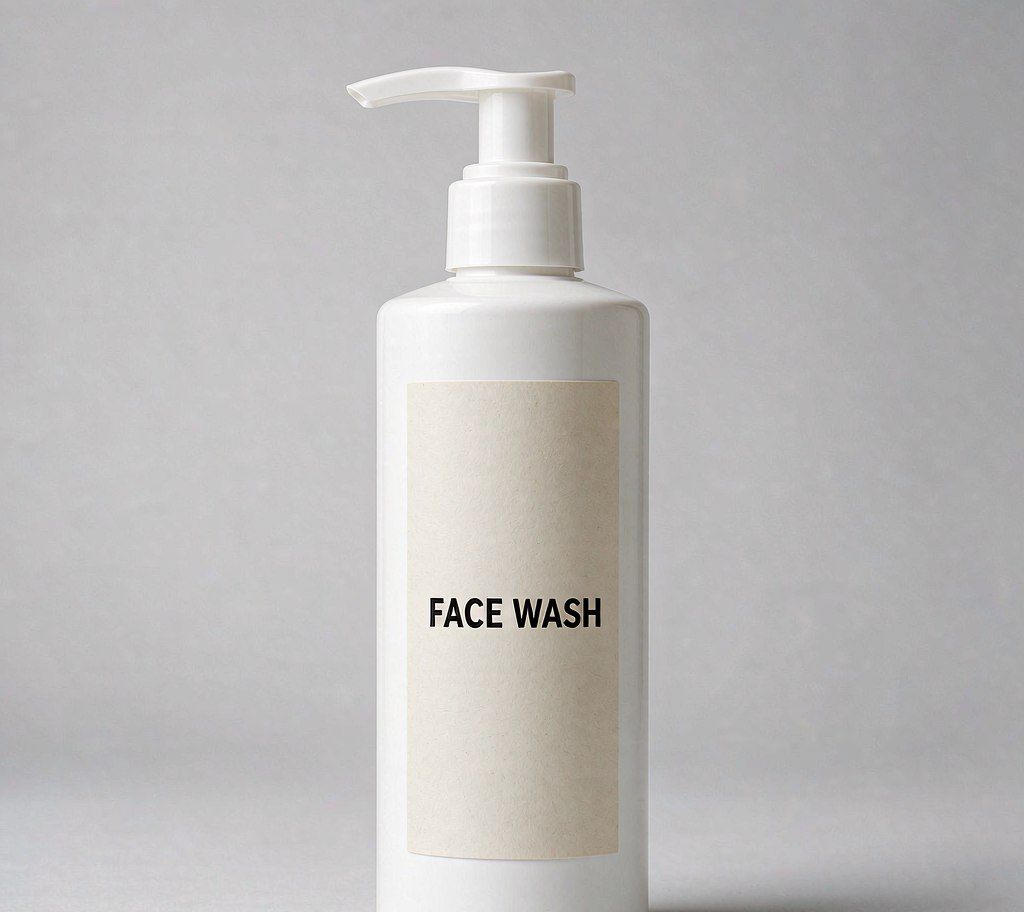
A face wash typically comes in liquid or cream form and often contains a mix of water, surfactants, moisturizing agents, and other skincare ingredients such as botanical extracts or vitamins. Here are the main benefits of using a face wash:
- Gentle cleansing: Most face washes are formulated to be mild and effective without stripping the skin’s natural oils. This makes them suitable for most skin types, especially dry, sensitive, or mature skin, which can be more vulnerable to irritation.
- Hydrating: Many formulas include moisturizing ingredients like glycerin, hyaluronic acid, or aloe vera, which help lock in moisture. This is particularly beneficial in dry weather or for skin that loses moisture quickly, as a face wash helps prevent that tight, dehydrated feeling after cleansing.
- Ease of use: Face washes are incredibly easy to use. Most create a rich lather and require no additional tools—simply lather with the hands and apply. They are typically designed for use with warm water, leaving the skin refreshed without greasy residue.
- Variety for different skin types: Gel, foam, cream, and exfoliating types are all available, catering to oily, dry, combination, or acne-prone skin. Whatever the skin need, there is a face wash formula suited to it.
2. Facial Soap: The Traditional Cleanser
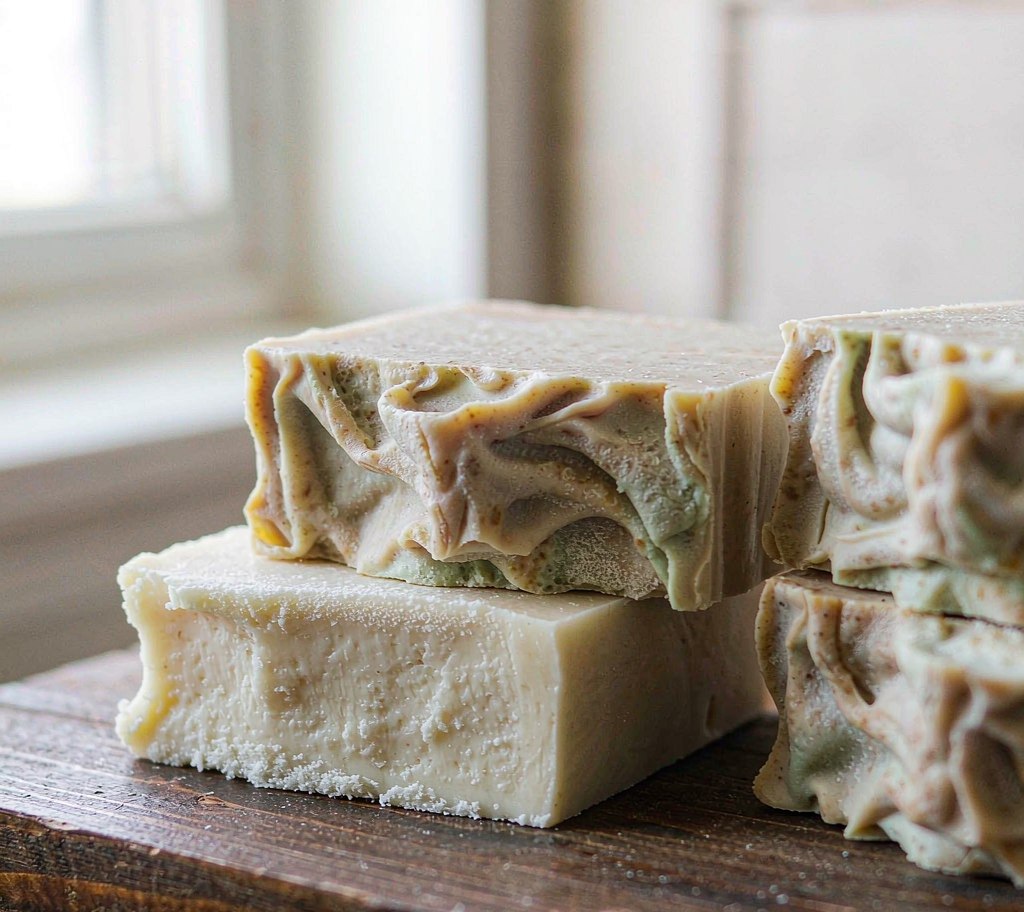
Facial soap, in contrast, is a solid product made from fats or oils mixed with alkaline substances like lye. Here are the key benefits of using facial soap:
- Strong oil removal: Facial soaps are often more alkaline and can deeply cleanse the skin, making them especially effective at removing oil, dirt, and impurities. This makes them a strong choice for oily or acne-prone skin, where deeper cleansing helps balance excess oil.
- Effective deep cleaning: Soap tends to have a more powerful cleansing effect, capable of removing not just dirt but also makeup residue and sunscreen. For users who wear makeup regularly, soap may offer a deeper clean than a typical face wash.
- Different skin feel: After using soap, many people report tightness or dryness, because its alkaline nature can strip natural oils. This may be fine for oily skin, but it can cause discomfort for dry or sensitive skin. Following up with a moisturizer helps avoid post-cleansing dryness.
- Natural ingredients: Many facial soaps use natural oils like olive oil, coconut oil, or shea butter, which can be gentler than synthetic ingredients. However, because of soap’s high pH, it is not ideal for everyone—especially dry or sensitive skin types that may react to the alkalinity.
3. Face Wash vs. Soap: Head-to-Head Comparison
| Feature | Face Wash | Facial Soap |
|---|---|---|
| Form | Liquid or cream | Solid bar |
| pH profile | Closer to skin’s natural pH | More alkaline |
| Best for | Dry, sensitive, or mature skin | Oily or acne-prone skin |
| Hydration | Often added (glycerin, aloe) | Minimal; can feel tightening |
| Cleansing depth | Everyday dirt and light residue | Deep clean, removes buildup |
| Packaging | Bottles and pumps | Minimal packaging, more sustainable |
4. How to Choose?
- Consider skin type
- Dry, sensitive, or mature skin: A face wash is generally the better option. It cleans effectively without stripping moisture, and many formulas are designed to be hydrating.
- Oily or acne-prone skin: Facial soap may be the better choice due to its stronger oil-control properties, helping remove the oils and impurities that contribute to clogged pores and breakouts.
- Cleaning power
- Light cleaning needs: For a simple, gentle clean with hydration, face wash does the job. Most are formulated for daily use, removing dirt and light residue.
- Heavy-duty cleaning: For heavy sunscreen use or high-pollution environments, facial soap can provide a deeper cleanse and more thorough impurity removal.
- Personal preference
- Users who prefer something quick, easy, and moisturizing will likely favor face wash, especially options with soothing agents or antioxidants.
- Users drawn to natural or eco-friendly products may prefer facial soap, which typically requires less packaging and comes in more natural formulations.
5. Private Label Takeaway for Brands
For men’s skincare brands, the two formats serve different customer segments rather than competing directly. A face wash line covers daily cleansing and hydration claims, while a soap or bar line answers demand for natural formulations and sustainable packaging. Ingredient choices for both should respect safety assessments published by the Cosmetic Ingredient Review (CIR), and products sold in the United States must comply with federal requirements under the Modernization of Cosmetics Regulation Act (MoCRA). Related reading: our private label bar soap buying guide and the full private label men’s skincare development guide.

Building a Cleansing Range with BUNJOIN
BUNJOIN is a men’s grooming product development and supply chain partner founded in 2013 and based in Guangzhou, China, supplying brands in the USA, Europe and other global markets. Capabilities cover product development, formulation, packaging, compliance documentation, manufacturing, quality control and logistics.
For cleansing ranges, development defines the format (pump, tube or bar), the surfactant system, the pH target, the fragrance level and the packaging component. A face wash and a bar soap can sit in the same range when the brief sets a clear difference in use and positioning.
Related reading: private label bar soap and men’s hair wax formulation
6. Conclusion
Both face wash and facial soap have their own benefits, and which one is better depends on skin type, specific needs, and personal preferences. For gentle, hydrating cleansing that works for a wide variety of skin types, face wash is the way to go. For oily skin or a more powerful deep clean, facial soap may be the right choice. The key is understanding the skin’s needs—and for brands, building a line that matches them.
FAQ
Is bar soap bad for the face?
Not inherently, but many bar soaps are more alkaline and can leave facial skin feeling tight after cleansing. A product formulated for the face is the safer daily choice.
Can men with oily skin use facial soap?
Yes, provided the formula does not over-strip the skin, because harsh cleansing can make oil more visible afterwards.
Which is better for dry skin?
Usually a face wash with humectants and a pH closer to skin, rather than a traditional alkaline soap.
How often should men wash their face?
Typically twice a day, with an extra cleanse after heavy sweating. Over-cleansing is a common cause of dryness and irritation.
Ready to build this under your own brand?
BunJoin develops and manufactures private label men’s grooming & skincare — formula, packaging, MOQ and compliance (MoCRA/FDA) handled end to end.
Frequently asked questions
What is the typical MOQ for private label men's skincare?
Most skincare SKUs start at 1,000–5,000 units; sets and kits vary with their components.
Can the formula and actives be customized?
Yes — we adjust texture, key actives (for example niacinamide or glycerin) and fragrance to your brief and claims plan.
How long does skincare development take?
Feasibility and samples 1–3 weeks, production 3–6 weeks after approval, plus freight.