Private label bar soap gives men’s grooming brands a compact, distinctive alternative to liquid hand wash. For a buyer, the format affects the formula brief, packaging, shipping, product positioning, testing plan, and the way the range appears on a shelf or online. Choosing between bar soap and liquid hand wash is therefore not only a question of personal preference.
Short answer: liquid hand wash may suit brands that want a pump format and a familiar shared-use experience. Bar soap may suit brands that want compact packaging, a concentrated solid format, distinctive shapes, and an easier path to a broader solid-soap collection. BUNJOIN’s current men’s product range supports solid soap development, including cold process soap, activated charcoal soap, and shaving soap. This guide therefore uses the comparison to help buyers decide whether a private label bar soap program fits their brand.
What this guide covers
- Bar Soap vs Liquid Hand Wash at a Glance
- Why Private Label Bar Soap Can Fit a Men’s Grooming Range
- Three Solid Soap Directions in BUNJOIN’s Product Range
- How to Write a Private Label Bar Soap Brief
- Sampling and Quality Checks Before Production
- Common Buying Mistakes
- How BUNJOIN Supports Solid Soap Development
- Frequently Asked Questions
- Build the Range Around a Confirmed Product Brief
TL;DR
- Bar soap can fit a men’s grooming range as a low-cost, plastic-light format, but liquid hand wash wins on hospitality and e-commerce handling.
- Three solid-soap directions (cleansing, scrub, moisturizing) map to different briefs and cost tiers.
- Write the private label bar soap brief around use case and sampling/quality checks before production.
Bar Soap vs Liquid Hand Wash at a Glance
| Buying factor | Bar soap | Liquid hand wash |
|---|---|---|
| Product format | Solid, compact, and used directly with water | Liquid formula dispensed from a pump or refill pack |
| Packaging | Carton, paper wrap, sleeve, tin, or set packaging | Bottle, pump, label, cap, and possible refill packaging |
| Brand differentiation | Shape, stamp, color, scent, surface design, and gift presentation | Bottle design, liquid appearance, fragrance, texture, and dispensing experience |
| Shipping considerations | No liquid leakage; weight and carton protection still require review | Leak testing, pump locking, bottle compatibility, and liquid weight matter |
| Development focus | Bar structure, lather, skin feel, scent, curing or processing method, and wrapping | Viscosity, clarity or opacity, pump performance, preservation, and bottle compatibility |
Neither format is automatically better for every brand. A private label bar soap buyer should compare complete product proposals rather than the base formula alone. The right decision depends on the target customer, use situation, sales channel, price position, packaging goals, destination market, and the manufacturer’s confirmed production scope.
Why Private Label Bar Soap Can Fit a Men’s Grooming Range
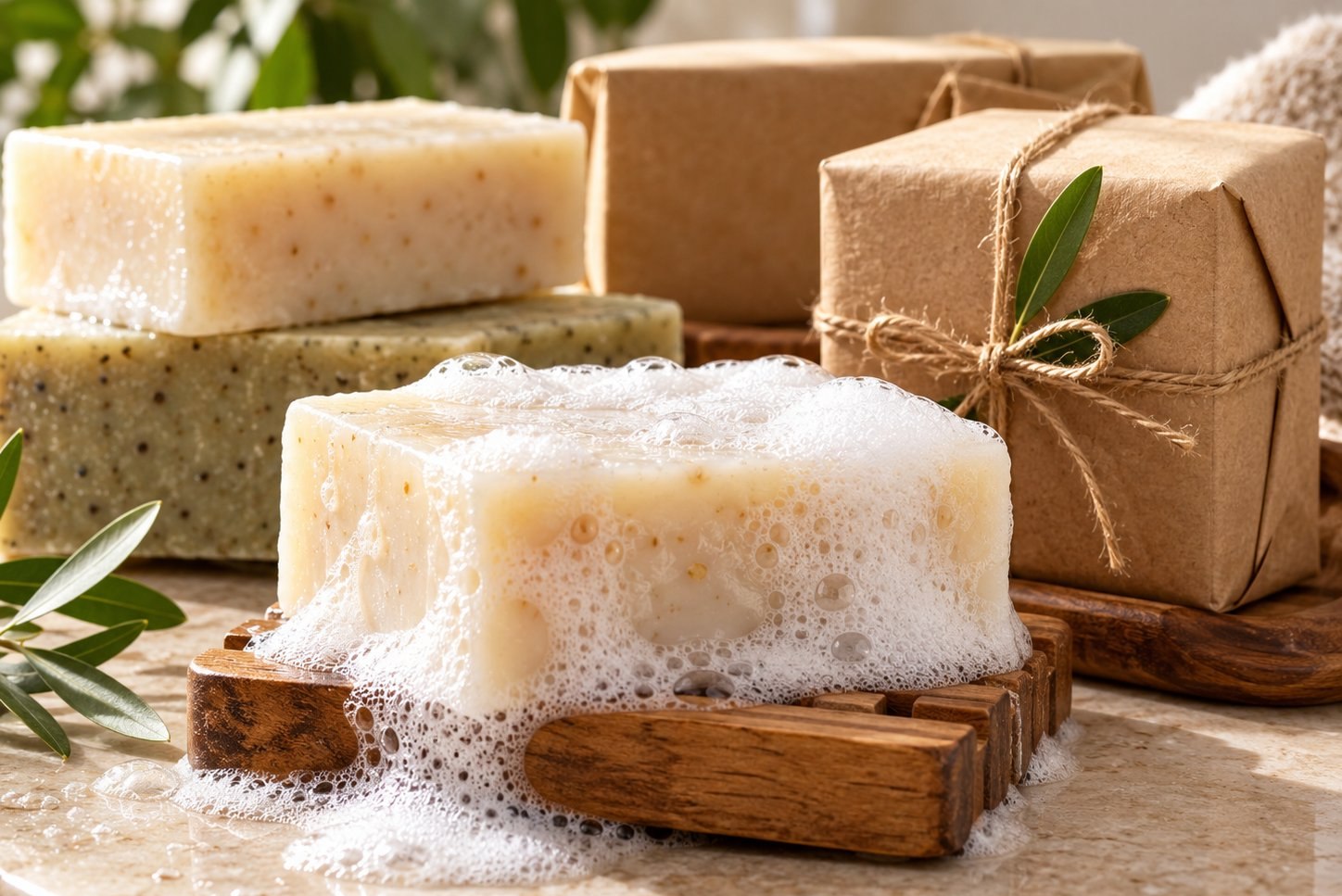
A bar can extend a men’s grooming line without forcing every product into the same format. It can serve as a daily cleansing product, a visually distinctive charcoal concept, a shaving product, or part of a coordinated gift set. For a private label bar soap project, it also gives the brand several visible design choices before the customer even opens the package.
- Clear product story: The brand can organize the range around an ingredient direction, scent family, skin-feel goal, or grooming routine.
- Compact presentation: A solid bar can use a carton or wrap instead of a pump bottle, although protection against moisture, impact, and fragrance loss still matters.
- Range flexibility: One collection may include a body-cleansing bar and a separate shaving soap, each developed for its own use.
- Visual identity: Shape, surface stamp, color, packaging artwork, and set presentation can reinforce the brand.
These advantages only become useful when the product brief is specific. “Natural men’s soap” is too broad for accurate sampling. A buyer should define who will use the private label bar soap, where it will be sold, how it should feel during and after use, what claims are intended, and what packaging is required.
Three Solid Soap Directions in BUNJOIN’s Product Range
Cold Process Soap
Cold process soap is a useful direction for brands that want the production method and bar character to be part of the product story. The development brief should cover the preferred oil or fat profile, cleansing feel, lather, hardness, color, fragrance, bar weight, shape, stamp, and packaging. The final formula, processing conditions, and production timing must be confirmed during development rather than assumed from a generic product name.
Buyers should also distinguish between a traditional soap-based bar and other solid cleansing-bar systems. They are not interchangeable terms. The formula type affects performance, claims, ingredient labeling, testing, and sometimes the applicable product category in the destination market.
Activated Charcoal Soap
Activated charcoal gives a bar a recognizable dark appearance and a strong visual identity for men’s cleansing concepts. It can support a deep-clean or urban-grooming direction, but the finished copy should stay within claims supported by the formula and the target market. Avoid turning “charcoal” into unsupported detoxification, acne-treatment, or medical promises.
A useful brief states the desired shade, degree of color transfer, lather appearance, scent direction, skin feel, bar size, and packaging protection. The sample should then be evaluated as a complete product rather than judging the charcoal ingredient by itself. Fragrance choices should follow IFRA standards so the documentation supports the intended markets.
Men’s Shaving Soap
Shaving soap has a different job from a general cleansing bar. It should build usable lather and support razor glide for the intended shaving routine. The buyer should specify whether the product will be loaded with a brush, lathered in a bowl, or used in another defined way. Container dimensions, refill format, fragrance level, lather development, post-shave feel, and compatibility with the planned packaging should all be reviewed in samples.
A shaving soap should not be treated as a general bar with a new label. Its use experience needs to be assessed for the actual shaving method and target customer.
| Solid soap direction | Brief must specify | Common mistake |
|---|---|---|
| Cold process soap | Oil profile, hardness, cure time, bar weight, stamp, wrap | Assuming a generic name defines the process |
| Activated charcoal soap | Shade, colour transfer, lather colour, scent, packaging protection | Turning “charcoal” into detox or medical claims |
| Men’s shaving soap | Loading method, lather build, razor glide, container size, post-shave feel | Treating it as a regular bar with a new label |
How to Write a Private Label Bar Soap Brief
A clear brief reduces unnecessary sample rounds and makes quotations easier to compare. Include the following information at the start of the project:
- Product type: Cold process cleansing bar, activated charcoal soap, shaving soap, or another confirmed solid format.
- Target user and use: Body cleansing, hand cleansing, shaving, travel, gifting, or a coordinated men’s routine.
- Target market: Countries, retailer requirements, language, and responsible-party arrangements that affect documents and labeling.
- Performance direction: Desired lather, cleansing feel, glide, hardness, rinse, and after-feel. Describe the experience without promising an untested result.
- Ingredient direction: Required or excluded ingredients, fragrance limits, color direction, and any brand standard such as vegan or naturally positioned products.
- Design: Bar weight, dimensions, shape, stamp, color, surface finish, and packaging structure.
- Commercial plan: Target quantity, launch date, target cost, sales channel, and whether the bar belongs to a larger product set.
- Claim and document needs: Intended claims plus the specifications, ingredient information, safety documents, test reports, or market-specific records the project requires.
If the brand has a benchmark product, describe which features should be similar and which must be different. A benchmark can communicate lather, scent family, bar size, or packaging experience, but it should not become a request to copy another brand’s formula or presentation.
Sampling and Quality Checks Before Production
The approval process should be based on the finished bar and its intended packaging. A sample that looks acceptable on the first day may behave differently after storage, transport, repeated wetting, or exposure to heat and humidity.
- Review appearance, dimensions, weight, odor, color, surface condition, and packaging fit.
- Evaluate lather, cleansing feel, rinse, after-feel, and the actual shaving experience when applicable.
- Check whether the bar cracks, softens, sweats, discolors, loses fragrance, or transfers color under the agreed test conditions.
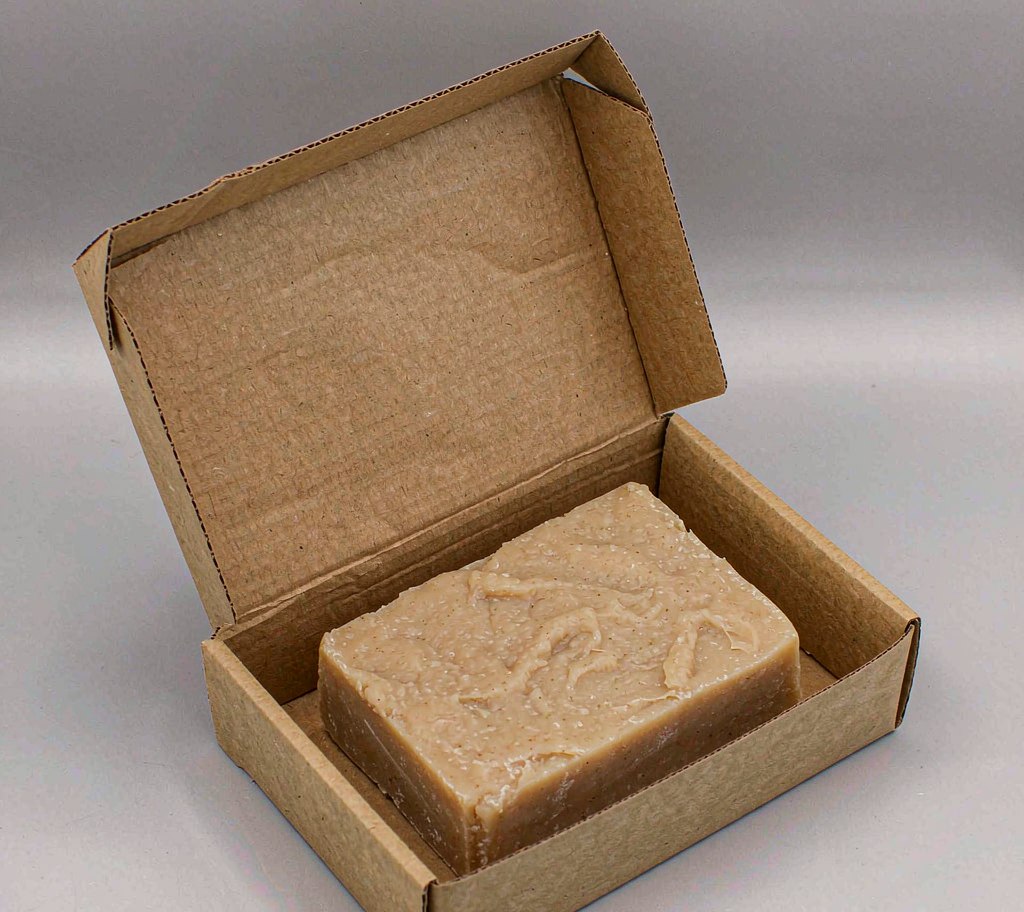
- Confirm packaging compatibility and transit protection, including how the bar is kept dry before sale.
- Approve the final artwork only after the ingredient list, claims, directions, warnings, net contents, and market-specific labeling requirements have been reviewed.
- Record the approved formula, fragrance, color, bar dimensions, packaging components, artwork version, and acceptance criteria before mass production.
Exact test items, production lead time, minimum order quantity, price, documentation, and formula options vary by project. They should be confirmed in the development brief and quotation instead of being inferred from a general guide.
Common Buying Mistakes
Using “bar soap” as the complete specification
The term does not define the formula system, use area, lather, fragrance, shape, packaging, or claims. It is a category name, not a production-ready brief.
Choosing claims before the formula
Marketing copy should follow the actual product, supporting information, and destination-market rules. Claims such as antibacterial, acne treatment, whitening, detoxifying, or clinically proven require more than a preferred concept. Ingredient-safety reviews such as those from the Cosmetic Ingredient Review can help confirm whether a claim is supportable before it appears on packaging.
Applying one test plan to every bar
A general cleansing bar and a shaving soap have different use conditions. Testing and acceptance criteria should reflect the intended product and packaging.
Ignoring the full landed product
The formula is one part of the purchase. Packaging components, artwork, labeling, carton protection, shipping, documentation, and quality criteria can change cost and timing.
How BUNJOIN Supports Solid Soap Development
BUNJOIN is a men’s grooming product development and supply chain partner founded in 2013 and based in Guangzhou, China, supplying brands in the USA, Europe and other global markets. Capabilities cover product development, formulation, packaging, compliance documentation, manufacturing, quality control and logistics.
For solid soap projects that means: confirming the formula system before sampling, defining the bar’s physical targets (weight, hardness, lather, cure behaviour), selecting wrap, carton or tin packaging that protects the bar in transit, and preparing the documentation set for the destination market. Related reading: face wash vs soap for private label and a men’s grooming product development case study.
Frequently Asked Questions
Can bar soap be used for washing hands?
A bar developed and labeled for hand or general cleansing can be used in that routine according to its directions. Buyers should confirm the intended use, formula, claims, labeling, and market requirements with the manufacturer rather than assuming every solid bar has the same purpose.
Is bar soap sanitary for hand washing?
A broad yes-or-no claim is not a useful purchasing specification. Product formulation, handling, storage between uses, directions, and the intended setting all affect the use experience. A brand making hygiene or antimicrobial claims must also confirm the evidence and rules required in its sales market.
What is the difference between bar soap and liquid hand wash for private label buyers?
The biggest differences are the formula format, packaging system, development tests, shipping risks, customer experience, and manufacturing scope. A private label bar soap project should be compared against complete liquid-hand-wash proposals on the same factors rather than on base formula alone.
Can one supplier develop a cleansing bar and shaving soap for the same range?
BUNJOIN’s men’s catalog includes solid cleansing soap directions and shaving soap. Each product still needs its own brief, samples, testing, packaging review, and commercial confirmation.
What should I send to request a quote?
Send the product type, target market, expected quantity, target cost, preferred bar size and packaging, fragrance and ingredient direction, required launch date, reference products, and any retailer or documentation requirements.
Build the Range Around a Confirmed Product Brief
Bar soap can be a practical extension of a men’s grooming brand when the format matches the customer, channel, packaging plan, and manufacturer’s capabilities. Start with the intended use, then define the formula experience, design, claims, testing, documents, quantity, and timing for your private label bar soap project.
Brands planning a cold process soap, activated charcoal soap, or men’s shaving soap project can review BUNJOIN’s solid soap product example and contact BUNJOIN with a development brief for a project-specific assessment and quotation.
Frequently asked questions
What is the typical MOQ for private label body care or bar soap?
Body care and bar soap usually start at 1,000–5,000 units; bar soap tooling can raise the minimum.
Can formula and format be customized?
Yes — base, fragrance, shape and packaging are adjustable; we match the format to channel and climate.
How long does production take?
Samples 1–3 weeks, production 3–6 weeks after approval.