Viking Revolution is one of the best-known Amazon-native men’s grooming brands, with a beard oil, balm and kit range that competes on price, review volume and speed of delivery. Founders looking at that catalogue usually ask the same question: who actually makes it? The honest answer is that the brand does not publish its manufacturing partner, and any site that names a specific factory for a specific brand without evidence is guessing.
Short answer: No public source confirms who manufactures Viking Revolution products. What is well documented is how brands of that type operate: they sell under their own name while a contract manufacturer develops the formula, fills the packaging and supplies the compliance documentation. The useful question for a founder is therefore not “who makes theirs” but “how do I verify the partner who will make mine?”

TL;DR
- A brand’s manufacturer is usually not public; check via business records, labels, and contract documents.
- Verify standards, certifications, and the contract manufacturer’s actual scope before signing.
- Working with BUNJOIN gives a transparent development and manufacturing partner.
1. Why the Answer Is Not Public
Contract manufacturing relationships are normally covered by commercial confidentiality, and nothing in US or EU cosmetic labeling law requires a brand to print its manufacturer’s name. A responsible person or address must appear on the label in the EU; the factory itself does not have to be disclosed. That is why searches for “who manufactures” a given grooming brand so often end in speculation.
Two things follow from this. First, treat any claim that a named factory produces a named brand as unverified unless the brand or factory has said so in writing. Second, recognise that the absence of a public answer is normal, not suspicious — Viking Revolution is not unusual in keeping its supply chain private; it is simply how private label supply chains work.
2. How Brands Like This Actually Source
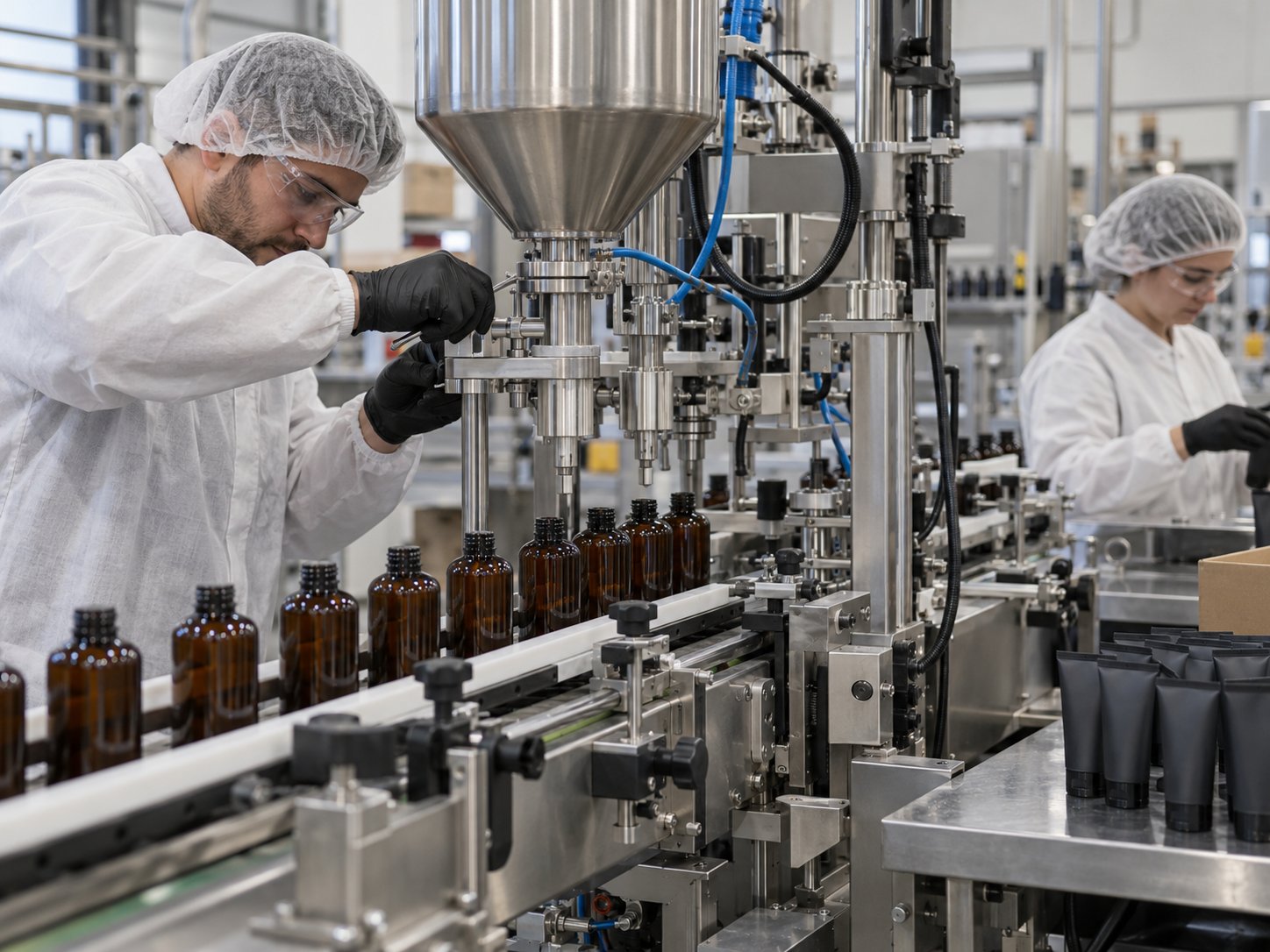
An Amazon-first grooming label like Viking Revolution typically carries no production assets of its own. The division of labour looks like this:
- The brand owns positioning, scent direction, packaging design, channel strategy, pricing and customer experience.
- The manufacturer owns formulation, raw material sourcing, filling, quality control and the export documentation set.
- Both contribute to compliance: the brand as the entity placing the product on the market, the manufacturer as the party holding batch and safety records.
This split is the reason a small team can launch fifteen SKUs in a year. It also explains the category’s price structure — a large share of unit cost sits in packaging components and freight, not in the oil blend itself. Our private label beard oil cost breakdown shows how those line items add up.
3. Five Ways to Check a Brand’s Manufacturer
If you genuinely need to identify who makes a competitor’s product — Viking Revolution’s beard oil, for example — five routes produce real evidence rather than rumour:
- Read the EU or UK label. Where a responsible person or an address is printed, that party can often be traced through a company register.
- Check import records. US customs bill-of-lading data is commercially available and lists shipper and consignee for individual consignments.
- Look at the manufacturer’s own filings. FDA facility registration and establishment records identify who has registered, though not who they produce for.
- Read patent and trademark filings. Formula or packaging patents occasionally name the developing party.
- Ask the brand directly. Many will confirm or decline on the record; a decline is more informative than a forum guess.
Use the result as market intelligence, not as a sales claim. Naming another brand’s supplier in your own marketing creates legal and commercial risk with no upside.
4. What the Contract Manufacturer Actually Does
The work behind a single bottle of beard oil is broader than “fill and ship”:
| Stage | What happens | What you should receive |
|---|---|---|
| Brief and formula selection | Texture, absorption, scent and claim direction agreed | A written brief and a formula option shortlist |
| Sampling | Lab batches produced and shipped for evaluation | Two to three sample rounds with revision notes |
| Testing | Stability, microbial challenge, packaging compatibility | Test reports tied to the specific formula |
| Documentation | INCI, SDS, COA, safety assessment inputs | A document pack you can hand to your regulator or marketplace |
| Bulk production | Filling, coding, cartoning under GMP | Batch records and traceability per lot |
| Logistics | Export packing, consolidation, freight booking | Packing list, commercial invoice, certificates on request |
The documentation stage is where weak suppliers are exposed. A factory that cannot produce a COA for a specific batch, or that hesitates on stability data, will eventually cost you a marketplace delisting rather than just a delay.
5. Standards and Documents to Verify Before Signing
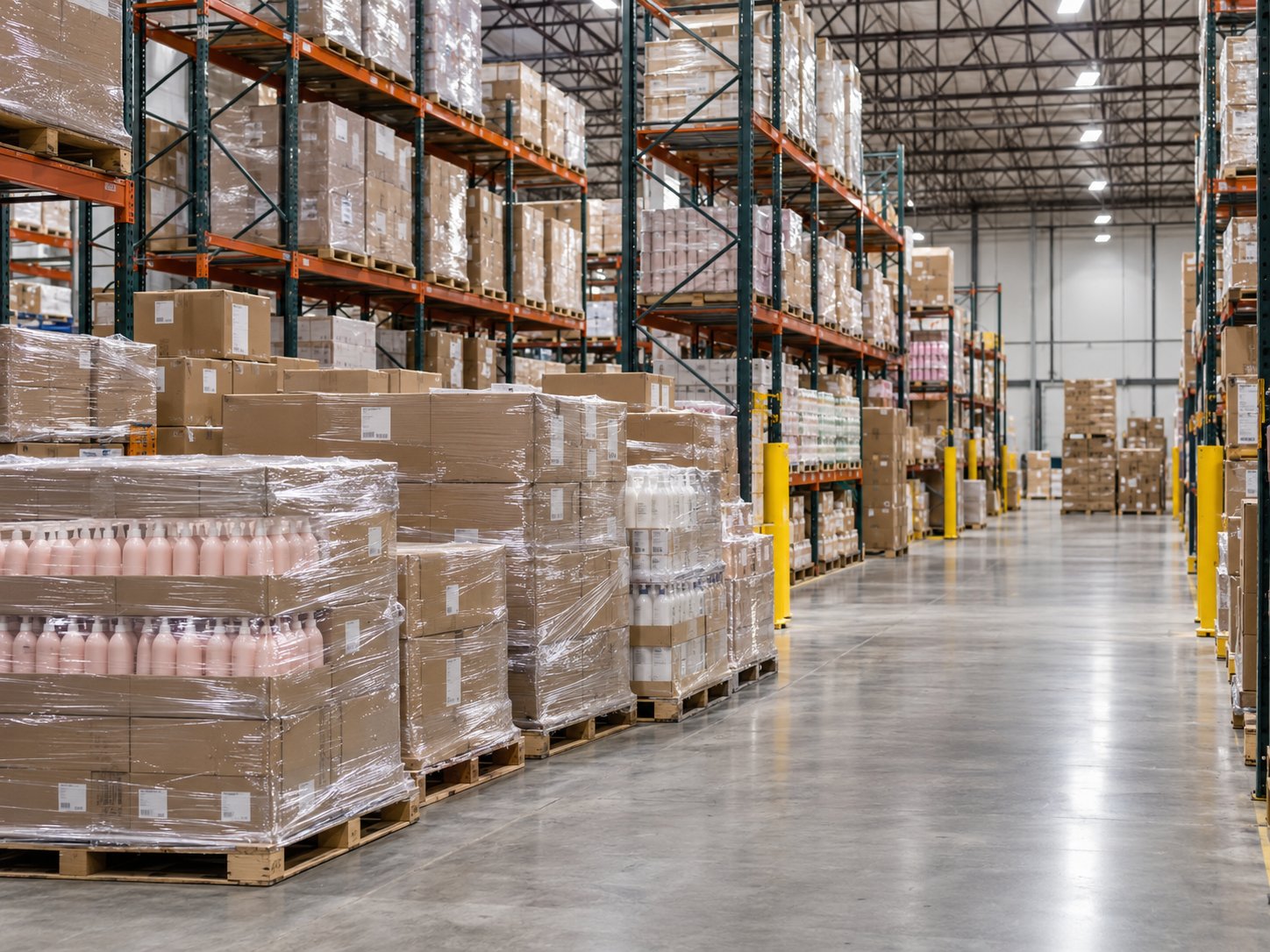
Ask for evidence, not adjectives. The same standard applies whether you are tracing Viking Revolution’s supply chain or qualifying your own partner. Four items should be verifiable before you place a first order:
- GMP / ISO 22716. Request the certificate and check the registration number with the issuing body; counterfeit certificates are a documented problem.
- Product safety assessment. In the EU a CPSR and PIF must exist before the product is placed on the market. Confirm who produces them and who signs.
- US MoCRA readiness. Under the Modernization of Cosmetics Regulation Act, responsible persons maintain facility registration and product listings with FDA; your supplier should understand their role in that chain.
- Labeling compliance. The FDA cosmetics labeling guide and the EU’s cosmetics regulation framework both govern declaration format and claim wording.
Then validate the commercial basics: component minimums separately from formulation minimums, sample lead time, and whether the quotation covers testing or excludes it.
6. Common Questions About Grooming Manufacturing
Do big grooming brands own their factories?
Most do not. Asset-light brands concentrate capital on marketing and inventory, and buy manufacturing capacity from specialists who run filling lines for many clients at once.
Is a contract-made product lower quality?
No. The same factories supplying premium brands frequently supply entry-level ones; quality differences usually come from the formula brief and the specification, not from who owns the building.
Can I visit the factory?
You should. A video audit is a reasonable first step; an in-person visit before the first bulk order is standard practice for a serious launch.
Working With BUNJOIN
BUNJOIN is a men’s grooming product development and supply chain partner founded in 2013, based in Guangzhou, China, serving brands in the USA, Europe and other global markets. Capabilities cover product development, formulation, packaging, compliance, manufacturing, quality control and logistics.
We do not comment on the supplier relationships of other brands. What we do is publish our own process: brief, sample rounds with testing, documentation pack, then bulk production with batch traceability — the sequence described in our product development case study. If you are comparing partners, we would rather you verify us on evidence than on association.
Review our OEM/ODM product range or contact our team to start a brief.
FAQ
Does Viking Revolution publicly name its manufacturer?
No reliable public source does. Viking Revolution, like most brands in the category, keeps the relationship under commercial confidentiality, and labeling rules do not require disclosure of the production site — so the specific factory is not a matter of public record.
How can I find out who makes a grooming brand’s products?
The reliable routes are the EU responsible-person address, import and customs records, regulatory facility registrations, patent filings, and a direct question to the brand. Forum speculation is not evidence.
Is it legal to name another brand’s supplier in my marketing?
It is risky. Unless you hold written confirmation, naming a third party as your competitor’s manufacturer can expose you to false-advertising and trade-libel claims. Market intelligence and marketing claims are different things.
What should I verify before signing with any OEM partner?
GMP or ISO 22716 certification with a checkable number, safety assessment capability for your target market, MoCRA familiarity for US sales, batch-level COA and SDS, and separate confirmation of component and formulation minimums.
Frequently asked questions
What's the typical MOQ for private label beard oil?
Beard oil commonly starts around 1,000–3,000 bottles per SKU; balm and kits vary with their packaging.
Can I customize the beard oil scent and bottle?
Yes — carrier oil blend, fragrance, bottle, label and carton are all adjustable within compliance.
How long does a beard care line take to develop?
Sampling 1–3 weeks, production 3–6 weeks after approval. We flag format-specific risks (for example balm texture) before tooling.