A shaving cream can look perfect in a sample jar. It may feel rich, smell expensive, and photograph beautifully. Then someone uses it with a real razor. The cream drags, disappears after one pass, or packs itself between the blades like wet cement.
That is the awkward truth about shaving products: the sample must do more than sit there looking premium.
A good formula manages friction between hair, skin, water, and blade. It needs enough glide for movement, enough cushion to reduce direct contact, and enough rinseability to keep the razor usable. Packaging, shaving technique, water hardness, and razor type all join the party.
This guide explains how men’s brands can develop private label shaving creams, gels, soaps, oils, foams, and aftershaves with an OEM/ODM manufacturer. We will cover product formats, ingredients, packaging, testing, claims, compliance, MOQ, costs, and supplier selection.
TL;DR
- Private label shaving covers soap, cream, gel, and aftercare – choose format before ingredients.
- Shave soap/cream formulation lives on glide, cushion, rinse, and skin feel; develop for a real shave.
- Claims and compliance are where shaving copy goes wrong; vet the OEM/ODM and write a better RFQ.
What Counts as a Private Label Shaving Product?
Private label usually means choosing a manufacturer’s existing formula and selling it under your brand. You may change the fragrance, color, packaging, or a few ingredients.
OEM and ODM are used rather loosely, even inside factories. In practical terms:
| Model | Who leads the formula? | Typical customization | Best for |
| White label | Manufacturer | Logo and basic packaging | Fast market tests |
| Private label | Usually manufacturer | Fragrance, color, texture, packaging | Startups and channel sellers |
| OEM | Brand supplies formula or specification | Production to the buyer’s requirements | Brands with product knowledge |
| ODM | Manufacturer develops from the brand brief | Formula, packaging, testing, and scale-up | Brands seeking differentiation |
The name matters less than the work included. Ask who owns the formula, how many sample rounds are included, which tests are quoted, and whether the product is truly exclusive.
Shaving preparations also sit beside, but are not the same as, razor hardware. A cosmetic factory may make the cream and balm. A specialist hardware supplier may make the handle, cartridge, safety razor, brush, or bowl. Combining them into one kit creates another assembly and quality-control project.
FDA’s current cosmetic product categories include aftershave lotions, beard softeners, pre-shave lotions, shaving creams, shaving soaps, and other shaving preparations. That gives brands plenty of room to build a routine rather than one lonely tube.
The commercial category is broader still. Circana data published in Drug Store Management put annual U.S. multi-outlet shaving and men’s grooming sales at roughly $5.3 billion for 2024–2025. The reported total includes electric shavers, razors, blades, creams, and grooming tools, so it should not be presented as a shaving-preparations figure alone.
Choose the Shaving Format Before the Ingredients
Start with the consumer’s behavior. Does he use a brush? Does he shave in two minutes before work? Is he lining up a beard, shaving his head, or using the product in a barbershop?
| Format | Experience | Common packaging | Watch-outs | Good channel fit |
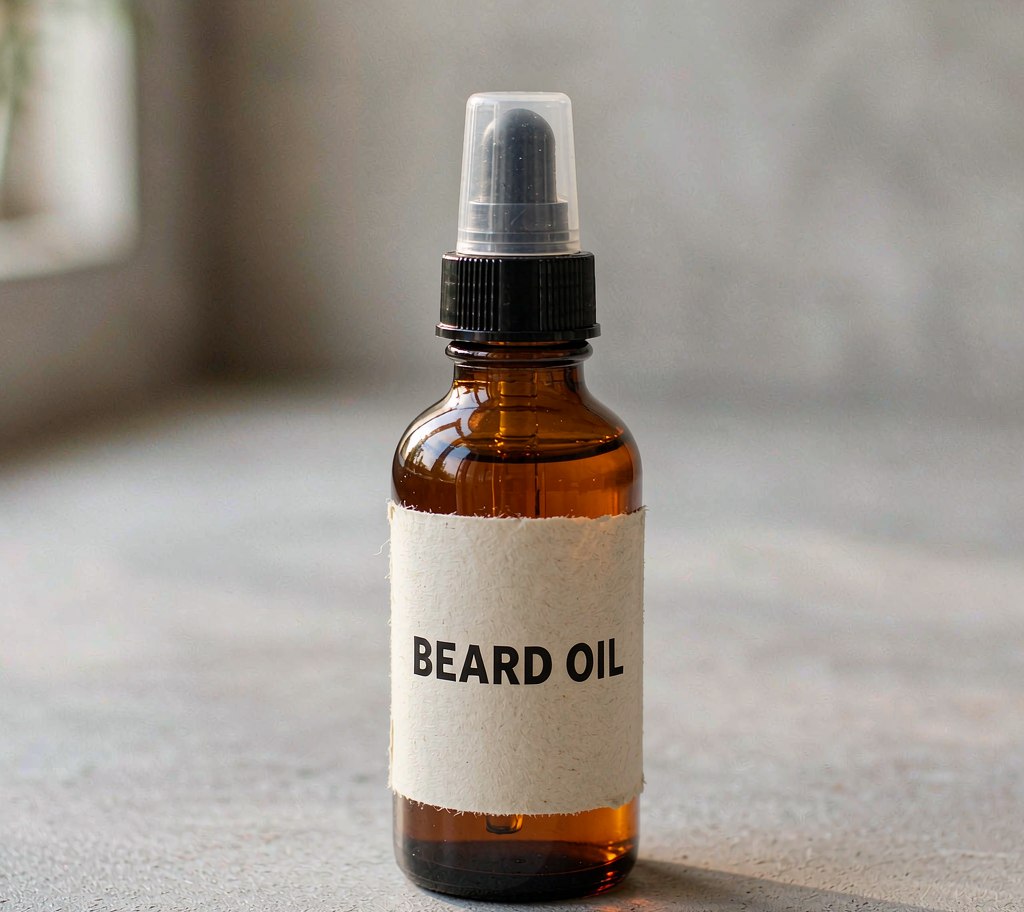
| Pre-shave oil | High slip, no lather | Pump, dropper, reducer | Oily residue, oxidation, razor buildup | Premium DTC, barber |
| Lathering cream | Dense cushion and ritual | Tube, tub | Lather quality, water ratio, soap structure | Retail, barber, wet shaving |
| Brushless cream | Quick, creamy, low/no lather | Tube, pump | Blade clogging, heavy residue | DTC, travel, simple routines |
| Transparent gel | Clear view for detail work | Tube, pump | Stringiness, bubbles, drag | Beard-line detailing, Amazon |
| Shaving soap | Traditional, dense lather | Puck, jar, stick | Cracking, sweating, learning curve | Enthusiast, barber, gifting |
| Aerosol foam or gel | Instant and familiar | Pressurized can | Valve, pressure, corrosion, specialist filling | Mass retail, convenience |
| Aftershave balm | Moisturizing finish | Tube, airless pump | Tack, pilling, weak rub-in | Skin-led premium brands |
| Aftershave splash | Fast-drying and fragrant | Bottle, reducer, spray | Alcohol sting, fragrance, flammability | Classic and barber brands |
A first-time brand often does better with a non-aerosol tube or pump. The supply chain is simpler, freight is easier, and stock packaging may reduce minimums. Aerosol can be a strong mass-market format, but it requires compatible cans, valves, propellant systems, pressure checks, a qualified filler, and additional transport planning.
The channel changes the format too. Barbers may want a large tub that works with a brush. Hotel buyers care about small packs and leak resistance. Amazon sellers need packaging that survives heat, drops, and fulfillment without covering the box in shave gel.
Private Label Shave Soap: What Brands Should Specify
A private label shave soap needs a tighter brief than “a hard soap with good foam.” Tell the manufacturer whether the product will be loaded with a brush, used as a shave stick, sold as a refill puck, or packed in a jar. That choice affects hardness, water pickup, lather speed, cushion, rinseability, puck dimensions, and packaging.
Ask the shave soap manufacturer to explain the base system, manufacturing method, fragrance limits, weight-loss allowance, and the controls used for cracking, sweating, shrinkage, and surface bloom. Test the soap with the intended brush and razor in both soft and hard water. A visually perfect puck is not ready if it takes too long to load, produces airy lather, or loses cushion before the second pass.
- Define finished puck weight, diameter, hardness, and fit with the selected jar or carton.
- Confirm MOQ separately for the soap base, fragrance, container, printed carton, and final assembly.
- Run stability and pack tests that cover cracking, sweating, fragrance change, label staining, and weight loss.
- Approve lather speed, density, glide, cushion, blade rinsing, and post-shave feel against a named benchmark.
For a faster private label launch, a validated stock soap base in an existing puck and jar format can reduce development and packaging risk. A custom base, signature fragrance, molded shape, or gift set can create more differentiation, but it normally adds sampling, testing, component minimums, and lead time. Include those choices in the RFQ before comparing quotations.
Formulation Basics: Glide, Cushion, Rinse, and Skin Feel

Shaving performance is a system. A long “hero ingredient” list cannot rescue weak fundamentals.
Build the cleansing and lather system
Traditional lathering creams and soaps often use fatty acids such as stearic acid neutralized with alkali to create a soap structure. Other products use synthetic surfactants or hybrid systems. These choices affect pH, foam, lather density, rinse feel, manufacturing temperature, and how the formula behaves in hard water.
Big bubbles look impressive for about ten seconds. Fine, stable lather is usually more useful because it stays present during the shave. Still, not every product needs foam. A transparent detail gel or brushless cream may rely more on film formation and slip.
Understand glide versus cushion
Glide helps the razor move. Cushion helps maintain a protective layer between blade and skin. They overlap, but they are not identical.
Emollients, fatty materials, polymers, selected oils, silicones where appropriate, and other film-forming ingredients may support slip and cushion. Too little can feel dry. Too much can coat the cartridge and slow rinsing.
This is why “add more oil” is not always the answer. A shaving formula is closer to making a good sauce than pouring dressing on a plate. Balance matters.
Manage hydration and the after-feel
Humectants such as glycerin, sorbitol, and betaine can help manage water and skin feel. Panthenol, allantoin, bisabolol, aloe, squalane, and shea butter are common concept ingredients for post-shave comfort or conditioning.
Their presence alone does not prove performance. A tiny label amount may support a story but do very little in the finished system. The use level, formula, test method, and claim wording all matter.
Alcohol and menthol also involve tradeoffs. They can create a fast-drying, fresh aftershave experience. They may also sting recently shaved skin. Neither is automatically good or bad; the concept and target user should decide.
Protect the formula
Water-based creams, gels, and balms need an appropriate preservation strategy. Preservatives, chelators, packaging, manufacturing hygiene, and consumer use work together. An open jar repeatedly touched with wet fingers has a different contamination risk from an airless pump.
Oil-based pre-shave products face oxidation and fragrance-stability questions. Antioxidants can help, but they do not replace suitable oils, packaging, and shelf-life work.
Fragrance must be evaluated for the correct application and use level. The IFRA Standards provide a globally recognized risk-management system for fragrance materials. Ask for a current Certificate of Conformity covering the finished-product application. “The fragrance is IFRA” is not enough when nobody can identify the category or maximum use level.
Develop for a Real Shave, Not a Sample Table

The same cream can perform differently across users. Important variables include:
- Facial, head, or body shaving
- Coarse versus fine hair
- Cartridge, safety razor, straight razor, or shavette
- Brush or brushless application
- One pass versus several passes
- Water temperature and hardness
- Skin condition and other skincare products
Consumer discussions often treat “sensitive skin” as one neat problem. It is not. Redness may involve fragrance sensitivity, a drying formula, overworked lather, too much brush pressure, a dull blade, repeated passes, or aggressive skincare used near shaving.
That does not let the formula off the hook. It simply means the brand should define the use case and avoid promising that one tube will solve every irritation problem.
For example, a transparent beard-line gel should prioritize visibility, controlled spread, and clean blade rinsing. A traditional barber cream can focus on dense lather, cushion, and fragrance. A head-shave product may need longer working time and easy coverage over a larger area.
Packaging Is Part of the Shaving Formula

A formula and package can behave well separately and fail together.
For tubes, check laminate compatibility, seal quality, cap leakage, paneling, decoration adhesion, and whether the product can be squeezed at low temperature. For pumps, define a viscosity window and test priming, dosage, clogging, and emptying.
Jars are easy to fill and work well for shaving soap or dense cream. They also expose more product during use. The preservative strategy and instructions should reflect that.
Soap pucks can crack, sweat, shrink, or transfer oil into paper packaging. Test them through temperature changes. Do not approve a carton only because it looks fine on day one.
Aerosols need a specialist partner. The brand should confirm can coating, valve and gasket compatibility, fill weights, pressure, leakage, corrosion, discharge pattern, and applicable transport classification. Some propellant systems and alcohol-rich products may create dangerous-goods shipping requirements.
Finally, test the decorated pack in a wet bathroom. Labels that wrinkle, inks that rub away, and slippery pumps are very real consumer experiences.
How to Test Private Label Shaving Products
FDA does not publish one mandatory test menu for every cosmetic. Its product testing guidance says firms must substantiate safety and use scientifically sound evidence. Your test plan should match the formula, packaging, claims, and use.
| Test area | What it answers | Typical timing |
| Stability | Does the formula remain acceptable over time and temperature? | Development and validation |
| Packaging compatibility | Does the product attack, leak from, stain, clog, or deform the pack? | Development |
| Microbiological quality | Is the product within suitable microbial limits? | Development and batch release as specified |
| Preservative effectiveness | Can a relevant water-based formula resist microbial challenge? | Formula validation |
| Physical specifications | Are pH, viscosity, appearance, odor, and fill weight controlled? | Development and release |
| Performance | Does it provide intended lather, glide, cushion, rinse, and after-feel? | Benchmarking and claims support |
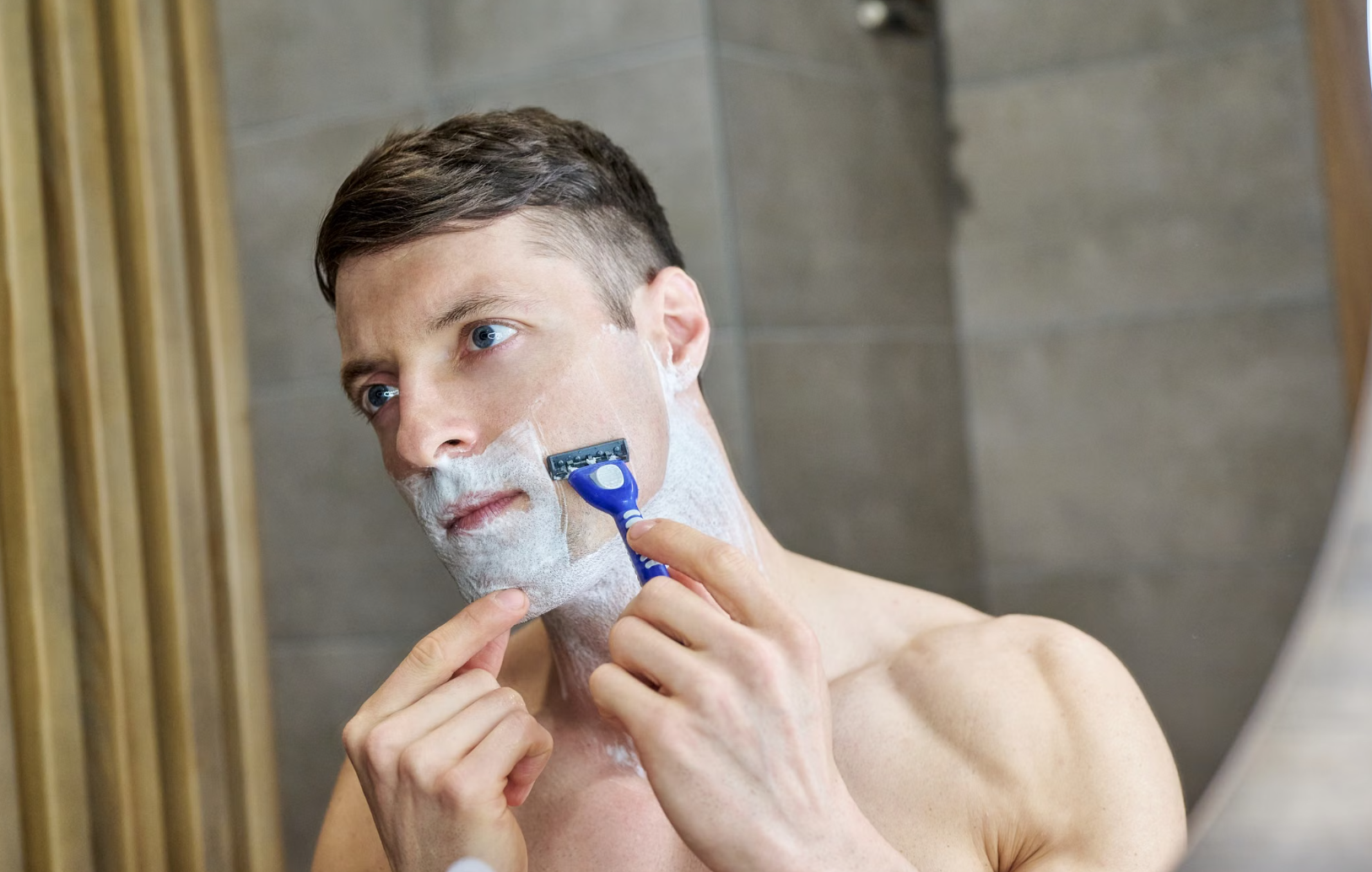
Performance evaluation should resemble use. A practical protocol may record spread, lather volume and density, lather collapse, number of passes, razor glide, blade clogging, rinse time, residue, and post-shave feel. Compare the candidate with a chosen benchmark using the same razor, water, dose, and technique.
Claims require their own evidence. “24-hour hydration,” “dermatologist tested,” and “suitable for sensitive skin” do not become true because they fit nicely on a carton.
Claims and Compliance: Where Shaving Copy Goes Wrong

Ordinary cosmetic claims describe cleansing, perfuming, moisturizing, conditioning, beard softening, razor glide, or the appearance and feel of skin.
Claims that treat or prevent disease, or affect body structure or function, may make the product a drug. FDA’s cosmetic labeling claims guidance explains this boundary.
Escalate claims such as:
- Treats or prevents pseudofolliculitis barbae
- Prevents ingrown hairs as a medical condition
- Heals razor cuts
- Kills bacteria or prevents infection
- Treats acne or folliculitis
- Reduces inflammation
- Changes hair growth
- Provides SPF or sunburn protection
“Helps skin feel comfortable after shaving” is a different kind of claim from “treats inflammatory razor bumps.” Marketing needs to understand the difference before the artwork is locked.
For products sold in the United States, review cosmetic labeling and applicable MoCRA duties. The FDA MoCRA overview covers responsible-person obligations, facility registration, product listing, safety substantiation, adverse-event reporting, and current rulemaking.
ISO 22716 is also useful supplier evidence. The current ISO 22716:2007 standard, confirmed in 2022, gives guidelines for cosmetic production, control, storage, and shipment. It is not FDA approval and does not replace product-specific safety work.
If the same product will enter the EU, UK, Middle East, or another market, create a destination-specific plan. One ingredient list and one set of claims may not work everywhere.
How to Select a Shaving Products OEM/ODM Manufacturer
A capable men’s grooming OEM/ODM partner should explain its limits as clearly as its capabilities.
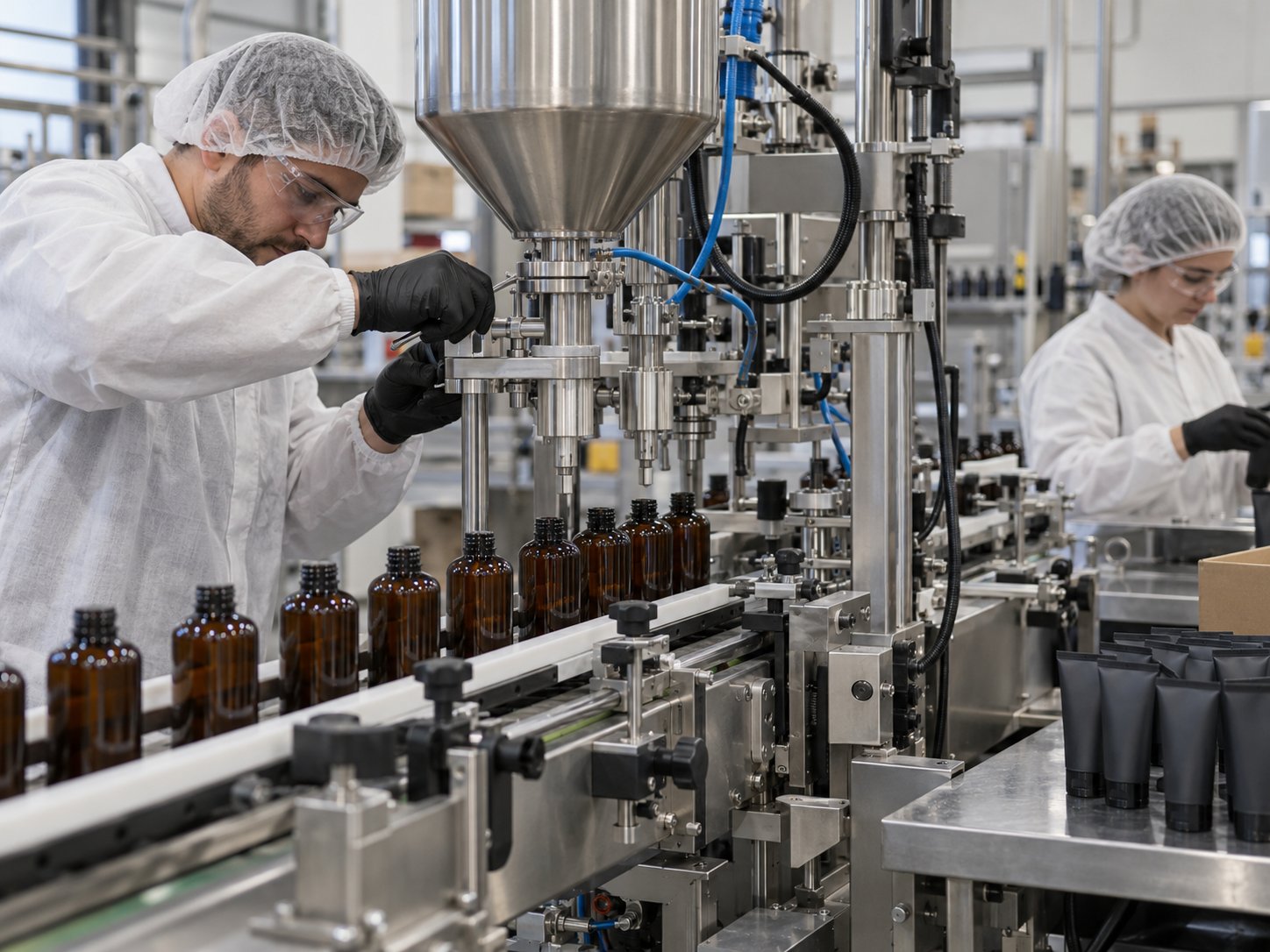
First, ask whether the facility produces the exact format you need at scale. High-viscosity lathering cream, transparent gel, soap, alcohol-rich aftershave, and aerosol foam require different equipment and experience. Find out whether filling, aerosol work, fragrance, testing, or kit assembly is subcontracted.
Next, request evidence:
- Facility details and relevant quality certifications
- Controlled formula and version process
- Raw-material and finished-product specifications
- Stability and packaging-compatibility plan
- Microbiological and preservation evidence where relevant
- Batch records, COA, traceability, and retention samples
- Claims support and safety-substantiation inputs
- Change-control and complaint process
Then cover the commercial details. Ask about MOQ by formula and by packaging component, sample rounds, print minimums, over/under-run allowances, lead time, defects, rework, freight, payment, and ownership of custom formulas and artwork.
Red flags include “FDA certified” marketing, one generic report offered for every SKU, medical promises without a regulatory plan, and refusal to identify the actual manufacturing or filling site.
For a broader due-diligence framework, read the private label men’s grooming manufacturer guide. You can also review how BunJoin supports global brands from concept through production and delivery.
MOQ, Cost, and Timeline: What Moves the Quote?

There is no universal MOQ for shaving cream. A stock formula in a stock jar may begin at a relatively modest quantity. A custom-printed tube, proprietary pump, aerosol can, or molded razor handle may require much more.
The main cost and timing drivers are:
- Stock, semi-custom, or fully custom formula
- Packaging inventory and printing method
- Custom mold or decoration
- Fragrance development
- Number of sample rounds
- Stability, safety, compatibility, and claims testing
- Cartons, inserts, razors, brushes, and kit assembly
- Destination-market documents
- Aerosol filling and dangerous-goods freight where applicable
- Forecast accuracy and production scheduling
The lowest unit quote can create the highest total cost if it forces too much inventory, weak packaging, relabeling, or expensive air freight. Compare landed cost and risk, not the ex-factory number alone.
Build a Shaving System, Not a Random Bundle
A brand can start with one hero SKU. It should still know where that SKU sits in a future routine.
Lean Amazon or DTC launch: transparent shave gel plus a light aftershave balm. The use is easy to explain, and both products can share a clean visual system.
Premium barber ritual: pre-shave oil, lathering cream or soap, and an aftershave splash or balm. Add back-bar sizes and retail sizes deliberately.
Sensitive-feeling skin concept: fragrance-free brushless cream and a simple post-shave balm. Keep the ingredient story and claims restrained. Fragrance-free is not the same as guaranteed non-irritating.
Use scent continuity, but do not make every product identical. The shave product handles blade movement. The balm handles the leave-on finish. Each SKU needs one clear job.
The same logic applies when shaving sits beside beard care. BunJoin’s guide to building a complete beard care system shows how routine architecture can improve cross-selling without creating a messy catalog.
A Better RFQ for Shaving Products
Before asking for a quote, send the manufacturer:
- Target market and sales channel
- Product format and benchmark
- Intended user and shaving area
- Required and prohibited claims
- Lather, glide, cushion, rinse, fragrance, and after-feel targets
- Packaging type, size, and decoration
- Target MOQ, cost, annual forecast, and launch date
- Required testing and documents
- Whether accessories or gift-set assembly are included
“I need the best shaving cream at the lowest price” gives the factory almost nothing useful. A precise brief shortens sampling and makes quotes easier to compare.
When your brief is ready, you can discuss your private label shaving project with BunJoin.
Conclusion
A shaving product is not just cream in masculine packaging. It is a formula-package-blade-use system.
Choose the use case first. Then select the format, build the right glide and cushion, test it with real razors, confirm packaging compatibility, control the claims, and audit the manufacturer’s evidence. A strong OEM/ODM partner should explain these tradeoffs instead of sending a glossy catalog and hoping for the best.
Start with one clear hero product or a small routine. Learn from actual use. Then expand into pre-shave, post-shave, professional, travel, or gift formats with less guesswork.
FAQs
1. What shaving products can be private labeled?
Common options include pre-shave oil, lathering or brushless shaving cream, transparent gel, shaving soap, aerosol foam, aftershave balm, lotion, splash, and coordinated kits. Razors and brushes can also be private labeled, but usually involve separate hardware suppliers.
2. What is the difference between private label, OEM, and ODM shaving products?
Private label normally starts with a supplier formula. OEM usually follows a buyer’s formula or specification. ODM means the manufacturer develops the product from the brand’s brief. Suppliers use these terms differently, so confirm the actual deliverables.
3. Is shaving cream, gel, soap, or oil better for a new brand?
It depends on the user and channel. Gel is convenient for beard detailing, cream has broad appeal, soap suits traditional wet shaving, and oil fits premium routines. Non-aerosol cream or gel is often simpler for a first supply chain.
4. Which ingredients help provide glide and cushion?
Depending on the system, fatty materials, emollients, selected oils, polymers, surfactants, soap structures, silicones, humectants, and film formers may contribute. Performance comes from their balance, not one fashionable ingredient.
5. How can a brand develop for sensitive-feeling skin?
Begin with a restrained brief, appropriate cleansing system, controlled fragrance or fragrance-free option, good glide, and simple post-shave feel. Test the complete formula and support any sensitive-skin claim. Do not promise zero irritation for every user.
6. What is a typical MOQ for private label shaving cream?
MOQ may range from hundreds to several thousand units depending on the supplier, formula, tube printing, stock packaging, testing, and customization. Ask for separate minimums for bulk formula, primary packaging, cartons, and final assembly.
7. How long does custom shaving-product development take?
Sampling may take weeks, while stability, compatibility, safety review, printed packaging, and production can extend the project by several months. A stock formula in stock packaging is usually faster than a fully custom system.
8. What tests should shaving cream or gel pass?
A risk-based plan may include stability, packaging compatibility, microbiological quality, preservative effectiveness for relevant water-based formulas, physical specifications, safety substantiation, and performance work for lather, glide, cushion, rinse, and claims.
9. Can shaving products claim to prevent razor bumps or ingrown hairs?
Be careful. Claims to treat or prevent pseudofolliculitis barbae, infection, acne, or another condition may create drug obligations. Have U.S. regulatory specialists review the exact formula and wording before marketing.
10. Do private label shaving products need FDA approval?
Ordinary cosmetics generally do not receive FDA premarket approval, except that color additives must be authorized for their intended use. Products still must be safe, properly labeled, and compliant with applicable MoCRA and other requirements. Drug claims change the pathway.
Frequently asked questions
What is the typical MOQ for private label shaving products?
Cream, soap and pre-shave oil commonly start at 1,000–3,000 units per SKU.
Can formula and packaging be customized?
Yes — we tune cushion, glide, fragrance and packaging, and test real-shave performance before approval.
How long does shaving product production take?
Samples 1–3 weeks, production 3–6 weeks after approval.