Glycerin, propylene glycol, and butylene glycol are the humectants that modern men’s skincare relies on for lightweight hydration. High-performance moisturizers, lotions, and serums use carefully balanced humectant systems: combinations of ingredients that attract, hold, and distribute moisture effectively.
These three humectants are widely used in skincare chemistry. When used together correctly, they create a moisturizing system that delivers long-lasting hydration without heaviness, an important requirement for many men’s grooming products.
This guide compares the three ingredients, explains how they work together, and outlines formulation considerations for men’s moisturizers, lotions, serums, cleansers, and post-shave products.
What this guide covers
TL;DR
- Glycerin is the core water-binding humectant; propylene glycol aids solubility and delivery; butylene glycol refines texture and skin-feel.
- Humectant combinations matter more than any single ingredient – pair them by climate and product type.
- ODM formulation should design the humectant system around the finished product, not ingredient bingo.
Glycerin vs. Propylene Glycol vs. Butylene Glycol: Quick Comparison
| Ingredient | Primary role | Formulation value | Common product applications |
|---|---|---|---|
| Glycerin | Strong water-binding humectant | Supports moisture retention and barrier recovery | Moisturizers, lotions, post-shave balms, cleansers |
| Propylene glycol | Humectant and solvent | Supports rapid hydration, solubility, and ingredient delivery | Serums, lightweight moisturizers, treatment-focused formulas |
| Butylene glycol | Humectant and sensory modifier | Improves spreadability, texture, and skin feel | Gel moisturizers, serums, lightweight emulsions |
What Are Humectants in Skincare?
Humectants are water-binding ingredients that attract moisture from the environment or deeper skin layers into the stratum corneum, the outer layer of the skin.
In men’s skincare products, humectants can help prevent dehydration caused by shaving and cleansing, improve skin smoothness and elasticity, support barrier function without a greasy residue, and enhance the performance of other ingredients.
Because male skin typically produces more sebum but can still experience transepidermal water loss, a men’s moisturizer often needs to balance effective hydration with a lightweight skin feel.
Why Humectant Combinations Matter
A single humectant can provide hydration, but combining several humectants gives formulators more control over moisture retention, absorption speed, texture, and after-feel. This is why professional moisturizing formulas often use a humectant system instead of relying on one ingredient alone.
Glycerin: The Core Water-Binding Humectant
Role in skincare chemistry
Glycerin, also called glycerol, is one of the most researched humectants in skincare. Its molecular structure allows it to bind water efficiently and support skin barrier recovery. Its safety profile has been reviewed by independent bodies such as the Cosmetic Ingredient Review.
Benefits in men’s products
- Strong water-attracting ability
- Supports barrier function over time
- Suitable for a wide range of skin types
- Useful in daily moisturizers, post-shave balms, hydrating cleansers, and serums
High levels of this humectant can feel sticky, especially in hot or humid climates. Combining glycerin with other glycols helps formulators adjust the sensory profile.
Propylene Glycol: Hydration, Solubility, and Delivery
Propylene glycol is a multifunctional ingredient that acts as both a humectant and a solvent. It can support rapid moisture attraction, improve the solubility of selected ingredients, and enhance ingredient delivery.
It is commonly used in lightweight serums, oil-control moisturizers, and treatment-focused products. At controlled concentrations, propylene glycol can help reduce the heavy feel of a glycerin-rich formula while supporting overall performance.
Butylene Glycol: Texture and Skin-Feel Optimization
Butylene glycol provides humectancy while improving formula spreadability and skin feel. It supports even ingredient distribution and can help create a smooth, non-sticky finish.
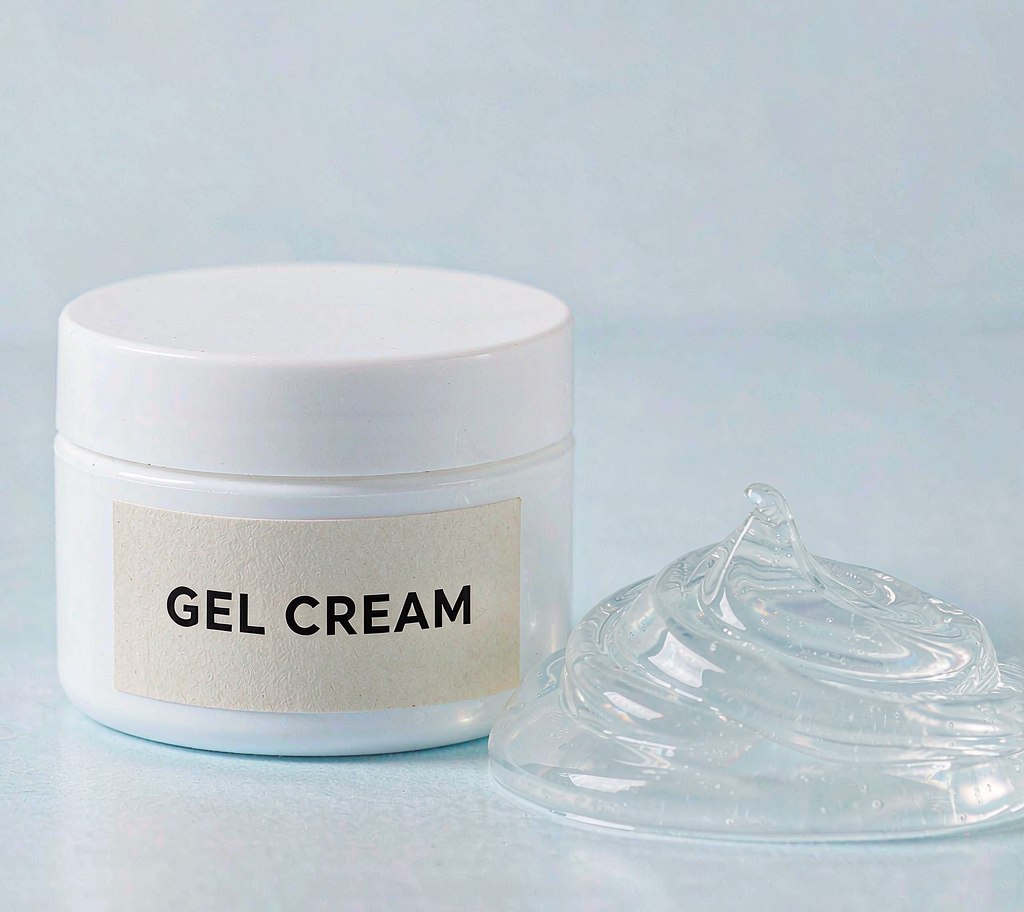
It is frequently used in gel moisturizers, all-in-one men’s serums, and lightweight emulsions where fast absorption and a fresh finish are priorities.
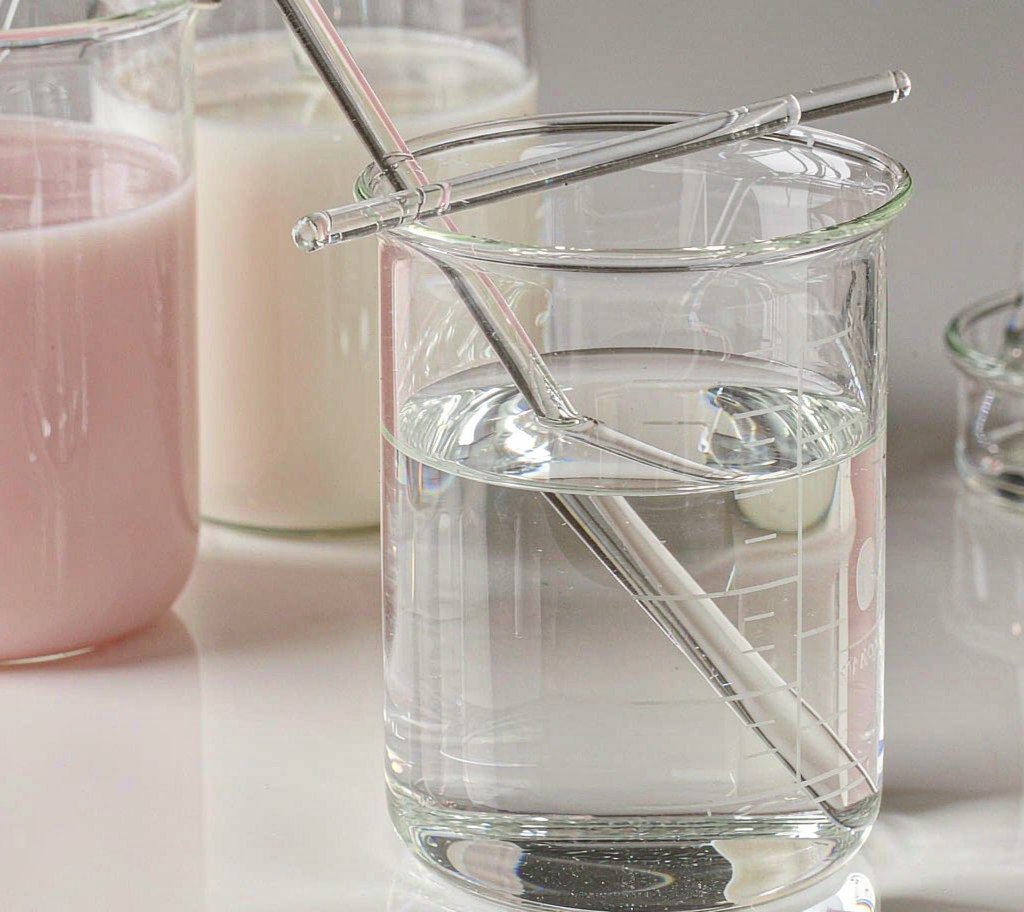
How the Three Humectants Work Together
When glycerin, propylene glycol, and butylene glycol are combined, each contributes a different formulation benefit:
- It provides strong and lasting moisture retention.
- Propylene glycol supports rapid hydration, solubility, and ingredient delivery.
- Butylene glycol improves spreadability, texture, and skin comfort.
This combination allows formulators to reduce stickiness, improve absorption speed, and maintain hydration while delivering a lightweight user experience.
Common Pairing Logic in Men’s Skincare
Moisturizing lotions
The humectant can provide the main hydration base, while butylene glycol improves texture. Occlusive ingredients may be added to help retain moisture.
Hydrating serums
Propylene glycol supports rapid delivery, butylene glycol provides a lightweight feel, and the level can be adjusted to control tackiness.
All-in-one men’s products
A balanced ratio of all three humectants can support multifunctional products designed for consumers who prefer a minimal routine.
ODM Formulation Considerations
A cosmetic ODM team should optimize the humectant system according to the target climate, product format, regulatory requirements, skin type, usage habits, texture target, and packaging format. Ratios can be adjusted during sampling to balance hydration performance with skin feel. In the United States, the FDA’s MoCRA framework sets the responsibility for cosmetic safety and required records.
For a broader product-line view, see Bunjoin’s men’s skincare ODM guide.
Conclusion
Glycerin, propylene glycol, and butylene glycol are not interchangeable. Each has a distinct role, and the most suitable combination depends on the target product and sensory profile. A well-designed humectant system helps brands develop effective men’s moisturizers, serums, lotions, and post-shave products with a lighter, more comfortable finish.
Designing Humectant Systems with BUNJOIN
BUNJOIN is a men’s grooming product development and supply chain partner founded in 2013 and based in Guangzhou, China, supplying brands in the USA, Europe and other global markets. Capabilities cover product development, formulation, packaging, compliance documentation, manufacturing, quality control and logistics.
A humectant system is balanced rather than chosen. Development covers the ratio between glycerin and lighter humectants, the tack and after-feel those ratios produce, preservation, and how the system behaves in a lotion, a serum or an all-in-one product. The target is lightweight hydration that does not feel sticky on skin or in hair products that sit near the hairline.
FAQ
Is glycerin comedogenic?
Glycerin is generally regarded as low risk for clogging pores and is used widely in facial products. Individual responses still vary, so a use test on the intended customer group is the practical check before launch.
Can glycerin be used on its own in a formula?
Rarely. Pure glycerin can feel tacky and, at high levels in a low-humidity environment, may draw water out of the skin. It is almost always combined with other humectants and occlusives as part of a system.
Why combine glycerin with propylene glycol or butylene glycol?
The lighter glycols improve spreadability, solubility and delivery while glycerin supplies water binding. Together they usually give a lighter after-feel than glycerin alone at the same hydration level.
Is vegetable glycerin different from synthetic glycerin?
Chemically the molecule is the same. The difference is the raw material source and the documentation attached to it, which matters for brands making natural-origin or vegan positioning claims.
Ready to build this under your own brand?
BunJoin develops and manufactures private label men’s grooming & skincare — formula, packaging, MOQ and compliance (MoCRA/FDA) handled end to end.
Frequently asked questions
What is the typical MOQ for private label men's skincare?
Most skincare SKUs start at 1,000–5,000 units; sets and kits vary with their components.
Can the formula and actives be customized?
Yes — we adjust texture, key actives (for example niacinamide or glycerin) and fragrance to your brief and claims plan.
How long does skincare development take?
Feasibility and samples 1–3 weeks, production 3–6 weeks after approval, plus freight.