Custom men’s grooming ODM follows a sequence of decisions: define the product brief, agree the development scope, evaluate samples, confirm the formula and packaging, then approve production and delivery. Each stage should end with a recorded decision so the brand and manufacturer work from the same specification.
For a brand developing a cleanser, face cream, beard oil or hair styling product, a clear process makes it easier to compare proposals and give useful sample feedback. This guide explains what to prepare, what happens at each stage, and what to confirm before moving forward.
TL;DR
- Custom men’s grooming ODM runs as a documented sequence: brief, scope and quotation, sample evaluation, formula and packaging confirmation, production approval, then delivery and reorders.
- Each stage should end with a recorded decision so brand and manufacturer work from one specification; formula approval and packaging approval must be confirmed together.
- Begin the brief with category, market, performance, packaging format and quantity — you do not need a finished formula before the first discussion.
What does custom ODM mean for a men’s grooming brand?
In an ODM project, the manufacturer contributes formulation and development capability, while the brand defines its target customer, product positioning and commercial requirements. The project may start from a suitable existing base formula or require additional development. The agreed scope determines the work, testing, packaging choices and quotation.
BUNJOIN supports formula development, production and packaging for men’s grooming brands. State your customization requirements early: a fragrance adjustment, a different skin feel and a new formula concept can involve different development work. Formula exclusivity, ownership and reuse conditions should be addressed in the project agreement.
Step 1: Send a product development brief
A useful brief explains the product you want to launch and the decisions you have already made. Start with the following information:
- Product and user: the product category, target customer and intended use.
- Target market: the countries and sales channels where the product will be sold.
- Performance: the main benefit and the texture, finish or hold you want.
- Formula preferences: requested ingredients, exclusions and fragrance direction.
- Packaging: desired capacity, container format and branding requirements.
- Commercial scope: estimated order quantity, budget assumptions and target launch date.
- Reference products: what you like about each reference and what should be different.
You do not need to arrive with every ingredient selected. If the formula direction is still open, use our men’s skincare product line guide to narrow the category. The separate companion article on choosing a men’s skincare formula covers how to compare performance, ingredients and skin feel.
Step 2: Agree the development scope and quotation basis
The next step is to turn the brief into a proposed project. Confirm which parts are included: formula development, revisions, packaging sourcing, artwork, testing, filling, assembly and shipping arrangements.
| Decision | What the brand should confirm |
|---|---|
| Formula route | Which base or development approach is proposed, and which changes are included? |
| Sampling | What samples will be supplied, how revisions work, and which costs apply? |
| Order quantity | What minimum quantities apply to the formula, each SKU and each packaging component? |
| Price scope | Does the quotation include packaging, decoration, testing, filling and freight? |
| Schedule | Which milestones depend on sample approval, artwork approval or packaging availability? |
| Responsibilities | Who approves the label, product specification and market-specific documents? |
Keep MOQ and lead time attached to the actual product proposal. A quantity or production schedule for one formula and container should not be assumed to apply to every SKU.
Step 3: Evaluate samples using the same criteria
Sample evaluation works best when feedback is specific and repeatable. Compare the sample with the brief, record the sample version, and describe what you want changed.
For a face cream, feedback might cover spreadability, absorption, tackiness, fragrance and finish. For a styling product, it might cover application, hold, shine, restyling and washability. A comment such as “reduce the shiny finish while keeping the same spreadability” is more useful than “make it better.”
- Use a consistent evaluation method across sample versions.
- Identify the changes that are essential and those that are preferences.
- Ask whether a requested change affects packaging, testing, cost or the schedule.
- Record the chosen version and the remaining open questions.
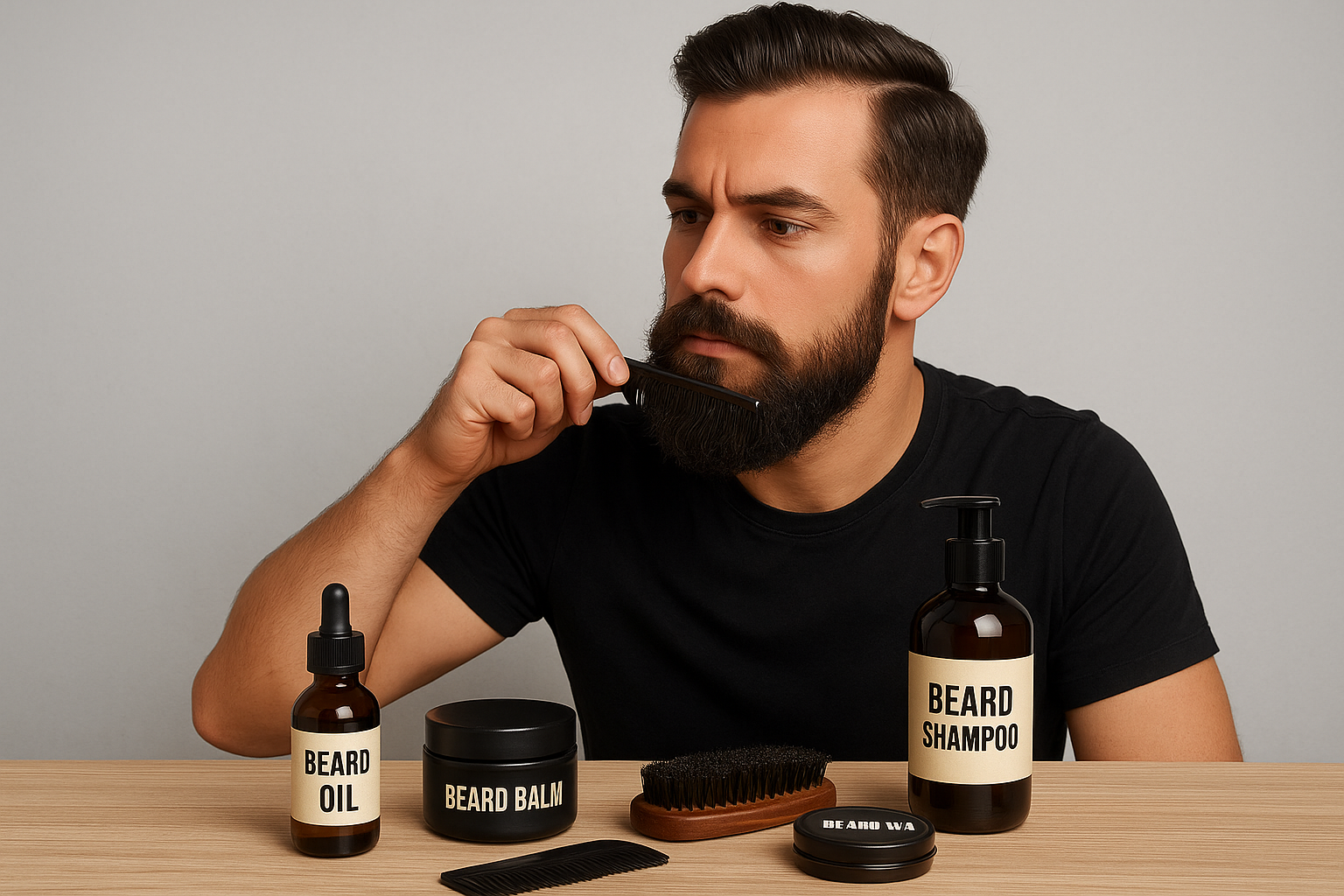
For beard products, see the private label beard oil guide for category-specific considerations. The development process remains the same, but the evaluation criteria should suit the product.
Step 4: Confirm packaging alongside the formula
Formula approval and packaging approval should connect. The container must dispense and protect the selected product, while the label and artwork must match the approved specification.
Confirm capacity, container material, closure or pump, decoration, label text, carton configuration and any kit components. Ask how formula-packaging compatibility will be evaluated. Review the physical packaging sample where relevant, as a digital mockup cannot show dispensing performance, leakage or the feel of the finished pack.
Step 5: Complete the approval checklist before production
Before the project moves into production, collect the approved items in one place:
- The final product specification and approved sample reference.
- Confirmed packaging components, capacity and artwork versions.
- The agreed testing scope, acceptance criteria and documentation.
- Order quantities by SKU and the final quotation scope.
- Payment, production and shipment arrangements.
- Formula ownership or exclusivity terms, where applicable.
The documentation and label requirements depend on the product and destination market. Agree responsibilities at the project stage so document preparation does not become a last-minute task.
Step 6: Manage production, delivery and repeat orders
Once approvals are complete, the project moves through manufacturing, filling, packaging and the agreed quality checks. Keep a record of production updates and resolve any specification changes through a clear approval process.
For delivery, confirm shipping terms, destination details, carton information and the documents included with the order. After receipt, review the shipment against the approved specification. Keep the approved sample and artwork references available for repeat orders and later product revisions.
Common questions before starting an ODM project
Can we begin without a complete formula?
Yes. Begin with the intended user, product benefit, sensory preferences, market and budget direction. The development discussion can then identify a suitable formulation route.
Can we change fragrance, texture and packaging?
Include each requested change in the brief. The proposal should explain which changes are feasible and how they affect sampling, testing, order quantity and cost.
How long does custom development take?
The schedule depends on the development scope, revisions, testing and packaging. Request a milestone-based schedule for your project and distinguish development time from mass-production time.
Will the formula be exclusive to our brand?
Exclusivity is a commercial agreement. Confirm the scope and ownership terms before approving the development work.
Prepare your next ODM inquiry
To discuss a men’s grooming project with BUNJOIN, prepare your product category, target market, desired performance, packaging format and estimated quantity. These details make the first discussion more useful and help the team propose a relevant development route. Explore our men’s grooming ODM manufacturing services to start the conversation.
Related guide: how to choose a men’s skincare formula for your brand.
Ready to build this under your own brand?
BunJoin develops and manufactures private label men’s grooming & skincare — formula, packaging, MOQ and compliance (MoCRA/FDA) handled end to end.
Frequently asked questions
What is a typical private label MOQ for men's grooming?
Most SKUs start at 1,000–5,000 units; formats that need custom tooling or filling run higher. We confirm the exact minimum after your brief.
How long does private label production take?
Feasibility and samples usually take 1–3 weeks, then full production 3–6 weeks after approval, plus freight. We give a date range in the quote.
Can the formula, scent and packaging be customized?
Yes. Scent profile, active level, bottle or jar, label and carton are all adjustable, and we check claims against MoCRA/FDA before sign-off.