
TL;DR — Private Label Shampoo Sample Approval
- Private label shampoo approval has two halves: how the sample performs in use and what can be verified objectively. A pleasant first wash proves neither quality nor compliance.
- Evaluate sensory factors under comparable conditions. Compare cleansing, foam, rinsing, after-wash feel and fragrance using similar quantities, water temperature and hair conditions, and record the approved fragrance code.
- Measure pH and viscosity with instruments. A mildly acidic direction and a pH range of 4.5–6.5 are only starting discussion references, not universal acceptance limits. Record the method, conditions and the agreed specification.
- Test the real formula in the selected bottle and pump. Check dispensing, dose, pump recovery, sealing, leakage and label adhesion; repeat the checks after any packaging change.
- Keep sensory feedback separate from laboratory verification. Microbiological quality, preservative efficacy, stability and packaging compatibility need appropriate testing, and destination-market requirements should be checked against FDA cosmetic guidance and regulation.
- Record the standard in writing. Use a sample approval card with the formula code and version, keep a sealed dated reference sample, and confirm changes in writing. BUNJOIN bulk production generally takes 30–35 days, with a 50% deposit and 50% balance before shipment.
Private label shampoo samples need to be judged on more than fragrance or foam. A sample may feel good during the first wash but still have issues with rinsing, viscosity consistency, microbiological quality or packaging compatibility. Buyers should evaluate both the user experience and objective quality requirements before approving a product for bulk production.
1. Define Your Private Label Shampoo Direction First
Before requesting samples, clarify your target customer, hair type, product positioning, cleansing and foam preferences, desired after-wash feel, fragrance, bottle size, packaging and destination market. BUNJOIN currently supports four men’s shampoo directions for a private label shampoo project:
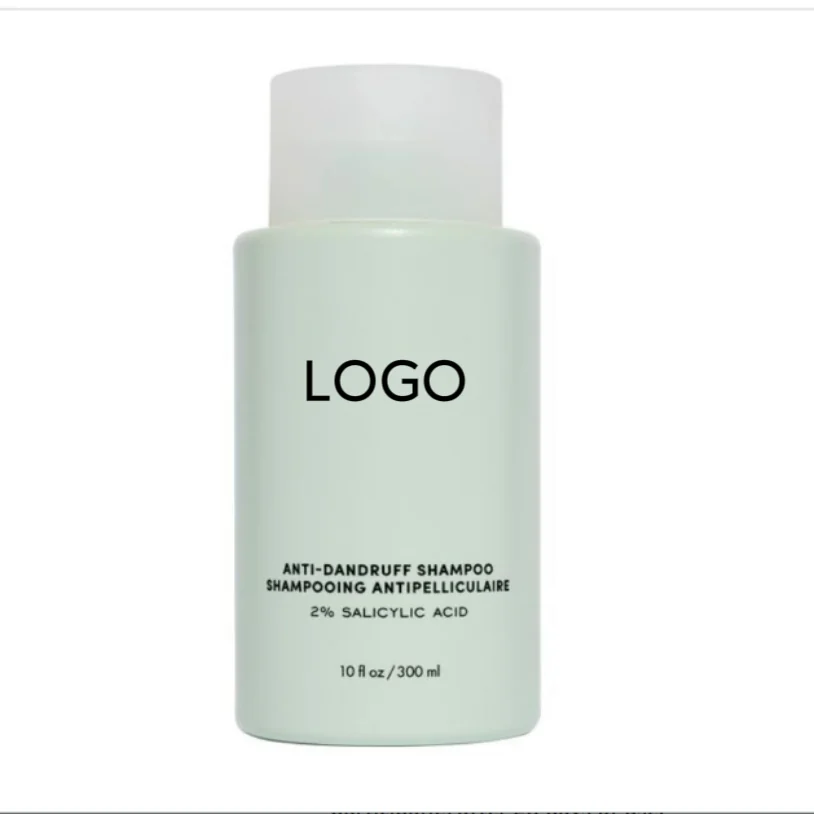
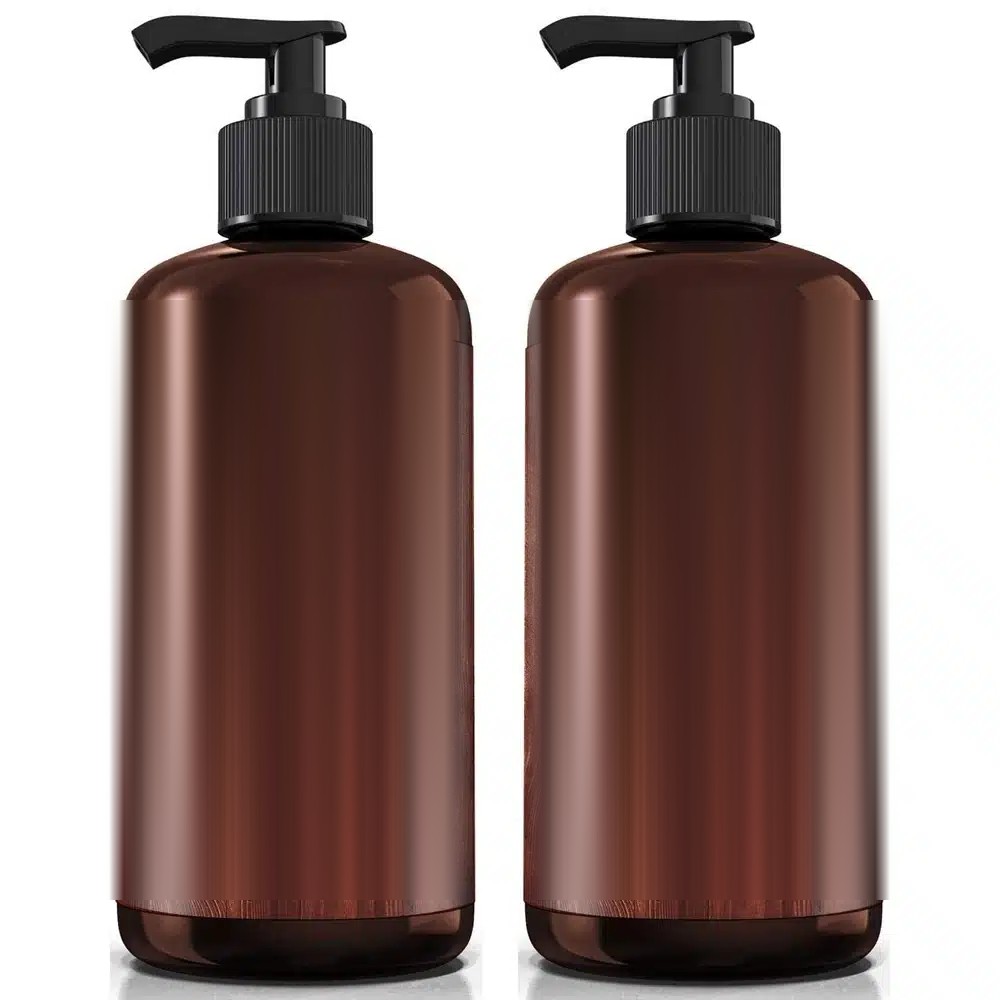
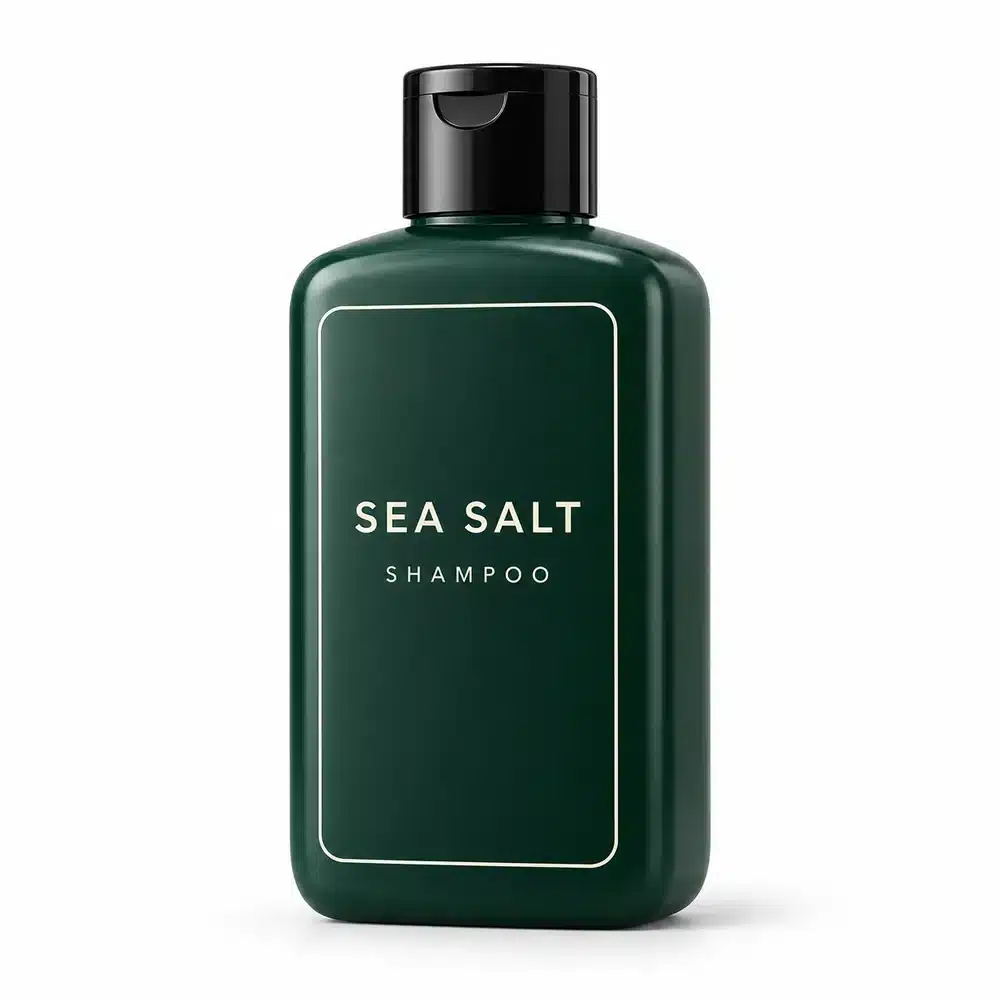
Each direction may require different evaluation priorities. Claims involving hair-loss prevention, regrowth or treatment must be assessed separately against supporting evidence and destination-market regulations; a product name alone does not substantiate such claims. Explore BUNJOIN’s private label hair care products for more information.
2. Evaluate Cleansing, Foam, Rinsing and After-Wash Feel
Compare samples using similar shampoo quantities, water temperatures and hair conditions. Record the following:
- Cleansing: Does the shampoo spread easily and deliver the intended cleansing experience?
- Foam: How quickly does it develop? Is the foam consistent and easy to distribute? More foam does not automatically mean stronger cleansing.
- Rinsing: Does it rinse away easily, without an unwanted heavy or coated feeling?
- After-wash feel: Does the scalp feel comfortable? Is the hair excessively dry, rough or difficult to comb?
- Fragrance: Evaluate the scent when opening the bottle, during washing and after rinsing. Record the approved fragrance code.
Scalp feel, softness and fragrance preference are sensory feedback, not proof of clinical benefits.
3. Measure pH and Viscosity
pH and viscosity should not be judged by touch alone. A mildly acidic direction is commonly considered in shampoo development. A pH range of 4.5–6.5 may be an initial discussion reference, but it is not a universal acceptance range for every formula. Buyers should record the measured value, test method and mutually agreed specification.
Viscosity affects the user experience and pump dispensing. A formula that is too thin may be difficult to control, while one that is too thick may not work well with some pumps. For meaningful comparisons, record the test temperature, instrument and measurement conditions, and assess results against the agreed specification.
4. Check Bottle and Pump Compatibility
Test the actual formula with the selected packaging rather than approving components from catalogue images alone. Check dispensing and dose, pump recovery, closure and seal performance, leakage, bottle-material suitability and label adhesion. A short dispensing check cannot replace longer-term compatibility evaluation. If the bottle, pump or closure changes, the relevant checks should be repeated.
Packaging decisions also affect cost, minimum order quantities and lead time, so it helps to align the sample brief with the commercial plan early. See the private label hair care quote guide for the information usually needed at quotation stage.
5. Separate Sensory Testing from Laboratory Verification
| Evaluation | Sensory testing | Laboratory / technical verification |
|---|---|---|
| Cleansing, foam, rinsing and hair feel | Suitable | Additional testing if needed |
| Fragrance preference | Suitable | Relevant documentation and safety review |
| pH and viscosity | Cannot be confirmed by feel | Instrument measurement |
| Microbiological quality and preservative efficacy | Not suitable | Appropriate laboratory testing |
| Stability and packaging compatibility | Observation only | Technical evaluation and testing |
For water-based shampoos, microbiological quality, preservative efficacy and stability deserve particular attention. The required testing scope depends on the formula, packaging, intended use and destination market. A pleasant sample experience does not automatically establish quality verification or regulatory compliance; the FDA cosmetics guidance and regulation pages are a useful starting point for checking US requirements, and our MoCRA roles and documents guide explains how responsibility is typically divided between a brand and its manufacturing partners.
6. Use a Sample Approval Card to Set the Bulk-Production Standard
| Approval item | What to record | Result |
|---|---|---|
| Product and formula | Product direction, formula code and version | ________ |
| User experience | Cleansing, foam, rinsing, scalp and hair feel | ________ |
| Fragrance | Approved fragrance code | ________ |
| Physical specifications | Compliance with agreed pH and viscosity ranges | ________ |
| Packaging | Dispensing, pump recovery, sealing, bottle and label | ________ |
| Quality verification | Applicable stability and microbiological results | ________ |
| Final decision | Approved / Revise and resubmit / Rejected | ________ |
This is a buyer-side working checklist, not a substitute for formal product specifications, laboratory reports or regulatory assessments.
Before approval, identify the exact formula version and retain a sealed, dated reference sample. Significant changes to the formula, fragrance or packaging should be reviewed and confirmed in writing. For a broader view of what to verify before committing to a supplier, see the China cosmetics supplier audit checklist and our guide to documenting sample approval before production.
7. From Sample Approval to Bulk Production
Before production, confirm the final formula, packaging, label artwork, testing requirements, order quantity and production schedule. BUNJOIN projects generally require 30–35 days for bulk production, depending on the confirmed product and packaging. Standard payment terms are 50% deposit and 50% balance payable before shipment.
BUNJOIN focuses on ODM product development and global supply-chain management. For men’s shampoo projects, we can coordinate formula selection, sample approval, packaging and production arrangements with manufacturing partners. If you are still sizing the first order, our low MOQ private label cosmetics guide explains where MOQ actually comes from.
8. Frequently Asked Questions About Private Label Shampoo Samples
Q1: What should buyers check before approving a private label shampoo sample?
Evaluate cleansing, foam, rinsing, after-wash feel, fragrance, pH, viscosity and packaging compatibility, together with applicable laboratory testing. Record the formula code, version and fragrance code, and keep a sealed dated reference sample.
Q2: What is the ideal pH for shampoo?
A mildly acidic direction is common. A range of 4.5–6.5 can be an initial reference, but the final specification depends on the formula, test method and the specification agreed with the manufacturer.
Q3: Can a sample be approved based on user testing alone?
No. Sensory testing cannot replace microbiological, preservative efficacy, stability, packaging compatibility or regulatory assessments. The required scope depends on the formula, packaging and destination market.
Q4: How can buyers check pump compatibility?
Test the actual formula in the selected package and check dispensing, dose, pump recovery, leakage, sealing and label adhesion. Run the checks again if the bottle, pump or closure changes.
Q5: How long does BUNJOIN bulk production take?
Bulk production generally takes 30–35 days, subject to the confirmed product, packaging, testing requirements and order arrangements. Standard terms are a 50% deposit and 50% balance before shipment.
Planning a Private Label Shampoo Project?
Share your product direction, target market, estimated quantity, fragrance preference and packaging requirements. Our team can discuss suitable formula and sampling options based on your brief, including whether an existing direction or an adjusted formulation fits your positioning.
Each private label shampoo project is quoted against the confirmed formula, packaging and order details, so a short written brief usually saves several rounds of sampling.
Explore BUNJOIN Men’s Hair Care Products · Contact the BUNJOIN team
Product specifications, testing requirements and market-specific compliance should be confirmed for each project. The images shown are illustrative and do not depict BUNJOIN’s own packaging or laboratory.