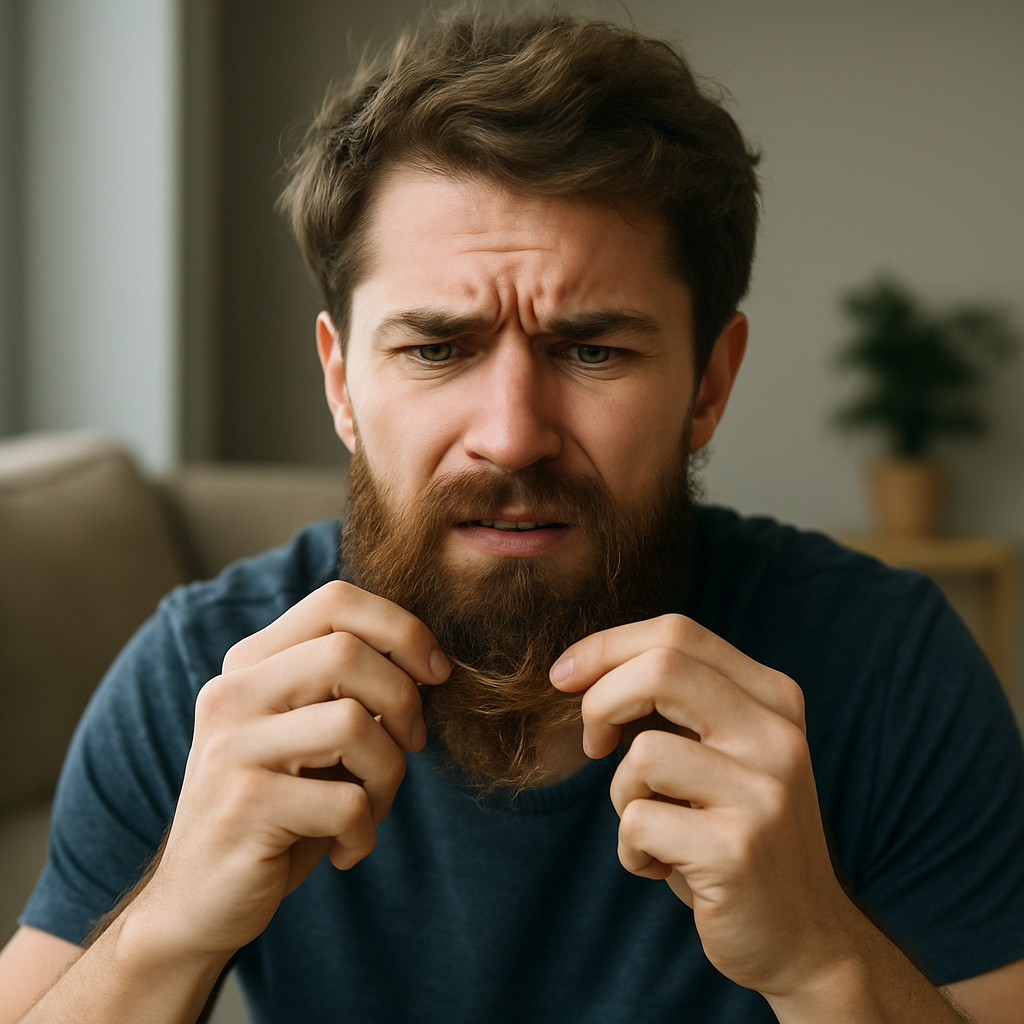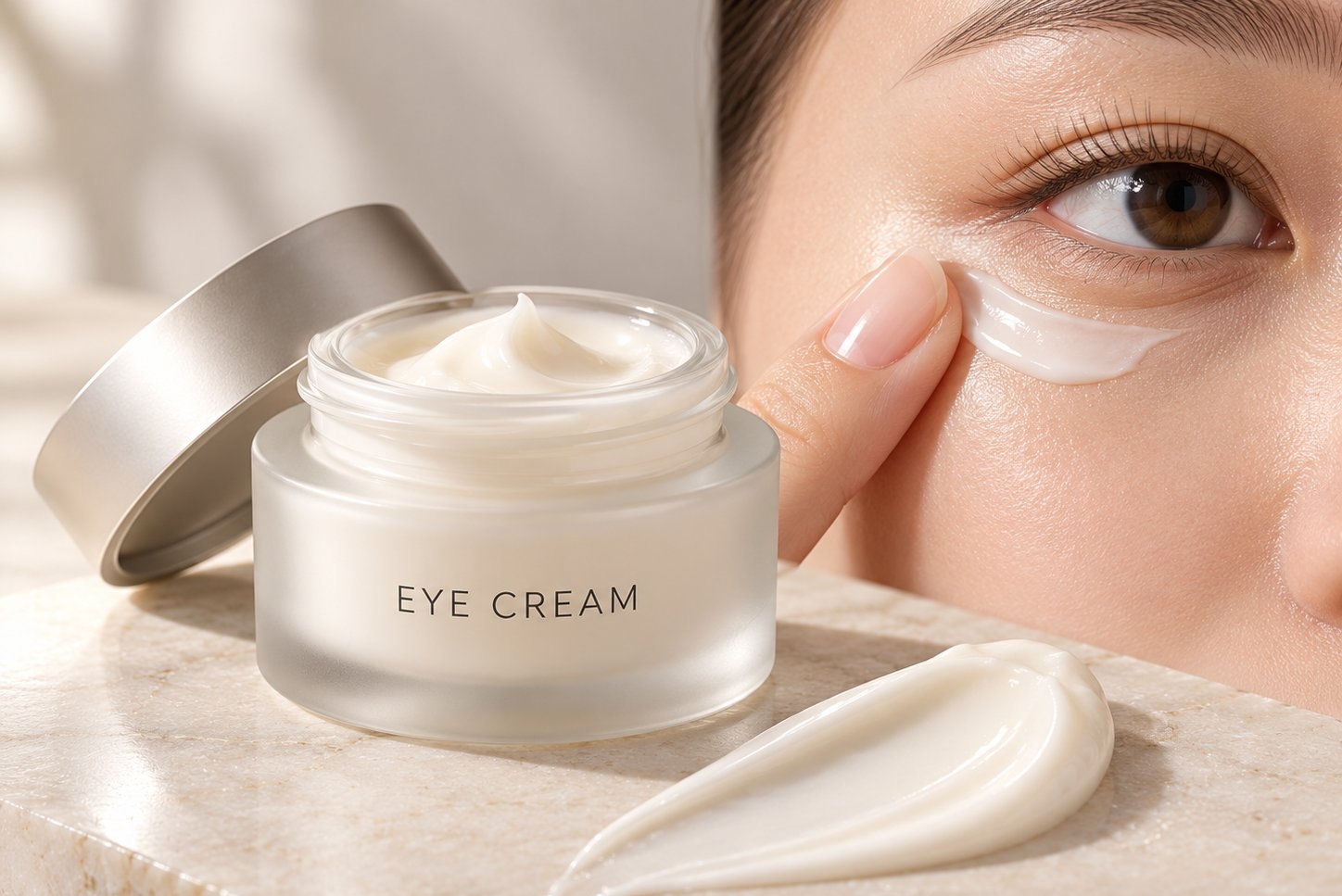
Shaving cream provides cushioning and glide during the shave. Pre-shave oil adds lubrication before the blade reaches the beard. They serve different steps: cream is the main shaving product, while oil is an optional preparation step. A grooming range can offer either a simple cream routine or a fuller oil, cream and aftercare routine.
The choice affects how the razor moves, how clearly the user sees the beard line and how the skin feels afterward. For a brand, those differences also determine the formula, dispenser and instructions. Here is how to choose and develop each format.
TL;DR
- Shaving cream lubricates and cushions during the shave; pre-shave oil protects and reduces drag underneath.
- The two formats serve different customers – oil for sensitive/close shaves, cream for everyday convenience.
- They can be used together in one routine; build a shaving range with BUNJOIN.
Shaving Cream vs. Pre-Shave Oil: What Changes?
| Feature | Shaving cream | Pre-shave oil |
|---|---|---|
| Main job | Cushion and glide during shaving | Lubrication before shaving |
| Application | Spread over the area being shaved | Use a small amount before the shaving product |
| Visibility | Opaque cream and lather cover the beard line; sheer textures leave more of it visible | A clear oil keeps the outline visible |
| Feel | A cream layer between skin and blade | A thin lubricating film |
| Range role | Main shaving-step product | An additional preparation product |
| Development priorities | Cushion, glide, lather and rinsing | Spread, slip, dose and after-feel |
Foam volume and razor glide are different characteristics. A low-foam cream can still provide a comfortable shaving layer. Likewise, adding more oil does not create the same cushion as cream. Matching the product to the routine is more useful than judging either format by how thick it looks.
What Shaving Cream Does During the Shave
Shaving cream keeps a lubricating layer between the razor and skin while the blade cuts the beard. Its texture also helps spread the product across the face. The balance between cushioning, glide and rinsing determines much of the user experience.
Lathering and low-foam creams
A lathering cream suits customers who enjoy a traditional shave and visible coverage. A low-foam cream suits customers who prefer less lather. For beard-line work, a sheer texture also keeps the outline visible. Foam level and opacity are separate choices, and BunJoin develops both alongside glide and cushioning.
Comfort after rinsing
The product also has to feel good when the shave is finished. We develop the conditioning level and rinse-off feel alongside the lather. A brand can ask for a clean rinse, a more conditioned after-feel or a texture designed to follow with an after-shave balm.
For shaving technique, the American Academy of Dermatology recommends wetting the skin and hair, using a shaving cream or gel, shaving in the direction of growth and rinsing the razor regularly. Preparation and technique work alongside the product.
What Pre-Shave Oil Adds

Pre-shave oil spreads a thin lubricating film through the beard before the main shaving step. It is useful for customers who want extra slip and a preparation ritual. Clear oil also leaves the beard line visible around the edges.
Slip without an excessive oily finish
Oil selection, blend and dose shape the feel. The development goal is easy spreading and useful lubrication without an unnecessarily heavy coating. BunJoin develops the oil blend around the after-feel the brand wants, then pairs it with a dispenser that makes a small amount easy to use.
How it works with cream
In an oil-and-cream routine, the oil goes on first and the cream follows. The oil contributes slip; the cream provides the main shaving layer. Developing them as a pair keeps the instructions straightforward and allows the fragrance and skin feel to work together.
Which Format Fits the Customer?
Start with how the customer shaves. A person removing the full beard each morning has a different priority from someone maintaining a short beard and tidying the edges.
| Routine | Useful product choice | Reason |
|---|---|---|
| Daily full-face shaving | Shaving cream | Cushioning and glide in one main shaving step |
| Traditional brush-and-lather shaving | Lathering cream or shaving soap | Supports the preparation and lathering ritual |
| Keeping the beard line visible | A sheer shaving cream or gel; clear oil as a preparation option | Less visual obstruction around the outline |
| A fuller grooming ritual | Pre-shave oil, cream and after-shave balm | Separate preparation, shaving and aftercare steps |
| Dry or sensitive-feeling skin | A moisturizing shaving cream formulated for that user | Comfortable glide and conditioning are the priorities |
For sensitive-skin positioning, comfortable glide, conditioning and the fragrance direction are the priorities, alongside shaving technique. The AAD advises choosing a cream labeled for sensitive skin when that is the concern. For brand development, we build comfort and the intended fragrance direction into the brief.
Using Oil and Cream in One Routine
- Wet the beard with warm water to soften the hair.
- Spread a small amount of pre-shave oil evenly through the area being shaved.
- Apply the shaving cream over it and shave with light pressure in the direction of hair growth.
- Rinse the blade regularly during the shave.
- Rinse the skin and apply an after-shave balm or moisturizer.
For a cream-only routine, leave out the oil step. For either routine, clear pack instructions help customers use the right amount. Our guide to using shaving cream covers the shaving step in more detail.
Solving Common Application Problems
Comfortable glide, a clean after-feel and a clear view of the beard line are useful priorities for sample development. Each leads to a different formula or packaging adjustment.
The razor drags despite plenty of foam
More foam is not the same as more lubrication. In development, we look at glide, how the shaving layer spreads and how it behaves during the routine. At home, keeping the beard wet and avoiding repeated passes over a dry patch also matters.
The routine leaves too much oil behind
Start with less oil. For a brand, this is also a dispensing question: the package needs to make a small, repeatable amount easy to apply. We develop the blend and dispenser together around the intended after-feel.
The beard line is hard to see
Use a sheer shaving cream or gel when visibility is important. Pre-shave oil provides a clear preparation step, but an opaque lather applied over it will still cover the outline. The complete routine determines what the user sees.
Can oil replace the cream?
For a conventional pre-shave oil, keep cream or gel as the main shaving layer. A shaving oil designed for use on its own is a separate product brief. BunJoin develops the product around the intended routine so the name and instructions explain its job clearly.
Developing a Shaving Product for Your Brand

You can begin with a benchmark or describe the shave you want to offer. Tell us whether the customer uses a brush, prefers low foam, shaves the full face or maintains a beard line. Those details help us choose the texture and packaging.
- For cream: choose the lather level, cushioning, glide and rinse-off feel.
- For pre-shave oil: choose the spread, lubrication, residual feel and dispensing format.
- For the range: choose a shared fragrance or distinct scents, matching packaging and an easy-to-follow routine.
Sample work includes the individual products and, for a paired range, the combined oil-and-cream routine. Packaging work covers the fill size, dispensing and decoration. Formula feedback, stability work and packaging compatibility are part of development, so the product is prepared for production as well as the first use.
Build a Shaving Range with BunJoin
BunJoin offers men’s shaving cream, pre-shave oil, shaving soap and after-shave balm. Start with one shaving product or develop the preparation, shave and aftercare range together. Our shave gel and cream range is a starting point for the main shaving step.

We handle formula and fragrance development, packaging selection, production coordination, quality control and logistics. Starting quantities are approximately 1,000–2,000 pieces for suitable projects, with the project MOQ based on formula, packaging and decoration.
Request shaving-product samples and a quotation. Send the product type, benchmark, target market, packaging and quantity per SKU. We will recommend a development plan. The BunJoin ODM process explains the project stages.
Frequently Asked Questions
Is pre-shave cream the same as shaving cream?
No. Pre-shave cream is a preparation product used before shaving. Shaving cream is the main product used during the shave. This article compares that shaving cream with pre-shave oil.
Which is better for sensitive skin?
Start with a moisturizing shaving cream formulated for sensitive skin. Pre-shave oil adds a separate lubrication step. For a sensitive-skin range, BunJoin develops the cream’s glide, conditioning and fragrance direction around that customer.
Can I use shaving cream with an electric razor?
Yes, with a wet-shaving device whose instructions allow cream or gel. Keep dry-only electric razors dry.
Do I need both products?
No. Cream can be the main shaving product on its own. Add oil if you want a separate preparation step and additional slip.
Should oil, cream and balm share a fragrance?
They can. A shared fragrance makes the range feel coordinated. BunJoin develops it in each product base; the customer can then use the products together without competing scents.
Frequently asked questions
What is the typical MOQ for private label shaving products?
Cream, soap and pre-shave oil commonly start at 1,000–3,000 units per SKU.
Can formula and packaging be customized?
Yes — we tune cushion, glide, fragrance and packaging, and test real-shave performance before approval.
How long does shaving product production take?
Samples 1–3 weeks, production 3–6 weeks after approval.